

Cart
0
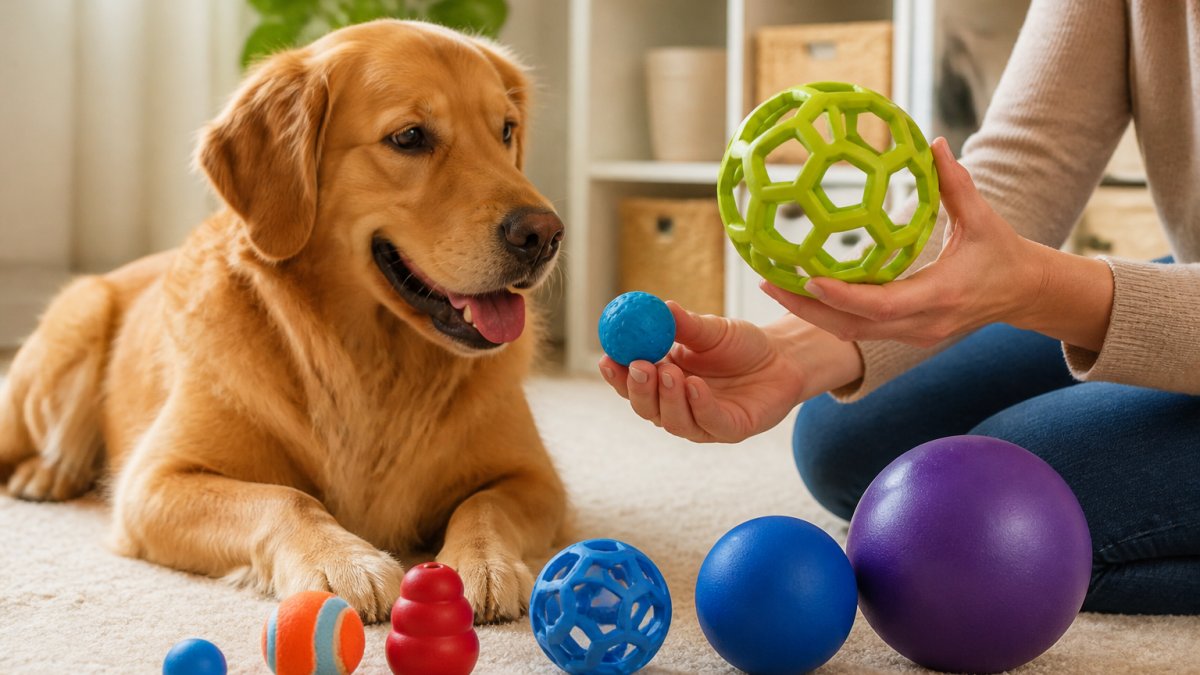
Table of Contents
- Why Dog Toy Size Matters for Safety
- Step 1: Measure Your Dog's Mouth and Jaw Capacity
- Step 2: Evaluate Your Dog's Chew Strength and Play Style
- Step 3: Match Toy Size to Weight and Breed Development
- Recognizing Dog Toy Choking Hazard Signs
- Durable Dog Toys for Aggressive Chewers
- Dog Toy Safety Inspection Checklist
- Preventing Ingestion Risks and Obstruction
- Frequently Asked Questions
Last Updated: October 1, 2026
Why Dog Toy Size Matters for Safety
Learning how to choose dog toy size for safety isn't just about comfort, it's about preventing serious injury. A toy that's too small becomes a choking hazard. A toy that's too large frustrates your dog and goes unused. The wrong size can lead to intestinal obstruction, a veterinary emergency that requires surgery.
Dog toy safety starts with understanding your individual dog. Every dog has a unique mouth size, chew strength, and play style. What works for a neighbor's dog might be dangerous for yours. We help pet parents navigate these choices by breaking down the measurement process into simple, actionable steps.
The stakes are real. Toys that don't match your dog's physical capabilities create risk. This guide walks you through how to choose dog toy size for safety so your dog can play without danger.
Step 1: Measure Your Dog's Mouth and Jaw Capacity
The first step in selecting a safe toy is understanding your dog's mouth dimensions. You can't guess this, you need to measure. This section walks you through two complementary measurement methods that work together to determine the minimum and maximum safe toy sizes for your dog.
The Muzzle Width Measurement
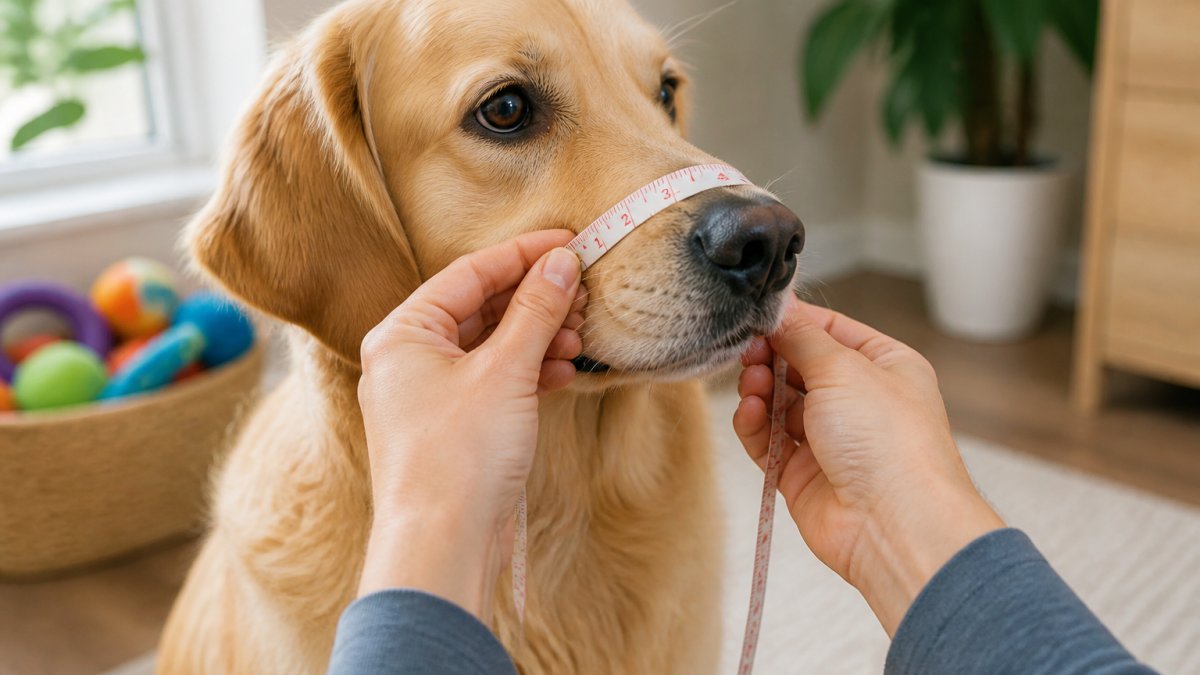
Muzzle width is the distance across your dog's snout at its widest point. This measurement determines the minimum safe toy diameter.
Use a soft measuring tape or flexible ruler. Gently wrap it around your dog's muzzle at the level where the nose meets the face, the widest part of the snout. Record this number in inches. A toy should never be smaller than this measurement; if it fits entirely inside your dog's mouth, it's a choking risk.
For example:
- A Chihuahua might measure 1.5 inches across the muzzle
- A Cocker Spaniel typically measures 2-2.5 inches
- A German Shepherd could measure 3-3.5 inches
- A Great Dane might measure 4-4.5 inches
These numbers directly tell you the smallest safe toy diameter for each dog. A toy smaller than your dog's muzzle width can be inhaled or swallowed whole.
The Mouth-Opening Test (The Critical Safety Check)
Muzzle width alone isn't enough. Your dog's jaw opens to a specific angle and depth. A toy can slip down the throat if your dog can open wide enough to swallow it, even if the toy is larger than the muzzle width.
Perform this test:
- Observe natural yawning. Let your dog yawn naturally during play or rest. Watch how wide their mouth opens at maximum.
- Measure the opening. Using your soft measuring tape, gently measure from the top front teeth to the bottom front teeth when your dog yawns. Record this vertical measurement in inches.
- Test against candidate toys. For any toy you're considering, measure its smallest diameter (the narrowest point if it's irregular, or the full diameter if it's spherical). The toy's smallest dimension should be larger than your dog's mouth opening measurement.
Example: If your dog's mouth opens 2 inches vertically, a toy with a 1.8-inch diameter could potentially be swallowed. A toy with a 2.5-inch diameter is safer because it cannot fit past the teeth.
Dogs with longer snouts and larger jaw muscles can open wider than flat-faced breeds. This affects which toys work for your specific dog. A Boxer or Bulldog may have a 2.5-inch muzzle width but only a 1.8-inch mouth opening, while a Labrador Retriever with a similar muzzle width might open to 2.5 inches or more.
Toy Diameter Measurement Protocol
Not all toys are spherical. Irregular shapes (ropes, bones, rings) require careful measurement.
- For spheres and balls: Measure the full diameter straight across the center.
- For irregular shapes: Measure the smallest dimension that could pass through your dog's mouth. If it's a rope toy, measure the thickness of the rope at its narrowest point. If it's a bone-shaped toy, measure the narrowest section of the handle.
- For toys with appendages: Check whether ears, tails, or other protruding parts could be chewed off and swallowed separately. These become independent choking hazards.
Pro Tip
Create a measurement reference card: Write down your dog's muzzle width and mouth opening on a card you keep in your wallet or phone. When shopping for toys, you can quickly compare a toy's dimensions against these numbers before purchase.
Age-Related Changes in Mouth Dimensions
Puppies' mouths grow rapidly. A toy that was safe at three months may become a choking hazard at six months as the puppy's mouth grows and their ability to swallow larger objects increases.
Remeasure your puppy's muzzle width and mouth opening every 4-6 weeks during the first year. Adjust toy sizes as their mouth grows. This is especially important for large-breed puppies, whose growth is rapid and dramatic.
Adult dogs' mouth dimensions remain relatively stable, but it's worth remeasuring annually as a safety check, particularly if your dog has experienced dental work or tooth loss, which can change how they hold and manipulate toys.
Step 2: Evaluate Your Dog's Chew Strength and Play Style
Not all dogs chew the same way. Some dogs are gentle players. Others are destructive chewers who tear toys apart in minutes. Matching toy durability to your dog's chew intensity prevents pieces from breaking off and becoming ingestion risks.
Identifying Destructive Chewer Behavior
Watch how your dog plays. Does your dog grab a toy and shake it hard? Does your dog gnaw on the same spot repeatedly? Does your dog try to tear seams apart? These are signs of a destructive chewer.
Destructive chewers need durable materials that resist tearing. Soft plush toys designed for gentle players will fail immediately with an aggressive chewer. The broken pieces become obstruction hazards.
Ask yourself: Has this dog destroyed toys in the past? How quickly? What materials held up longest? Your past experience is the best predictor of what will work now.
Matching Toy Durability to Chew Intensity
Gentle chewers can enjoy soft toys, rope toys, and plush options. These dogs mouth toys without applying serious force.
Moderate chewers need toys with reinforced seams and thicker rubber. They apply steady pressure but don't destroy systematically.
Aggressive chewers require heavy-duty rubber, nylon, or specialized materials designed for power chewing.
Step 3: Match Toy Size to Weight and Breed Development
Weight-based recommendations provide a starting framework, but they're not the whole story. A 30-pound dog with a small mouth needs different toys than a 30-pound dog with a large mouth.
Puppies and Age-Appropriate Toy Selection
Puppies have smaller mouths and developing teeth. They also explore the world by chewing and swallowing. Puppies need smaller toys than adult dogs of the same breed will eventually need.
Weight-Based Recommendations
Use your dog's current weight as a reference point, not a rule.
Recognizing Dog Toy Choking Hazard Signs
A choking hazard isn't always obvious. Some toys look safe but pose real risks.
Durable Dog Toys for Aggressive Chewers
Aggressive chewers need toys built to last. Standard toys fail too quickly and create safety risks.
Material Safety and Non-Toxic Options
The best toys for aggressive chewers use non-toxic rubber, natural rubber, or reinforced nylon. These materials resist tearing and don't break into small pieces.
Testing Durability Before Purchase
Before buying a toy for an aggressive chewer, research its track record. Read reviews from other owners of powerful chewers. Ask your veterinarian which toys they recommend for dogs like yours.
Dog Toy Safety Inspection Checklist
Regular inspection prevents injuries. Check your dog's toys weekly.
Look for these warning signs:
- Tears, holes, or seams coming apart
- Pieces missing or broken off
- Loose threads or stuffing exposed
- Cracks in rubber or plastic
- Squeakers or plastic parts coming loose
- Discoloration or signs of mold
If you find any of these issues, remove the toy immediately. Don't wait for your dog to swallow a piece.
Preventing Ingestion Risks and Obstruction
An obstruction happens when your dog swallows something that blocks the digestive tract. This is a surgical emergency. Prevention is far better than treatment.
Supervision and Interactive Play
Never leave your dog alone with a toy they're actively destroying. Supervision lets you catch problems before they become emergencies.
Replacement Cycles and Wear Monitoring
Establish a replacement schedule. Most toys last 2-8 weeks depending on your dog's chew strength and the toy's quality. Aggressive chewers go through toys faster.
Frequently Asked Questions
How do I know if a dog toy is a choking hazard?
A toy is a choking hazard if it's smaller than your dog's mouth, can be swallowed whole, or breaks into small pieces during play. Check if the toy fits through a toilet paper tube, if it does, it's too small. Look for loose parts, squeakers that can detach, and signs of cracking or peeling. Supervise play with new toys and inspect them regularly for wear and tear.
Does my dog's weight determine the toy size I should buy?
Weight is one factor, but mouth size and chew strength matter more. A 30-pound dog with a small mouth needs a different toy than a 30-pound dog with a large mouth. Use weight as a starting point: small breeds under 15 pounds need toys 2-3 inches, medium breeds 15-50 pounds need 3-5 inches, and large breeds over 50 pounds need 5-7 inches. Always measure your individual dog's mouth to confirm.
What is the safest type of toy for an aggressive chewer?
The safest toys for aggressive chewers are made from durable, non-toxic rubber or nylon that resists breaking apart. Avoid soft toys, plush toys, and anything with small detachable parts. Look for toys designed specifically for power chewers, and choose ones without squeakers or stuffing that can be ingested. Rotate toys regularly to prevent boredom and destructive chewing, and always supervise play with new toys.
How often should I inspect my dog's toys for wear and tear?
Inspect toys at least weekly, and more frequently if your dog is an aggressive chewer. Replace any toy showing signs of cracking, peeling, loose seams, or missing pieces immediately. Remove toys that your dog has punctured or torn, as they pose ingestion and obstruction risks. Create a replacement cycle based on your dog's chew strength, aggressive chewers may need new toys every 2-4 weeks, while gentle chewers can use toys for months.

