

Cart
0
Table of Contents
- Why Premium Pet Beds Last Longer Than Budget Options
- Durable Dog Bed Materials That Stand Up to Daily Use
- Structural Integrity and Construction Quality
- How Often to Replace Dog Bed Based on Wear Patterns
- Pet Bed Maintenance Tips for Maximum Longevity
- Health and Comfort Benefits of Long-Lasting Beds
- The Real Cost of Quality: Value Over Time
- Conclusion
Last Updated: August 11, 2026
Why Premium Pet Beds Last Longer Than Budget Options
When you're shopping for your pet's next bed, the price difference between premium and budget options can feel shocking. A quality bed from Pawsibly Everything might cost three times what you'd pay for a basic model elsewhere. But here's what matters: that premium bed will likely outlast the budget version by years, not months.

The reason isn't marketing. It's material science and construction quality. Premium pet beds use high-density memory foam, tear-resistant fabrics, and reinforced stitching designed to handle years of daily use. Budget beds rely on cheaper polyfill that compresses, flattens, and loses its shape within months. Your pet sinks into a worn-out budget bed. A quality bed maintains its support structure and comfort for years.
This guide from Pawsibly Everything breaks down exactly why premium pet beds last longer, what materials actually matter, and how to get maximum lifespan from whatever bed you choose. We'll cover the specific durability factors that separate beds that last from those that fail, plus practical maintenance routines that extend longevity even further.
Durable Dog Bed Materials That Stand Up to Daily Use
The material composition of a pet bed determines almost everything about how long it survives. Not all fabrics are created equal, and not all foam structures hold up the same way under the stress of daily use.
High-Density Foam vs. Standard Polyfill
High-density memory foam is engineered to compress and recover repeatedly without permanent deformation. Standard polyfill, by contrast, breaks down under weight and use. After a few months, polyfill beds develop permanent indentations where your pet sleeps, losing cushioning and support.
High-density foam maintains structural integrity across thousands of compression cycles. This is why premium beds keep their shape year after year while budget beds sag within weeks. The foam density rating, typically measured in pounds per cubic foot, directly correlates with durability. A 5-pound density foam will outlast a 2-pound density foam by a significant margin.
The difference shows up quickly in practice. A dog that sleeps eight hours daily will compress a budget bed's polyfill substantially within 30 days. The same dog on a high-density foam bed will see minimal change after a full year. Over time, this adds up to the difference between replacing a bed annually and keeping it for three to five years.
Fabric Durability and Tear Resistance
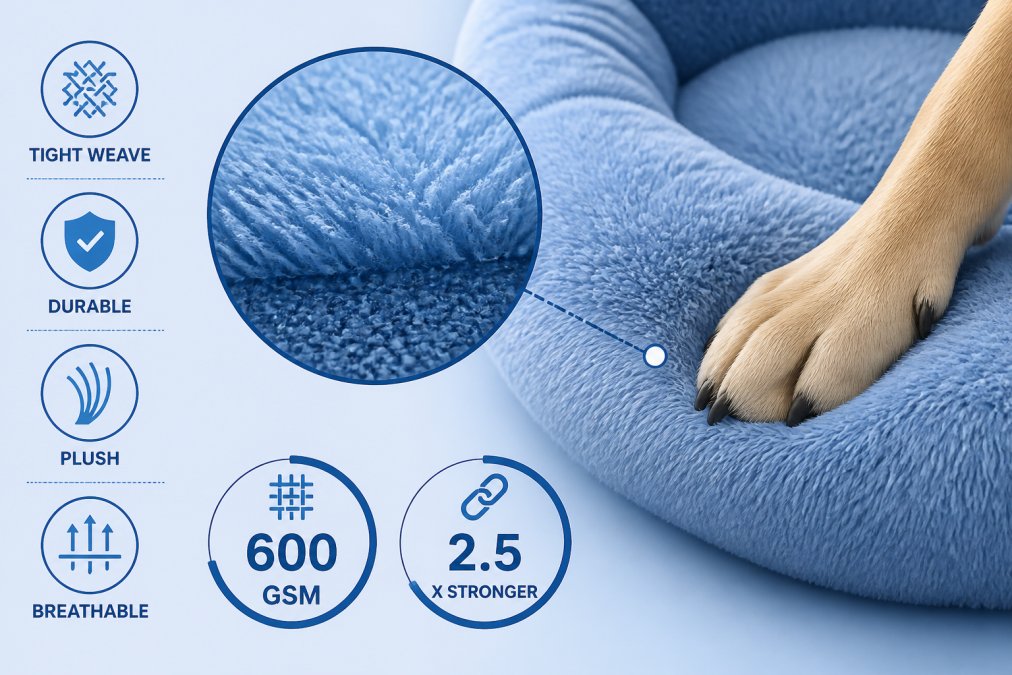
The outer fabric matters as much as what's inside. Premium pet beds use high-denier fabrics, fabrics with tightly woven fibers that resist tearing and puncturing. Low-denier fabrics tear easily when claws catch them or when pets dig at the bed surface.
Look for fabrics labeled as tear-resistant or reinforced. These typically have a denier rating above 600, meaning the fibers are thick and densely packed. Pawsibly Everything's premium beds feature plush fabrics engineered for durability, designed to withstand the daily wear that comes with active pets.
Washable covers matter too. A removable, washable cover extends the bed's life by protecting the core materials from direct contact with dirt, moisture, and bacterial accumulation. When the cover wears out, you can replace it without discarding the entire bed. Budget beds often have non-removable covers, meaning once they degrade, the bed is done.
Structural Integrity and Construction Quality
A bed's longevity depends on how its components are assembled, not just what those components are. Poor construction will fail even if the materials are decent.
Premium beds use heavy-duty stitching, reinforced seams, and multi-layer construction. The stitching pattern matters, double stitching lasts longer than single stitching. Seams at stress points (corners, edges, where the cover meets the base) receive extra reinforcement. The base layer often includes a supportive structure that prevents the bed from flattening completely, even after years of use.
Budget beds cut corners on assembly. Single stitching fails faster. Seams aren't reinforced at stress points. The base might be thin or absent entirely, meaning the bed collapses from the bottom up. A bed without proper base support will sag noticeably within six months of regular use.
The bolster support, the raised edges that frame many beds, also indicates construction quality. Premium bolsters maintain their shape and firmness. Budget bolsters flatten quickly, losing the support structure that many pets prefer. When the bolster collapses, the bed becomes less comfortable and less functional.
How Often to Replace Dog Bed Based on Wear Patterns
The replacement timeline depends on several factors: your pet's weight, activity level, how many pets share the bed, and the original bed quality. Understanding these variables helps you know when replacement is actually necessary.
A premium bed with proper care can last three to five years for a single dog of average weight and activity level. The same dog on a budget bed might need replacement within 12 to 18 months. Heavier dogs compress beds faster. Multiple pets sharing one bed accelerates wear. High-energy dogs that dig and rearrange their bedding create more stress on seams and fabric.
Signs Your Pet Bed Needs Replacement
Several visible signs indicate that a bed has reached the end of its useful life. Permanent indentations that don't recover after your pet leaves the bed suggest the foam has lost resilience. The bed no longer provides proper support or comfort. When indentations become visible, replacement is usually near.
Visible tearing or holes in the fabric allow stuffing to escape and bacteria to accumulate inside. Small tears can be repaired temporarily, but widespread damage means the bed's integrity is compromised. Moisture and allergens will penetrate the core materials.
Odor that persists after cleaning indicates bacterial or mold accumulation inside the bed. This happens when moisture reaches the foam core and the bed doesn't dry completely. Once this occurs, the bed is no longer hygienic and should be replaced.
Loss of bolster support is another clear sign. If the raised edges have flattened completely and no longer provide structure, the bed has lost a key functional feature. Some pets specifically seek out bolsters for security and comfort, so a collapsed bolster means the bed isn't meeting your pet's needs anymore.
Pet Bed Maintenance Tips for Maximum Longevity
How you care for a bed directly impacts how long it lasts. Even a premium bed will degrade faster with poor maintenance. Simple routines preserve both the materials and the structural integrity.
Cleaning Routines That Preserve Material Quality
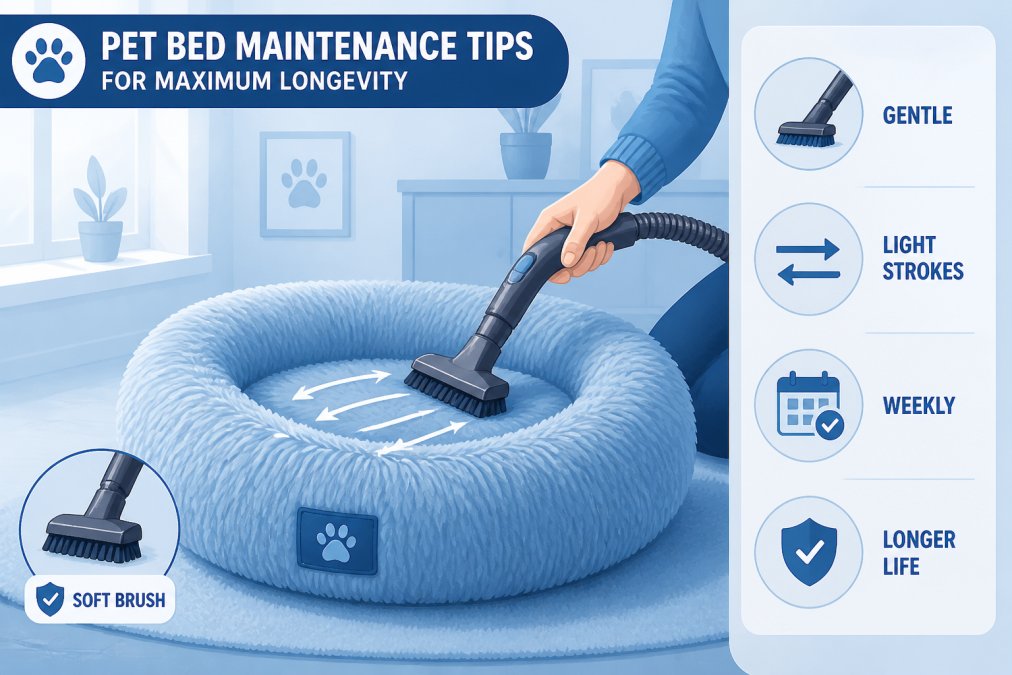
Regular vacuuming removes dirt, hair, and debris that accumulate on the surface. Use a soft brush attachment to avoid damaging the fabric. Vacuuming weekly for active pets prevents dirt from embedding into the fibers and reduces allergen buildup.
Spot-clean stains immediately rather than letting them set. Use mild soap and cool water on affected areas. Avoid harsh chemicals that can degrade fabric or irritate your pet's skin. Let the bed air dry completely before your pet uses it again. Moisture trapped inside the bed promotes mold growth and odor.
For removable covers, wash them according to the manufacturer's instructions, typically in cool water on a gentle cycle. Avoid high heat in the dryer, which can damage elastic and synthetic fabrics. Air drying is gentler on materials and extends cover lifespan. Wash covers every two to four weeks depending on use and your pet's hygiene needs.
Storage and Seasonal Care
If you rotate seasonal beds, store off-season beds in a dry, cool location. Use breathable storage bags rather than plastic, which traps moisture. Ensure the bed is completely dry before storing to prevent mold. Check stored beds periodically to catch any moisture issues early.
During humid seasons, ensure your pet's bed has adequate airflow around it. Moisture-wicking fabrics help, but air circulation is equally important. If your area experiences high humidity, consider placing the bed in a well-ventilated spot rather than a corner where air stagnates.
In winter, some pets prefer warmer beds. Premium beds with plush fabrics and good insulation maintain warmth better than thin budget options. The structural integrity of a quality bed also means it won't compress into a cold, flat surface the way budget beds do.
Health and Comfort Benefits of Long-Lasting Beds
A bed that maintains its structure provides better orthopedic support than one that has flattened and sagged. Older pets with joint issues especially benefit from consistent, firm support. A compressed budget bed offers minimal cushioning and no support structure. A premium bed that holds its shape for years provides the pressure relief and joint support that aging pets need.
Durability also means consistency. Your pet gets the same comfort level day after day, month after month. This stability reduces stress and supports better sleep. A bed that changes shape and loses support creates micro-stresses on joints and muscles every time your pet lies down.
Hygienic durability matters too. A bed that resists moisture penetration and bacterial accumulation supports your pet's health. Budget beds that absorb moisture and trap allergens create an environment where bacteria and mold thrive. Over time, this contributes to skin issues and respiratory problems. A bed with washable covers and moisture-resistant materials stays cleaner and healthier throughout its lifespan.
The Real Cost of Quality: Value Over Time
The upfront price difference between a premium bed and a budget option can seem significant. A premium bed from Pawsibly Everything might cost $80 to $100, while a budget bed costs $20 to $30. But the real cost calculation spans years, not the initial purchase.
If you replace a budget bed annually at $25 per year, you'll spend $75 over three years. A premium bed at $90 lasts three years, costing $30 per year. Over five years, the math becomes even clearer: five budget beds cost $125 total, while one premium bed costs $90 and lasts the entire period.
Beyond raw cost, there's the inconvenience factor. Replacing a bed means shopping, waiting for delivery, and helping your pet adjust to new bedding. Premium beds reduce this hassle significantly. You buy once and enjoy years of reliable performance.
Quality also affects your pet's wellbeing. A bed that maintains its support structure protects joints and muscles. A bed that resists moisture and bacteria supports skin and respiratory health. These health benefits can reduce veterinary costs over time, especially for older pets or those with existing health concerns.
Pawsibly Everything's premium bed options, like the Pet Long Plush Warm Bed at $38.89 or the Pet Sofa Bed at $98.32, represent this value proposition. These beds use durable materials and construction methods designed to outlast budget alternatives by years.


Pro Tip
The best time to invest in a premium bed is when you first get a pet. A bed that lasts five years from day one costs far less than replacing budget beds repeatedly. Calculate your actual cost per year of use, not just the sticker price.
When you choose a premium pet bed, you're not paying for a brand name or fancy marketing. You're paying for materials engineered to last, construction designed to handle years of daily use, and support structures that maintain their integrity. Budget beds fail because they use cheaper materials that degrade quickly. Premium beds last because they're built to withstand the stress of daily use.
The real cost of quality becomes obvious over time. A premium bed that lasts five years costs less per year than replacing budget beds annually. Your pet also gets consistent comfort and support throughout those years. At Pawsibly Everything, we focus on premium materials and construction quality specifically because we know that durability matters, for your pet's comfort, your wallet, and the convenience of not constantly replacing worn-out beds.
Start with a bed built to last. Your pet will sleep better, and you'll save money in the long run.
Frequently Asked Questions
How long do premium pet beds typically last?
Premium pet beds made from high-density foam and quality fabrics typically last 3-5 years with proper care, while budget beds often show significant wear within 12-18 months. The lifespan depends on your pet's weight, activity level, and how frequently the bed is used. Heavier pets and high-energy dogs may experience faster breakdown, while lighter pets on beds with excellent structural integrity can extend durability to 5+ years.
What durable dog bed materials should I look for?
Look for high-density memory foam (at least 2.5 pounds per cubic foot) combined with tear-resistant, washable fabrics like plush cotton blends or arctic fleece. Quality beds feature heavy-duty stitching, non-toxic materials with OEKO-TEX certification, and moisture-wicking liners that prevent bacterial accumulation. Avoid standard polyfill, which compresses quickly and loses cushion loft. Premium options like the Pet Long Plush Warm Bed use durable PP cotton and arctic fleece designed to resist daily wear.
How often should I replace my dog's bed?
Replace your dog's bed when you notice permanent indentation that doesn't bounce back, sagging that affects orthopedic support, or visible tears and seam separation. For premium beds with proper maintenance, replacement typically occurs every 3-5 years. Budget beds may need replacement annually. Weight-class matters: dogs over 75 pounds experience faster structural degradation, potentially requiring replacement every 2-3 years even with quality construction.
What pet bed maintenance tips help extend durability?
Wash removable covers monthly in cold water and air dry to preserve fabric integrity. Vacuum the bed weekly to reduce allergen buildup and bacterial accumulation. Rotate the bed occasionally to distribute wear evenly. Spot-clean stains immediately to prevent material damage. Store seasonal beds in cool, dry conditions away from direct sunlight. Keep the bed on a non-slip surface to prevent friction damage. These routines preserve resilience and structural integrity, extending your bed's lifespan significantly.
This article was written using GrandRanker

