

Cart
0
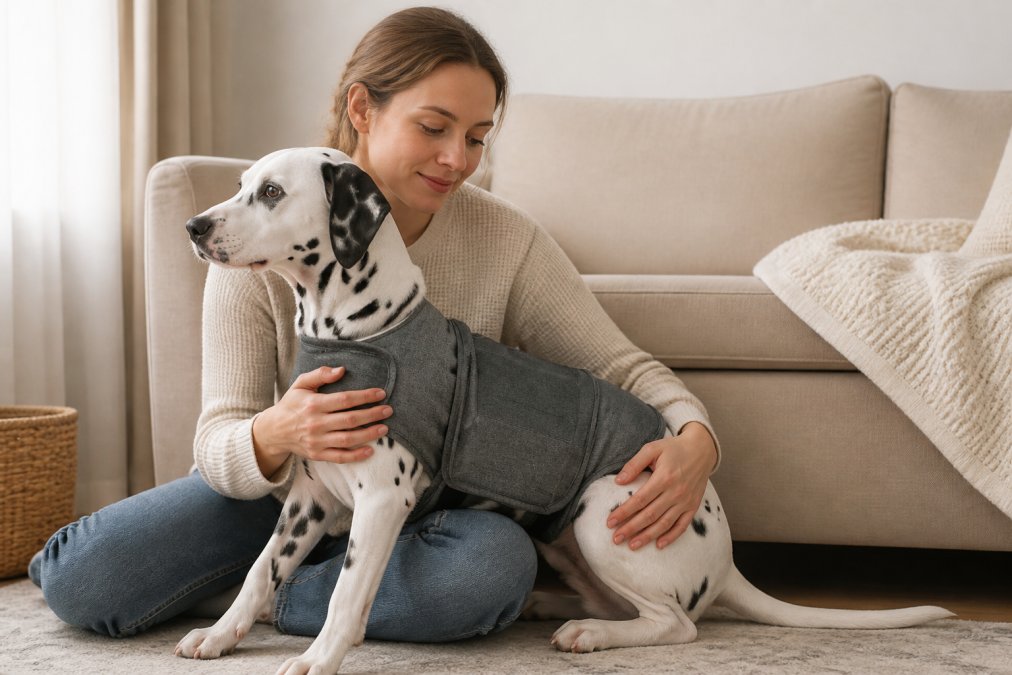
Table of Contents
- Recognizing Signs of Anxiety in Dogs and Cats
- Understanding the Root Causes of Pet Anxiety
- How to Create a Safe Space for Pets
- Behavioral Modification Techniques for Anxious Pets
- Natural Remedies for Pet Anxiety
- Building Routine and Consistency
- Exercise and Mental Stimulation for Anxiety Relief
- When to Consult Your Veterinarian
Last Updated: August 26, 2026
Recognizing Signs of Anxiety in Dogs and Cats
Anxiety in pets manifests through behavioral and physical signals that owners often miss until the problem becomes severe. Understanding these warning signs is your first step toward managing pet anxiety effectively.
Common behavioral indicators
Anxious pets display recognizable behavioral changes. Your dog might pace continuously, whine excessively, or follow you from room to room. Cats often hide in closets or under furniture, refuse to eat, or become unusually vocal. Destructive behavior, chewing furniture, scratching walls, or having accidents indoors despite being housetrained, frequently signals anxiety rather than disobedience.
Some pets develop repetitive behaviors like excessive licking, tail chasing, or circling before lying down. Others become clingy and refuse to let you out of their sight. A previously social pet might suddenly withdraw from family members or become aggressive when approached.
Physical symptoms to watch for
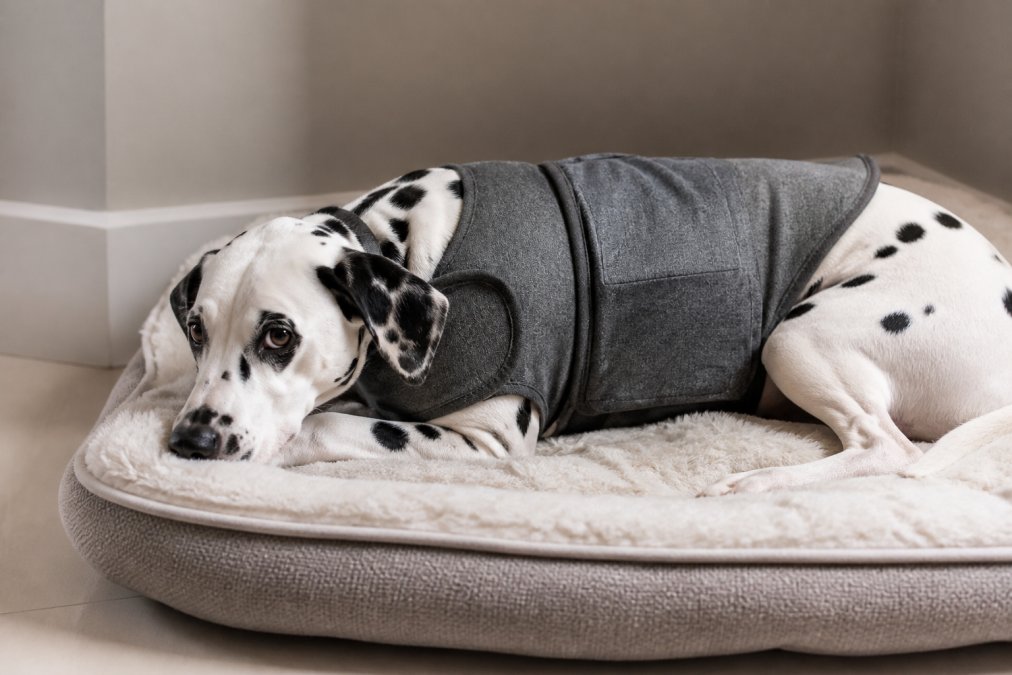
Physical symptoms accompany behavioral changes. Panting, drooling, and excessive shedding occur during anxious episodes. Your pet's pupils may dilate, and their body may stiffen or shake. Some anxious pets develop digestive issues, diarrhea or vomiting, particularly before stressful events.
Watch for changes in sleep patterns and appetite loss. Anxious pets often sleep poorly and ignore their favorite food. Over time, chronic anxiety can lead to weight loss and a dull coat. Recognizing these signs early allows intervention before anxiety escalates.
Pro Tip
Track your pet's anxiety episodes in a journal. Note the time, triggers, duration, and symptoms. This record helps identify patterns and proves invaluable when discussing anxiety management with your veterinarian.
Understanding the Root Causes of Pet Anxiety
Pet anxiety doesn't develop randomly. Specific triggers and underlying factors create the conditions where anxiety thrives. Identifying what causes your individual pet's anxiety is essential for effective management.
Common anxiety triggers include thunderstorms, fireworks, loud noises, separation from owners, changes in routine, new environments, unfamiliar people or animals, and past trauma. Some pets develop noise aversion to vacuum cleaners or doorbell sounds. Others struggle with separation anxiety, panicking when left alone for even short periods.
Breed predisposition plays a role. Certain breeds show higher anxiety tendencies than others. A nervous temperament inherited from parents, combined with insufficient early socialization, creates vulnerability to anxiety later in life.
Environmental factors matter significantly. A chaotic household with constant activity stresses sensitive pets. Inconsistent routines, unpredictable owner schedules, and lack of safe spaces contribute to baseline anxiety. Post-pandemic anxiety transitions affect many pets whose owners suddenly returned to offices after months at home.
Age influences anxiety expression. Puppies and kittens experiencing their first thunderstorm may develop lasting phobias. Senior pets sometimes develop anxiety as cognitive function declines. Past trauma from rescue backgrounds or frightening incidents creates lasting anxiety patterns.
Watch Out
Ignoring early anxiety signs allows the condition to worsen. Untreated anxiety often leads to destructive behavior, aggression, and serious health issues. Early intervention is always easier and more effective than addressing chronic anxiety.
How to Create a Safe Space for Pets
A dedicated safe space reduces anxiety by providing predictability and control. Your anxious pet needs an area where they feel protected from triggers and can retreat when overwhelmed.
Crate training and designated retreat areas
Crate training, done correctly, creates a den-like sanctuary. Dogs naturally seek enclosed spaces during stress. A properly conditioned crate becomes your pet's safe haven, not a punishment tool. Start with the crate door open, place treats inside, and let your pet explore freely. Gradually increase time inside with the door closed while you're present.
The crate should be appropriately sized, large enough for your pet to stand, turn around, and lie down comfortably, but not so large they feel exposed. Line it with comfortable bedding. Many pets find the Calming Fluffy Flower Pet Bed or Pet Calming Donut Bed from Pawsibly Everything particularly soothing, as their enclosed design mimics a den environment while providing plush comfort.

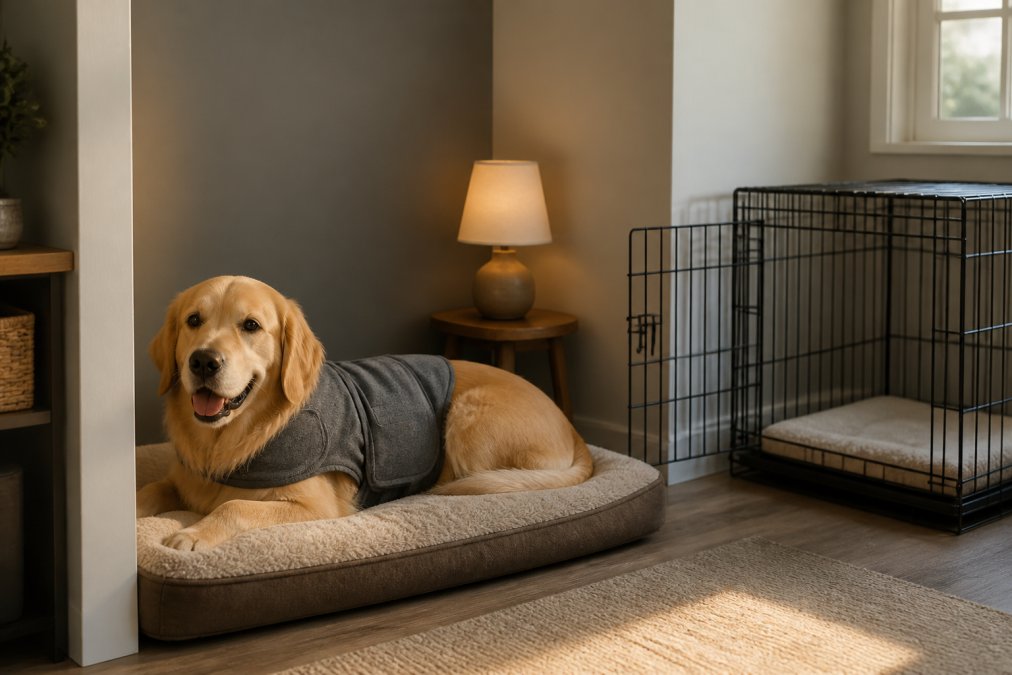
For cats, vertical safe spaces work well. Cat trees, wall-mounted shelves, or closets with bedding provide escape routes above ground level. Designate a quiet room as your pet's retreat area, keeping it away from high-traffic zones and loud appliances. Include comfortable bedding, water, toys, and a litter box for cats.
Environmental modifications that reduce stress
Modify your home environment to minimize anxiety triggers. Use blackout curtains during thunderstorms to reduce flashes. Play calming music or white noise to mask frightening sounds.
Maintain consistent daily routines. Feed your pet at the same times, take walks at predictable hours, and establish regular play sessions. Predictability reduces baseline anxiety because your pet knows what to expect.
Control temperature and lighting. Some anxious pets feel calmer in slightly cooler environments. Soft, indirect lighting feels less stimulating than bright overhead lights. Reduce visual clutter and chaos, and create predictable pathways through your home so your pet can move safely without surprises.
Separate anxious pets from stress-inducing situations when possible. If your pet panics during vacuuming, place them in their safe space with calming music before you start.
Key Takeaway
The most effective safe space combines physical comfort, environmental control, and consistent routine. Your pet learns that this specific area means safety and predictability.
Behavioral Modification Techniques for Anxious Pets
Behavioral modification rewires your pet's anxiety response through systematic practice. These techniques take time but create lasting change.
Desensitization and counter-conditioning
Desensitization gradually exposes your pet to anxiety triggers at very low intensities. If thunderstorms trigger panic, start by playing barely-audible storm sounds during calm moments, paired with treats and play. Gradually increase volume over weeks as your pet remains calm.
Counter-conditioning pairs the trigger with something positive. If your dog panics when you put on your work shoes, practice putting on shoes multiple times daily without leaving, sometimes followed by treats, sometimes by play. Eventually, shoe-wearing loses its association with abandonment.
These techniques require patience. Progress happens gradually, sometimes taking weeks or months of consistent practice. Never rush the process or expose your pet to trigger intensities they can't handle.
Positive reinforcement strategies
Reward calm behavior consistently. When your anxious pet remains relaxed during a typically stressful situation, immediately praise and reward them with high-value treats.
Ignore anxious behavior rather than comforting it. Well-intentioned owners often pet and soothe anxious pets, which actually reinforces the anxiety. Your calm, matter-of-fact demeanor teaches your pet that anxiety isn't warranted.
Build confidence through manageable challenges. Gradually expose your pet to new experiences at their comfort level. Establish predictable reward patterns so your pet begins associating calm moments with positive outcomes.
Natural Remedies for Pet Anxiety
Natural approaches complement behavioral modification and environmental changes. These remedies work best as part of a comprehensive strategy rather than standalone solutions.
Calming supplements and their effectiveness
Several supplements support anxiety management. L-theanine promotes relaxation without sedation (peer-reviewed research). Thiamine (vitamin B1) supports nervous system function. Melatonin helps regulate sleep-wake cycles, reducing anxiety-related insomnia.
Hemp-derived products containing CBD are increasingly popular for anxiety management. The Calming Hemp Treats for Dogs from Pawsibly Everything provide a convenient way to deliver these ingredients. These vet-formulated soft chews are designed for fast-acting anxiety relief during thunderstorms, fireworks, or separation situations.

Probiotics support gut health, which research increasingly links to mood and anxiety. Magnesium supports muscle relaxation and nervous system function. Always consult your veterinarian before starting supplements, as some interact with medications or aren't appropriate for certain health conditions.
The effectiveness of natural remedies varies between individuals. Start with one supplement, maintain consistent use for at least two weeks, and monitor changes before adding others.
Calming vests and pressure wraps
Calming vests apply constant, gentle pressure across your pet's torso, similar to swaddling an infant (peer-reviewed research). This pressure activates the parasympathetic nervous system, releasing soothing endorphins. The Dog Anxiety Vest from Pawsibly Everything provides this vet-recommended, drug-free calming mechanism at $17.89.
These vests work best for acute anxiety episodes, thunderstorms, fireworks, vet visits, or travel. Many pets show visible relaxation within minutes of putting on the vest. Sizing matters; a properly fitted vest applies gentle, consistent pressure without restricting movement or breathing.
Some pets adapt to wearing vests regularly, which can help with baseline anxiety reduction. Others prefer wearing them only during specific stressful events.
Pro Tip
Introduce calming vests during calm, positive moments. Let your pet wear it while receiving treats or playing. This creates a positive association before you rely on it during stressful situations.
Building Routine and Consistency
Routine is anxiety medicine. Predictable daily patterns create a sense of control that anxious pets desperately need.
Establish consistent wake times, meal times, walk times, and bedtimes. Your pet's body clock synchronizes with these patterns, reducing baseline stress. Maintain consistency even during weekends and vacations.
Predictable transitions matter. If your departure triggers anxiety, create a pre-departure routine, put on shoes, grab keys, sit quietly for five minutes, then leave. Repeat this exact sequence daily, sometimes leaving and sometimes not. Your pet learns that these actions don't inevitably mean abandonment.
Consistent exercise schedules reduce anxiety. Daily walks at the same time provide physical activity that metabolizes stress hormones while establishing predictable structure. Create consistent evening routines that signal wind-down time, helping your pet's nervous system shift into relaxation mode.
Exercise and Mental Stimulation for Anxiety Relief
Physical activity and mental engagement directly reduce anxiety. Exercise metabolizes stress hormones, while mental stimulation redirects anxious energy toward productive focus.
Daily walks provide essential physical activity. Aim for at least 30 minutes of moderate exercise for most dogs, adjusted for breed, age, and health status (aaha.org). Interactive play sessions engage your pet mentally and physically while strengthening your bond.
Puzzle toys and enrichment activities redirect anxious focus. Food-dispensing toys, sniff games, and interactive puzzle feeders keep your pet's mind engaged. Training sessions provide mental stimulation while building confidence. Rotate toys and activities to maintain novelty and prevent boredom.
When to Consult Your Veterinarian
Professional guidance becomes necessary when anxiety symptoms are severe, escalating, or causing self-injury. Schedule a veterinary appointment if excessive licking or chewing damages skin, or if aggressive behavior related to anxiety develops.
Consult your veterinarian before starting supplements or natural remedies. Some interact with medications; others aren't appropriate for certain health conditions. Your vet can rule out medical conditions that mimic anxiety, thyroid problems, pain, hearing loss, and cognitive dysfunction in senior pets can all present as anxiety-like symptoms.
Discuss medication options if behavioral modification and environmental changes aren't sufficient. Anxiolytic medications can help during the learning process, giving behavioral techniques a better chance to succeed. Behavioral consultation with a certified animal behaviorist might be valuable for complex cases.
Managing pet anxiety requires patience, consistency, and often a combination of approaches. Environmental modifications, behavioral techniques, natural supplements, and calming products work together to help your anxious pet feel safer and more confident. Pawsibly Everything supports this journey with carefully selected products, from the Dog Anxiety Vest providing drug-free pressure therapy to the Calming Hemp Treats delivering fast-acting relief. Start with environmental changes and routine consistency, add behavioral modification techniques, and incorporate calming products as needed. Your veterinarian remains your partner throughout this process, ensuring your pet receives comprehensive care tailored to their individual needs.

Frequently Asked Questions
What are the most common signs of anxiety in dogs and cats?
Anxious pets often display panting, pacing, destructive behavior, excessive barking or meowing, and hiding. Dogs may show body language changes like ears pinned back, trembling, or loss of appetite. Cats may over-groom, spray urine, or become unusually withdrawn. Early recognition helps you address anxiety before it worsens, making behavioral modification and environmental changes more effective.
How do I create a safe space for my anxious pet?
A safe space should be quiet, dimly lit, and contain familiar items like a comfortable bed or blanket. Use crate training to give your pet a den-like retreat. Add calming elements such as a soft bed from Pawsibly Everything's calming collection, remove loud triggers, and ensure your pet can access this space whenever stressed. Consistency in the space's location and setup builds confidence and reduces anxiety over time.
What natural remedies work best for managing pet anxiety?
Effective natural remedies include supplements containing L-theanine, melatonin, and thiamin, which support calm behavior. Calming hemp treats provide fast-acting relief without medication. Calming vests apply gentle pressure therapy to soothe your pet's nervous system. Environmental pheromone products also help. For severe cases, combine natural remedies with behavioral modification and consult your veterinarian to rule out medical causes and discuss anxiolytic medication if needed.
How much exercise does my anxious pet need to reduce anxiety?
Daily exercise tailored to your pet's age and breed significantly reduces anxiety by lowering cortisol levels and burning excess energy. Dogs typically benefit from 30-60 minutes of physical activity daily, while cats need interactive play sessions of 10-15 minutes, multiple times per day. Mental stimulation through enrichment toys and training sessions is equally important. Consistent, predictable exercise routines also build confidence and provide structure your anxious pet needs.
This article was written using GrandRanker

