

Cart
0
Table of Contents
- Recognize Signs of Anxiety in Dogs and Cats
- Establish Consistent Daily Routines
- Use Natural Remedies for Pet Anxiety
- Create a Safe, Quiet Space for Your Pet
- How to Help a Dog with Separation Anxiety
- Apply Physical Calming Techniques
- When to Consult a Veterinary Behaviorist
Last Updated: August 15, 2026
Recognize Signs of Anxiety in Dogs and Cats
Anxiety in pets manifests differently depending on the animal, but the warning signs are often unmistakable once you know what to look for. Dogs with anxiety typically display excessive barking, destructive behavior, pacing, or attempts to escape confined spaces. Cats may hide for extended periods, refuse food, over-groom themselves, or become unusually aggressive. Both species can experience changes in body language, ears pinned back, tail tucked, or a rigid posture, that signal distress.
Understanding these signs is the first step toward helping your anxious pet. Some anxiety appears suddenly after a triggering event, while other pets seem predisposed to nervousness from puppyhood or kittenhood. Post-pandemic separation anxiety has become increasingly common as pets adjusted to owners working from home and now struggle when routines shift back to office schedules.
The physical symptoms matter too. Anxious pets may pant heavily, drool excessively, or have accidents in the house despite being housetrained. Some develop stress-related health issues like digestive problems or skin conditions from constant licking. Recognizing these behavioral and physical cues early allows you to intervene before anxiety spirals into more serious behavioral problems or health complications.
Watch Out
Ignoring early anxiety signs can lead to escalating destructive behaviors and increased stress on both pet and owner. The longer anxiety goes unaddressed, the more ingrained the stress response becomes.
Establish Consistent Daily Routines
A predictable schedule is one of the most powerful anxiety-reduction tools available, yet many pet owners underestimate its importance. Dogs and cats thrive on routine consistency because it creates a sense of control and safety in their environment. When feeding times, walk schedules, playtime, and sleep patterns remain stable, your pet's nervous system learns to relax, they know what to expect and when to expect it.
Establish specific times for meals, outdoor bathroom breaks, exercise, and quiet rest periods. If you work outside the home, maintain the same departure and arrival times when possible. Even small inconsistencies, feeding breakfast at 7 a.m. one day and 8 a.m. the next, can trigger anxiety in sensitive pets. The routine itself becomes a calming signal that tells your pet their world is ordered and safe.
Consider the broader environmental consistency too. Keep toys, beds, and food bowls in the same locations. Use the same verbal cues and commands. If you introduce changes, do so gradually rather than abruptly. A pet who knows that after the morning walk comes breakfast, then playtime, then a settling period has a mental framework that reduces uncertainty and associated stress.
Pro Tip
Set phone reminders for your pet's routine times if you struggle with consistency. This simple habit can dramatically reduce anxiety-related behaviors within 2-3 weeks.
Use Natural Remedies for Pet Anxiety
Many pet owners prefer starting with natural approaches before considering pharmaceutical options. Hemp-based calming treats have become popular for managing mild to moderate anxiety. These products typically contain ingredients designed to support relaxation without sedation, allowing your pet to remain alert while experiencing reduced stress responses.
Other natural remedies include pheromone diffusers, which release calming scents that mimic natural pheromones produced by dogs and cats. These work by triggering the same neurological pathways that comfort animals in their natural state. Pheromone products come in plug-in diffusers, sprays, and collar formats, making them easy to integrate into your pet's environment.
Herbal supplements like chamomile, valerian root, and L-theanine have been studied for their potential calming effects in pets. Always consult your veterinarian before introducing any supplement, as some can interact with medications or may not be appropriate for pets with certain health conditions. Quality matters significantly, look for products from reputable manufacturers that conduct third-party testing.
Pawsibly Everything offers Calming Hemp Treats for Dogs formulated to support relaxation during stressful situations. These vet-formulated soft chews provide a straightforward way to incorporate calming support into your daily routine, especially helpful during thunderstorms or fireworks when anxiety spikes.

White noise and calming music specifically composed for pets can also reduce anxiety triggers. These auditory tools mask sudden environmental sounds that startle anxious animals and create a consistent acoustic environment that promotes relaxation.
Create a Safe, Quiet Space for Your Pet
Every anxious pet needs a dedicated sanctuary, a space where they can retreat when overwhelmed by stimuli or stress. This safe haven should be quiet, away from high-traffic areas, and equipped with comfortable bedding. Many pets naturally gravitate toward smaller, enclosed spaces like closets or under beds because these environments feel protective and reduce sensory overload.
Set up your pet's safe space with familiar items: their bed, a favorite toy, and perhaps an article of your clothing that carries your scent. Make this space consistently available, never using it as punishment. Your pet should view it as a choice, not a consequence. Some owners use baby gates to create a designated room that feels secure without being confining.
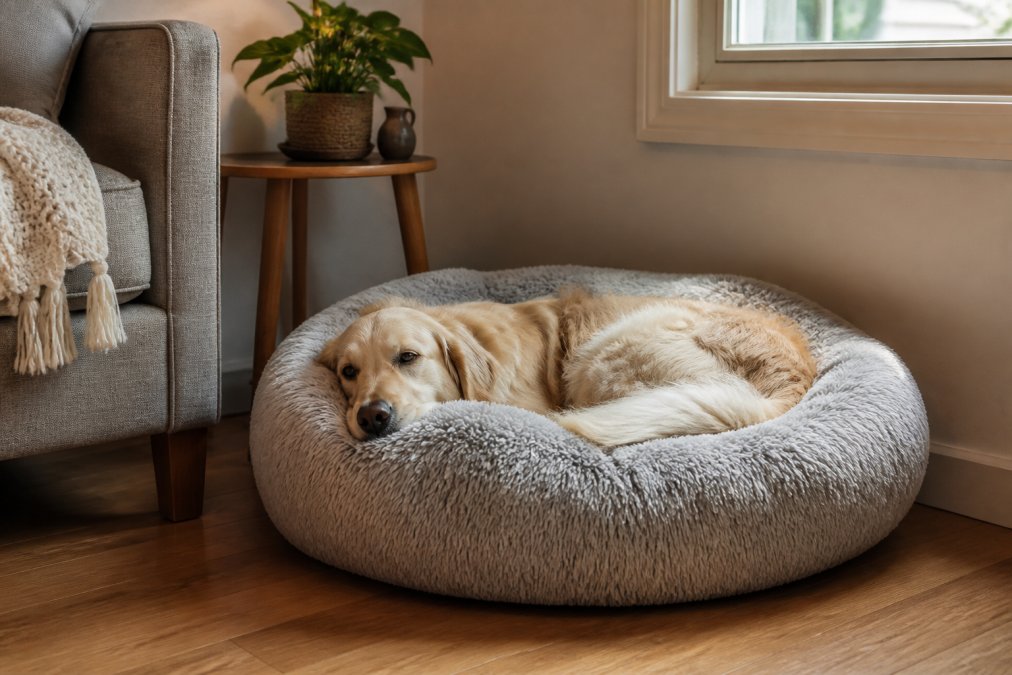
The Calming Fluffy Flower Pet Bed from Pawsibly Everything provides the comfort and security anxious pets need. Its plush design creates a nest-like environment that naturally encourages settling behavior. The non-slip base keeps the bed stable, preventing the shifting movements that can startle nervous pets.

Control sensory input in this space by minimizing noise and visual stimuli. Use blackout curtains if your pet is sensitive to light changes. Keep the temperature comfortable, many anxious pets appreciate slightly cooler environments. Some owners add a white noise machine or play calming music to mask household sounds that trigger stress responses.
Key Takeaway
A dedicated safe space isn't a sign of weakness in your pet, it's an environmental management tool that reduces overall anxiety triggers and gives your pet agency over their comfort level.
How to Help a Dog with Separation Anxiety
Separation anxiety deserves specific attention because it represents one of the most challenging anxiety presentations in dogs. Unlike generalized anxiety, separation anxiety occurs specifically when dogs are separated from their owners or left alone. Dogs with this condition may become destructive, have accidents indoors, or engage in excessive vocalization when left alone, behaviors they don't exhibit in their owner's presence.
The recovery process requires patience and gradual desensitization. Start by leaving your dog alone for very short periods, even just a few minutes, then return before they become anxious. Gradually extend these durations over weeks and months. The goal is teaching your dog that your departure doesn't signal danger and that you will always return.
Counter-conditioning helps reshape your dog's emotional response to separation triggers. Practice leaving your dog with a high-value treat or toy that only appears when you're about to leave. This creates a positive association: your departure signals something good, not something to fear. Over time, your dog's anxiety response diminishes.
Avoid making departures and arrivals emotionally charged. Don't engage in lengthy goodbyes or excited hellos, keep both moments calm and matter-of-fact. Emotional reactions from you can amplify your dog's anxiety about separation. Leave and return with the same neutral tone you'd use for any routine activity.
The Dog Anxiety Vest provides gentle pressure therapy that can support dogs experiencing separation anxiety. The vest applies consistent, gentle pressure similar to swaddling, which many dogs find calming. Worn during separation periods, it offers tactile comfort that helps reduce the stress response while you're working on longer-term behavioral modification.

Watch Out
Punishment-based approaches to separation anxiety are counterproductive and can intensify the anxiety response. Focus on positive reinforcement and gradual exposure rather than corrective measures.
Apply Physical Calming Techniques
Physical touch and massage can be remarkably effective for reducing anxiety in both dogs and cats. Gentle, deliberate pressure on specific areas of your pet's body activates the parasympathetic nervous system, the biological system responsible for relaxation and recovery. This isn't random petting; it's intentional, purposeful contact designed to signal safety.
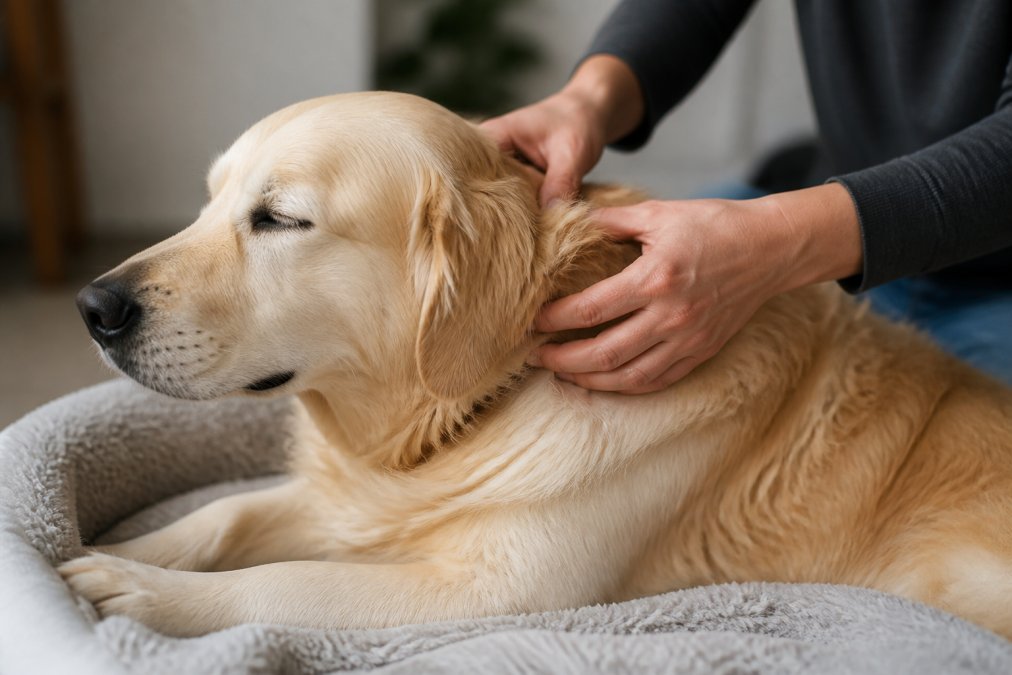
Start with slow, firm strokes along your pet's back and sides. Avoid the head and paws initially, as some anxious animals find facial touch overstimulating. Work your way toward the neck and shoulders, where tension often accumulates. Spend 10-15 minutes on a massage session, focusing on your pet's breathing, as they relax, their breathing should become deeper and slower.
Pressure wraps, sometimes called anxiety vests, work through a similar mechanism. The gentle, consistent pressure provides sensory input that many anxious pets find grounding. These wraps are particularly useful during predictable anxiety triggers like thunderstorms or fireworks. The pressure wrap doesn't sedate your pet, it simply helps their nervous system shift toward a calmer state.
Learn your pet's body language during these sessions. Soft eyes, relaxed ears, and slower breathing indicate your pet is responding positively. If your pet tenses up, moves away, or shows signs of discomfort, adjust your pressure or technique. Every pet has different preferences for touch intensity and location.
When to Consult a Veterinary Behaviorist
While environmental management and behavioral modification help many anxious pets, some cases require professional intervention. A veterinary behaviorist is a veterinarian with specialized training in animal behavior and behavioral medicine. They differ from general veterinarians in their advanced expertise with complex behavioral issues and anxiety disorders.
Consult a veterinary behaviorist if your pet's anxiety significantly impacts quality of life, if self-help strategies haven't produced improvement after 6-8 weeks, or if anxiety is escalating despite your efforts. They can conduct a thorough assessment, rule out underlying medical conditions contributing to anxiety, and develop a customized treatment plan that may include behavioral modification protocols, environmental adjustments, and pharmaceutical support when appropriate.
Prescription anxiolytic medications prescribed by a veterinary behaviorist can be appropriate tools for severe anxiety that doesn't respond to behavioral approaches alone. These medications work by modulating neurotransmitters involved in the stress response, giving your pet's nervous system the biological support needed to respond to behavioral training and environmental management.
Finding a veterinary behaviorist may require travel or virtual consultations, as they're not available in all areas. The American College of Veterinary Behaviorists maintains a directory of board-certified specialists. Your general veterinarian can also provide referrals to behaviorists in your region.
According to the American Veterinary Society of Animal Behavior, evidence-based behavioral treatment combined with appropriate environmental management produces the best outcomes for anxious pets. A behaviorist can help you understand the specific triggers affecting your pet and design interventions tailored to your situation rather than generic anxiety management.
| Anxiety Management Strategy | Best For | Timeline | Effort Level |
|---|---|---|---|
| Consistent daily routines | All anxiety types | Ongoing | Low |
| Safe, quiet space | General and separation anxiety | Immediate setup | Low |
| Natural remedies | Mild to moderate anxiety | 2-4 weeks to evaluate | Low |
| Physical calming techniques | Acute anxiety episodes | Immediate relief | Moderate |
| Behavioral modification | Separation anxiety, specific triggers | 8-12 weeks | High |
| Veterinary behaviorist consultation | Severe or unresponsive anxiety | Varies by plan | Varies |
Anxious pets need comprehensive support that addresses both their environment and their emotional state. The most effective approach combines environmental management, behavioral modification, and sometimes natural or pharmaceutical support. Start with the foundational strategies, consistent routines, a safe space, and gentle physical techniques, then add targeted interventions based on your pet's specific anxiety presentation. If anxiety persists despite your efforts, consulting a veterinary behaviorist ensures your pet receives professional guidance tailored to their individual needs.
Pawsibly Everything provides the comfort products and supplies that support anxious pets through quality bedding, calming treats, and anxiety vests designed with your pet's well-being in mind. Get started today with premium calming solutions that help your anxious pet find peace and security.
Frequently Asked Questions
What are the main signs of anxiety in dogs and cats?
Dogs often show pacing, excessive barking, destructive behavior, and trembling when anxious. Cats may hide, over-groom, become aggressive, or stop eating. Both species can display dilated pupils, rapid breathing, and changes in body language. If your pet exhibits these signs consistently, consult your veterinarian to rule out medical issues and develop a calming plan.
How can I help a dog with separation anxiety?
Start by desensitizing your dog to your departures through gradual exposure. Leave for short periods and return before anxiety sets in. Use positive reinforcement when you leave and arrive calmly. Create a safe haven with familiar items, white noise, or calming products like the Dog Anxiety Vest. Consistent routines help reduce stress triggers, and exercise before departure can lower cortisol levels and promote relaxation.
Are there natural remedies for pet anxiety that actually work?
Yes. Hemp-based treats, L-theanine supplements, and pheromone diffusers have shown effectiveness in reducing anxiety. Exercise and mental stimulation lower cortisol levels naturally. White noise masks stress triggers like thunderstorms or traffic. Calming beds designed with pressure points provide comfort. Always consult your veterinarian before starting supplements, and combine natural remedies with behavioral modification techniques for best results.
When should I see a veterinary behaviorist for my pet's anxiety?
Seek professional help if your pet's anxiety persists despite environmental management and natural remedies, causes destructive behavior or aggression, or significantly impacts quality of life. A veterinary behaviorist can diagnose underlying conditions, prescribe medication if needed, and design tailored training protocols. They're especially helpful for severe cases, post-pandemic separation anxiety, or breed-specific anxiety triggers.
This article was written using GrandRanker

