

Cart
0
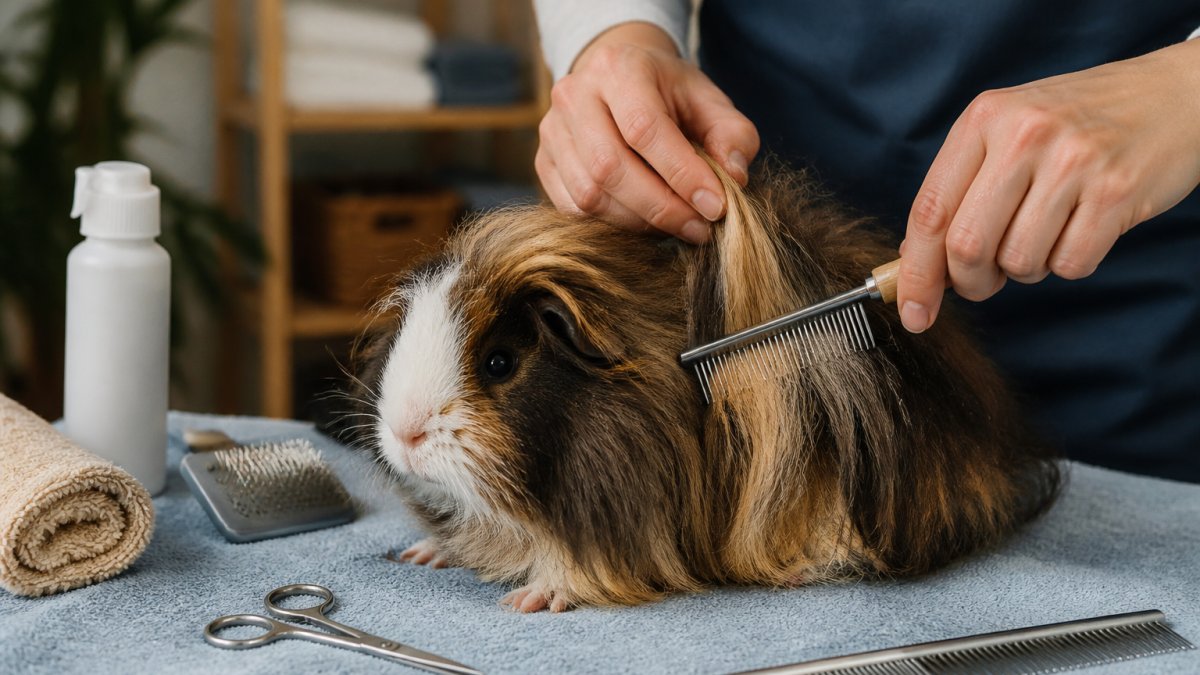
Table of Contents
- How to Remove Mats From Long-Haired Small Pets: A Step-by-Step Guide
- Safe Pet Mat Removal Tools That Protect Skin
- Small Pets, Delicate Skin: Special Precautions
- How to Prevent Mats in Pet Fur With a Grooming Routine
- When to See a Groomer for Matted Fur
- Common Mistakes to Avoid When Removing Mats
- Frequently Asked Questions
Last Updated: October 12, 2026
How to Remove Mats From Long-Haired Small Pets: A Step-by-Step Guide
Matted fur is one of the most common grooming challenges pet parents face. We help owners tackle it with practical techniques that keep small pets comfortable and safe. Whether you have a rabbit, guinea pig, small dog, or cat, understanding how to remove mats from long haired small pets can save you time, money, and your pet's well-being.
Mats form when loose hair tangles with the undercoat, creating tight knots that pull on the skin. Left untreated, they cause irritation, infections, and serious discomfort. Most mats can be removed at home if you catch them early and use the right approach.
Assess the Mat Before You Start
Before you grab any tools, take a close look at what you're dealing with. Not all mats are created equal, and how you proceed depends on severity.
Here's how to assess what you're working with:
- Loose tangles: Hair strands are visible and separate easily with finger pressure
- Medium mats: Strands are tangled but still moveable; you can see skin underneath
- Severe mats: Solid, tight knots; skin underneath is difficult to see or access
Check the mat's location too. Mats near sensitive areas (armpits, groin, ears) require extra care, since small pets have delicate skin that tears easily. If the mat covers large areas or is so tight you can't work your fingers underneath, stop and call a professional groomer. Forcing removal risks serious skin damage.
Pro Tip
Always check for mats when your pet is calm and still. A struggling pet makes assessment harder and increases injury risk. Try grooming during quiet times when your pet naturally relaxes.
Prepare Your Pet and Workspace
Success starts with setup. Find a comfortable, well-lit area, natural light is best, and set your pet on a grooming table, towel, or non-slip mat. Small pets can slip and panic on smooth surfaces, so stability matters.
Have all your tools within arm's reach before you start:
- Metal comb
- Slicker brush
- Detangling spray or conditioning solution
- Small scissors (optional, for severe cases)
- Treats for positive reinforcement
Calm your pet first with treats and a soothing voice. A stressed pet will move around, making your job harder and increasing the risk of accidentally cutting skin; grooming after your pet has eaten or exercised can help.
Separate and Loosen the Mat
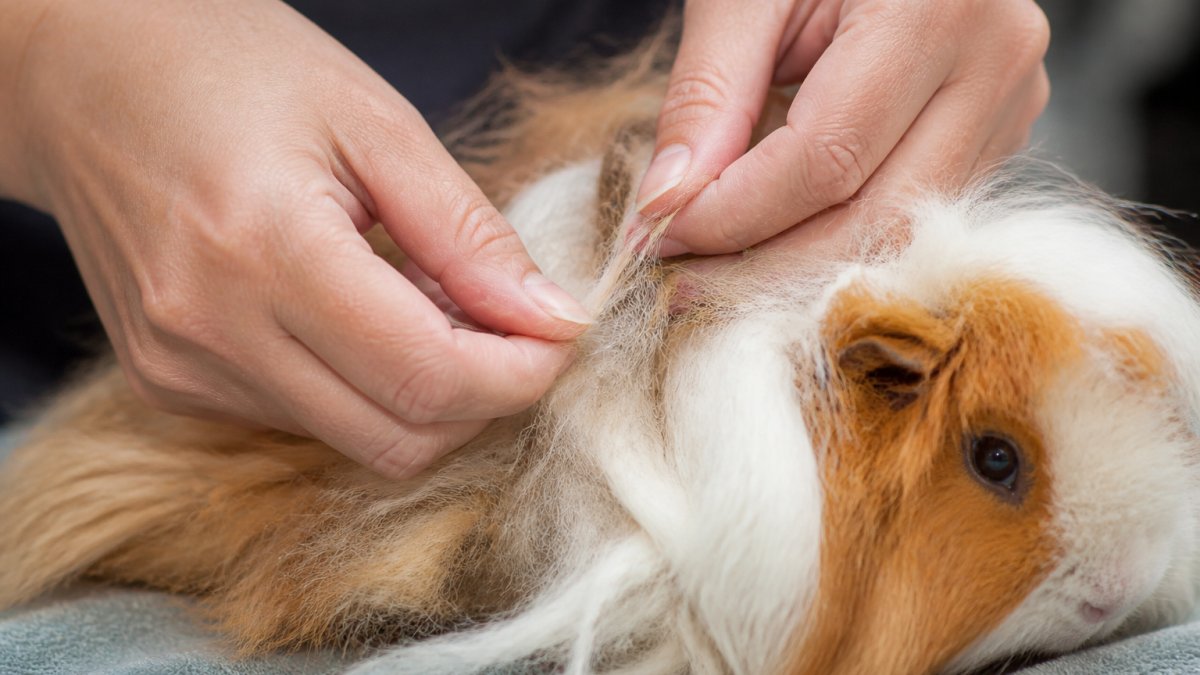
This step is where patience pays off. Start by using your fingers to gently pull the mat apart, working from the outer edges toward the center. This finger separation technique works surprisingly well on loose to medium mats and causes zero pain.
Once the outer edges are loose, apply a small amount of detangling spray or conditioning solution directly to the mat and let it soak for a minute or two. Then gently pull small sections of hair away from the main mat.
Work in small sections:
- Focus on one area no larger than your thumbnail
- Separate that section completely before moving on
- Check your progress frequently by running your fingers through
For stubborn mats, spray, wait 2-3 minutes, then tease small strands free from the edges. Repeat until the mat loosens enough to comb through.
Watch Out
Never pull hard on a mat. This causes pain and can tear skin underneath. If you're pulling and meeting strong resistance, stop. Use more spray, wait longer, or consider professional help. A few minutes of patience prevents injury.
Brush and Comb the Loosened Sections
Once the mat is loosened, brushing and combing removes the remaining tangles and prevents new ones. Start with a slicker brush on loosened sections, using gentle, short strokes in the direction the fur grows.
Follow up with a metal comb to catch tangles the brush missed, working slowly from the outer edges inward. If you hit resistance, stop and tease that section apart with your fingers.
The Pet Pumpkin Grooming Self Cleaning Slicker Brush is designed specifically for this work. Its fine bent wires remove loose undercoat without scratching delicate skin, and the self-cleaning button makes hair removal instant.

Safe Pet Mat Removal Tools That Protect Skin
The right tools make all the difference. Poor-quality brushes and combs can scratch skin, pull hair painfully, or damage the coat.
Metal Combs for Fine Detangling
A quality metal comb is non-negotiable for mat removal. Steel combs don't bend or break under pressure, and the smooth teeth glide through hair without snagging.
The Pet Grooming Steel Cat Comb from Pawsibly Everything is built for exactly this purpose. Its steel construction handles stubborn mats without bending, and the dual-tooth design lets you adjust as you work. At $18.82, it's a one-time investment.
Apply gentle, steady pressure when combing. Let the comb do the work, you're guiding it, not forcing it through tangles.
Slicker Brushes for Undercoat Removal
Slicker brushes are your workhorse for removing loose hair and preventing future mats. The fine, short wires penetrate deep into the coat to catch tangles before they become problems, reaching the undercoat where mats typically form. For small pets with long coat or heavy coat types, a slicker brush is essential. Choose one with a comfortable, anti-slip grip, since hand strain makes the job harder.
The Pet Pumpkin Grooming Self Cleaning Slicker Brush includes a self-cleaning button that retracts bristles and removes hair instantly. This keeps your brush clean and ready between strokes, making the whole process faster.
Detangling Aids and Conditioning Solutions
Detangling sprays and conditioning solutions reduce friction and make mat removal easier, especially for severe mats or sensitive skin. Look for solutions with coconut oil or plant-based conditioners, a water or deionized water base, plant-derived conditioning agents, and no harsh chemicals or alcohol.
The Pet Grooming Brush To Remove Floating Hair from Pawsibly Everything includes a special cleaning-free essence liquid with coconut glucoside, plant acarid agents, and plant essential oils. This formulation conditions while detangling.

Apply sparingly. A little goes a long way. Too much product makes hair slippery and harder to control.
Key Takeaway
The combination of a quality metal comb, slicker brush, and conditioning solution handles most mat removal situations safely. These three tools are your foundation.
Small Pets, Delicate Skin: Special Precautions
Small pets have thinner, more sensitive skin than larger dogs. This changes how you approach mat removal.
Never use the same pressure or techniques you'd use on a large dog. Small rabbits, guinea pigs, ferrets, and small cat breeds can suffer serious skin tears from aggressive brushing or combing.
Avoid sensitive areas. Armpits, groin, inner thighs, and belly have the most delicate skin. If mats form here, use only your fingers and conditioning spray. Skip tools entirely if the mat is tight.
How to Prevent Mats in Pet Fur With a Grooming Routine
Prevention is far easier than removal. A consistent grooming routine stops most mats before they form.
The frequency depends on coat type. Long-haired, heavy-coated pets need more attention than short-haired ones.
- Daily: Quick brush or comb through for long-coated small pets
- 3-4 times per week: Brushing for medium-length coats
- Weekly: Slicker brush and metal comb for all long-haired pets
- After baths: Always brush and comb while fur is still damp but not soaking wet
Damp fur is easier to brush than dry fur, since water reduces static and friction. Bathe your pet, then gently brush while the coat is still slightly damp. Focus on high-mat areas: behind ears, armpits, groin, and where the collar sits.
A regular brushing routine catches loose hair before it tangles, the single most effective mat prevention tool you have. Fifteen minutes twice a week prevents hours of mat removal work later.
Pro Tip
Brush before bathing, not after. Brushing before water removes loose hair that would tangle when wet. After the bath, use a comb on damp fur to finish the job.
When to See a Groomer for Matted Fur
Some mats are beyond home care. Knowing when to call a professional saves your pet pain and protects their skin.
Signs It's Time to Call a Professional
Stop home removal and call a groomer if:
- The mat is so tight you can't work your fingers underneath
- The mat covers large areas of the body
- Your pet shows signs of pain: yelping, flinching, or trying to escape
- The mat is matted directly against the skin with no separation
- You've spent 15 minutes on one mat without progress
- The mat is near sensitive areas (eyes, ears, genitals) and you're uncomfortable working there
- Your pet has open sores or skin irritation under the mat
Professional groomers have industrial-strength tools and experience removing severe mats safely, and can assess whether your pet's skin has been damaged.
What to Expect at a Professional Grooming Appointment
When you take your matted pet to a groomer, here's what typically happens. The groomer assesses mat severity and location; for severe mats, they may recommend a full shave-down rather than trying to preserve the coat, which is often the safest option for heavily matted pets. Budget 2-4 hours depending on severity, since the groomer works slowly to avoid skin damage using professional clippers and detangling solutions. Your groomer will likely recommend a follow-up schedule based on your pet's coat type and mat history, and can show you the best brushing techniques and tools for your pet's hair type.
Common Mistakes to Avoid When Removing Mats
Learning what NOT to do prevents pain, skin damage, and unnecessary grooming costs.
Mistake 2: Pulling hard on mats. This is the fastest way to cause pain and skin tears.
Mistake 3: Ignoring early tangles. Small tangles become large mats in days.
Mistake 4: Bathing before mat removal. Water tightens mats and makes them harder to remove.
Mistake 5: Using the wrong tools. Cheap brushes and combs bend, break, or scratch skin.
Mistake 6: Forcing removal on a stressed pet. A struggling pet is more likely to get hurt.
Matted fur doesn't have to be a crisis.
Your small pet's coat is delicate.
Frequently Asked Questions
How do you safely remove mats from a long-haired small pet without causing pain?
Start by assessing mat severity and always work from the outer edges inward. Use your fingers to gently separate the mat before introducing tools. Work in small sections, applying detangling spray or conditioning solution to loosen the knots. Never pull directly on the mat, as this causes skin irritation and pain. If the mat is close to skin or your pet shows distress, stop and consult a professional groomer. Small pets have delicate, sensitive skin that bruises easily, so patience and gentle handling are essential throughout the process.
What are the safest pet mat removal tools for small pets?
Metal combs and slicker brushes with fine, bent wires are safest for small pets when used gently. The Pet Grooming Steel Cat Comb ($18.82) is available for fine detangling, while the Pet Pumpkin Grooming Self Cleaning Slicker Brush ($17.96) is available for removing loose undercoat. Always choose tools designed for your pet's coat type and size. Avoid clippers or scissors near mats, as they risk cutting skin. Test any tool on a mat-free area first to ensure your pet tolerates it before working on problem areas.
How can you prevent mats in pet fur and avoid the problem altogether?
Daily combing and regular brushing are the most effective prevention methods. Brush long-haired pets at least three to five times per week, focusing on areas prone to matting like behind ears, armpits, and hindquarters. Use conditioning products during baths to reduce friction and static. Keep your pet's coat clean and dry, as moisture trapped in long fur accelerates mat formation. For small pets, establish a grooming routine early so they become comfortable with handling. Consistent maintenance prevents painful mats and reduces the need for professional intervention.
When should you take a matted pet to a professional groomer instead of removing mats at home?
Seek professional help if mats are severely tangled, cover large areas of the body, or are close to the skin where injury risk is high. If your pet shows extreme stress, pain, or aggression during removal attempts, a groomer has experience and tools to handle difficult situations safely. Pets with medical conditions, skin sensitivity, or anxiety may benefit from professional care. A groomer can also assess whether bathing would help or worsen the situation. When in doubt, a quick consultation with your veterinarian or groomer can guide the best course of action for your pet's safety.

