

Cart
0

Table of Contents
- Best Durable Plush Toys for Dogs: Quick Comparison
- How to Choose a Durable Dog Toy That Lasts
- Best Dog Toys for Aggressive Chewers
- Safety Tips for Dog Chew Toys
- How to Stop Your Dog from Destroying Plush Toys
- Cleaning, Maintenance, and Repair Tips
- Conclusion
Last Updated: August 14, 2026
Best Durable Plush Toys for Dogs: Quick Comparison
Most plush toys fall apart within days of aggressive chewing, leaving you buying replacements constantly. This guide covers what separates toys that last from those designed to fail, plus how to choose based on your dog's chewing intensity and size. The difference comes down to three things: fabric quality, seam construction, and internal durability to handle serious bite force.
Quick Picks:
- Best Overall: Pawsibly Everything's Vocal Rugby Pet Toys, strong natural rubber construction with reinforced bite resistance
- Best Budget Option: Chew Toys For Dog Teeth Cleaning, TPR material with serrated surface, under $7
- Best for Supervised Play: Pet Dog Sounding Toys, plush material with interactive squeaker, ideal for engagement
- Most Durable Construction: Dog Bite Resistant Rubber Grinding Toys, size-matched options for dogs up to 30kg
| Product | Material | Price | Best For | Key Feature |
|---|---|---|---|---|
| Vocal Rugby Pet Toys | Natural rubber | $15.62 | Heavy chewers | Molar sound toy with bite resistance |
| Chew Toys For Dog Teeth Cleaning | TPR rubber | $6.51 | Budget-conscious owners | Teeth cleaning grooves, washable |
| Pet Dog Sounding Toys | Plush fabric | $16.57 | Interactive play | Sounding squeaker for engagement |
| Dog Bite Resistant Rubber Grinding Toys | Rubber | $33.94 | Large dogs | Size-matched (S, M, L) for different weights |
| Pet Grabbing Chew Toys | Silicone | $11.65 | Multi-pet households | Fish design, reduces destructive behavior |
How to Choose a Durable Dog Toy That Lasts
Picking the right toy means matching material strength and construction to your dog's needs. Here's what actually matters when evaluating options.

Material Strength and Tear-Resistant Fabrics
Not all plush materials are equal. Some tear easily while others withstand serious bite force. Look for tear-resistant fabric with tightly woven construction. Ballistic nylon and reinforced canvas hold up far better than standard fleece or thin polyester blends. Material density matters more than the label, a toy called "premium plush" might use loosely woven fabric that tears easily, while a less expensive option with tightly packed fibers resists puncture and shredding.
TPR (thermoplastic rubber) and natural rubber provide excellent bite resistance without choking hazards from loose stuffing. When examining a toy, feel the weight, heavier, denser materials indicate better durability than lightweight, flimsy fabrics.
Pro Tip
Check the material by pressing your thumbnail into it. If it indents easily and doesn't spring back, the toy won't survive aggressive chewing. Quality materials should feel firm and resist compression.
Reinforced Stitching and Double-Stitched Seams
Seams are where toys fail first. Double-stitched seams distribute stress across multiple thread lines, dramatically extending lifespan. The best durable plush toys use reinforced stitching at stress points, especially around handles or tug areas. Look for X-pattern or box-stitch construction that locks seams in place and prevents unraveling when threads break.
When holding a toy, gently tug the seams. Quality construction should resist pulling without separation. If seams feel loose or threads pull free easily, that toy will fail quickly with an aggressive chewer.
Size and Breed-Specific Recommendations
Your dog's size and bite force determine which toys will survive. Small dogs (under 15 pounds) can use 3-4 inch toys, but they still need reinforced construction. Medium dogs (15-40 pounds) need toys at least 5-6 inches long with substantial material density. Large dogs (40+ pounds) require toys 7+ inches with heavy-duty materials. The Dog Bite Resistant Rubber Grinding Toys come in three sizes (S for under 9kg, M for 7-16kg, L for 13-30kg), removing the guesswork.
Breed matters as much as weight. Pit Bulls, German Shepherds, and Rottweilers have bite force that exceeds most toy construction and need rubber-based materials rather than plush fabric alone.
Watch Out
Toys too small for your dog's mouth create serious choking hazards. A toy should be too large to fit completely inside your dog's mouth.
Best Dog Toys for Aggressive Chewers
Aggressive chewers need toys built to withstand serious bite force. Standard plush toys won't survive, you need reinforced construction specifically engineered for power chewers.
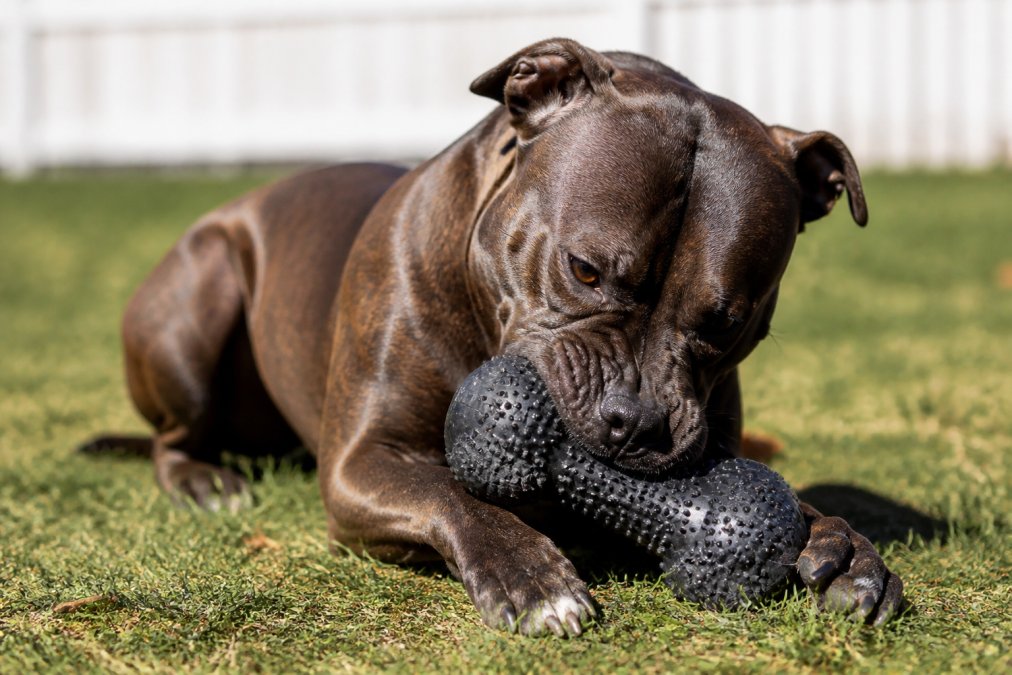
Vocal Rugby Pet Toys ($15.62) uses natural rubber with strong bite resistance, specifically designed for heavy chewers. The molar sound toy design encourages engagement while the rubber construction resists puncture. The 165mm size fits comfortably in medium-to-large dogs' mouths without choking risk. The rubber material won't shred like plush, eliminating stuffing ingestion concerns.
Dog Bite Resistant Rubber Grinding Toys ($33.94) offers size-matched options that scale with your dog's weight and bite force. The puzzle bone design provides mental stimulation while the rubber construction handles aggressive chewing. The grinding surface helps clean teeth while satisfying chewing urges. This toy's higher price reflects heavy-duty engineering built to outlast cheaper alternatives by months.
Chew Toys For Dog Teeth Cleaning ($6.51) provides budget-friendly durability using TPR material with a serrated surface. The hexagonal design offers multiple chewing angles, and the material resists tearing from aggressive bites. The hollow center allows you to add treats, turning chewing into a rewarding activity. Machine washable and reusable, this toy delivers durability without premium pricing.

Key Takeaway
For aggressive chewers, rubber-based materials consistently outlast plush fabric. TPR and natural rubber toys can survive months of heavy use where plush toys fail in days.
Safety Tips for Dog Chew Toys
Choosing durable toys is only half the battle, how you use them determines whether they keep your dog safe. The most durable toys still pose risks if supervision is inadequate or replacement happens too late.
Squeaker Safety and Swallowing Hazards
Squeakers add engagement but create choking and intestinal blockage risks. Small squeakers can lodge in your dog's throat if the toy tears open during aggressive chewing. Monitor toys for squeaker exposure. If you see the squeaker beginning to poke through fabric or if the toy has visible damage, remove it immediately. Never leave toys with squeakers unsupervised with aggressive chewers.
The safest approach for heavy chewers is selecting toys without squeakers. Rubber-based toys like the Vocal Rugby Pet Toys eliminate squeaker risk while still providing satisfying chewing resistance. If your dog prefers interactive toys with sound, use them only during supervised play sessions.
Non-Toxic Materials and Safety Testing
Quality toys use non-toxic materials tested for safety. TPR and natural rubber are generally safe, but manufacturing quality varies. Plush toys should use non-toxic dyes that won't stain your dog's mouth or cause allergic reactions. Avoid toys with loose buttons, decorative elements, or glued-on parts that can become choking hazards.
Check for chemical smell, strong odors indicate poor manufacturing or unsafe materials. Quality toys have minimal odor or smell like the base material. If a toy smells like chemicals, avoid it regardless of price.
Supervised Play and Replacement Cycles
Even the most durable toys eventually wear out. Supervision during play lets you catch problems before they become emergencies. Watch for loose threads, holes, exposed stuffing, or squeaker damage. Remove toys immediately if you notice any of these issues.
Establish a replacement cycle based on your dog's chewing intensity. Aggressive chewers might need toy replacement every 4-8 weeks, while moderate chewers can use the same toy for months. Inspect toys weekly during supervised play. Rotate toys to extend lifespan, a toy that would fail in two weeks with constant use might last two months with rotation.
How to Stop Your Dog from Destroying Plush Toys
Destructive chewing often signals boredom, anxiety, or excess energy. Even the most durable toys won't survive if the underlying cause isn't addressed.
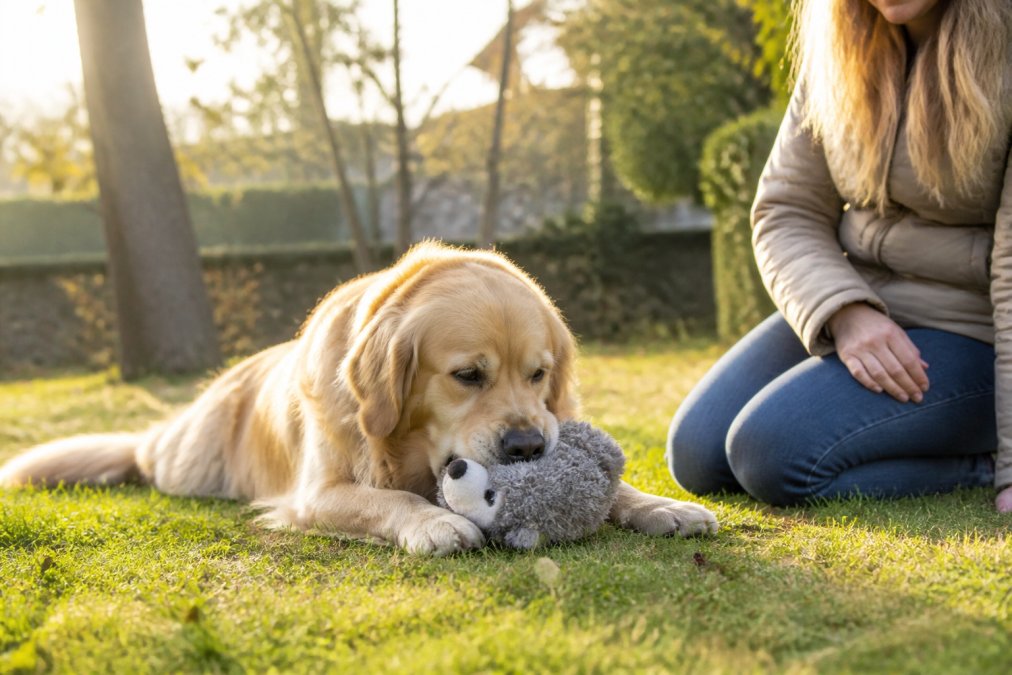
Increase exercise and mental enrichment to reduce destructive chewing. A tired dog is far less likely to obsess over destroying toys. Aim for at least 30 minutes of active play daily for medium-to-large dogs. Provide appropriate chewing outlets like rubber toys, rope toys, and hard chew toys that satisfy the urge to chew without damage.

Supervise play during the initial bonding period with new toys. Show your dog how to engage appropriately and reward calm interaction. If your dog begins aggressive destruction, redirect to a different toy or end the session. Interactive play reduces anxiety-driven destruction, dogs that are anxious when alone often destroy toys as a stress response.
Cleaning, Maintenance, and Repair Tips
Proper care extends toy lifespan dramatically. Most owners don't clean toys regularly, which leads to bacterial growth and material degradation.
Machine Washable Options and Care Instructions
Many quality toys are machine washable. The Chew Toys For Dog Teeth Cleaning are specifically designed for easy cleaning and reuse. For plush toys, use the gentle cycle with cold water. Air dry completely before giving the toy back to your dog. Never use a dryer on plush toys, as heat damages fabric and can melt synthetic materials.
Wash toys every 1-2 weeks if your dog uses them daily. For toys that aren't machine washable, hand wash with warm soapy water and a soft brush. Scrub seams and crevices where bacteria accumulate. Air dry completely in sunlight when possible, as UV light naturally kills bacteria.
Mending and Extending Toy Lifespan
Small damage doesn't mean the toy is finished. Minor tears and loose threads can be repaired, extending the toy's usable life. For loose threads, trim them close to the toy rather than pulling them out. Small holes can be patched using fabric glue or needle and thread. For rubber toys, use waterproof adhesive designed for rubber repair.
When is it time to retire a toy? If damage is extensive, large holes, multiple seam failures, or visible stuffing coming out, the toy is no longer safe. Dispose of the toy safely.
Choosing durable plush toys for dogs means matching toy construction to your dog's chewing intensity and size. The toys recommended above are built to last, but they're only part of the solution. Supervision, maintenance, and appropriate enrichment keep your dog safe while extending toy lifespan. At Pawsibly Everything, we understand that quality toys support your dog's well-being and reduce the frustration of constant replacement. Explore our full selection of pet supplies designed with durability and safety in mind. Add a toy to your cart today and discover the difference that quality construction makes in your dog's play experience.
Frequently Asked Questions
What makes a plush toy truly durable for aggressive chewers?
A durable plush toy combines reinforced stitching, tear-resistant fabric, and high material density to withstand aggressive chewing. Look for double-stitched seams, ballistic nylon or heavy-duty plush materials, and toys designed specifically for power chewers. The Vocal Rugby Pet Toys ($15.62) and Dog Bite Resistant Rubber Grinding Toys ($33.94) use strong, durable materials that resist tearing and puncturing. Check the manufacturer's chew-resistance rating and breed recommendations before purchasing.
Are there any truly indestructible plush dog toys?
No toy is completely indestructible, but some come very close. Heavy-duty options with reinforced construction, non-toxic rubber materials, and bite-resistant design last significantly longer than standard plush toys. The Chew Toys For Dog Teeth Cleaning ($6.51) uses TPR material with enough bite resistance to handle extended chewing. Durability depends on your dog's chew strength, supervised play, and proper rotation of toys. Even heavy-duty toys need regular inspection and replacement when damage appears.
How do I choose a plush toy that won't be destroyed in minutes?
Select toys based on your dog's weight, age, and chewing intensity. Smaller dogs under 9 kg need smaller toys like the Dog Bite Resistant Rubber Grinding Toys in size S ($33.94), while larger dogs benefit from bigger options. Prioritize toys with reinforced stitching, tear-resistant fabric, and non-toxic materials. Introduce toys during supervised play to monitor your dog's chewing behavior. Rotate toys regularly to maintain interest and reduce destructive behavior. Replace toys showing visible damage, loose seams, or stuffing exposure.
What safety hazards should I watch for with dog chew toys?
Watch for squeaker hazards, loose seams, and swallowing risks. Remove toys with exposed stuffing, torn fabric, or detached squeakers immediately. Ensure toys are made from non-toxic materials tested for safety. Supervise play sessions, especially with puppies or aggressive chewers. Choose appropriately sized toys for your dog's breed and bite force. Machine washable options like those offered at Pawsibly Everything reduce bacterial buildup. Inspect toys regularly and establish a replacement cycle based on wear patterns and your dog's chewing intensity.
How can I reduce my dog's destructive chewing behavior?
Provide mental stimulation through interactive play, rotate toys regularly to maintain novelty, and use durable plush toys designed for aggressive chewers. The Pet Dog Sounding Toys ($16.57) offer auditory enrichment that reduces boredom. Establish supervised play sessions and reward your dog for engaging with toys appropriately. Ensure your dog gets adequate exercise, as destructive chewing often stems from excess energy or anxiety. Offer appropriate chew alternatives and redirect unwanted chewing toward designated toys. Consistency and positive reinforcement help establish healthy play habits.
This article was written using GrandRanker

