

Cart
0
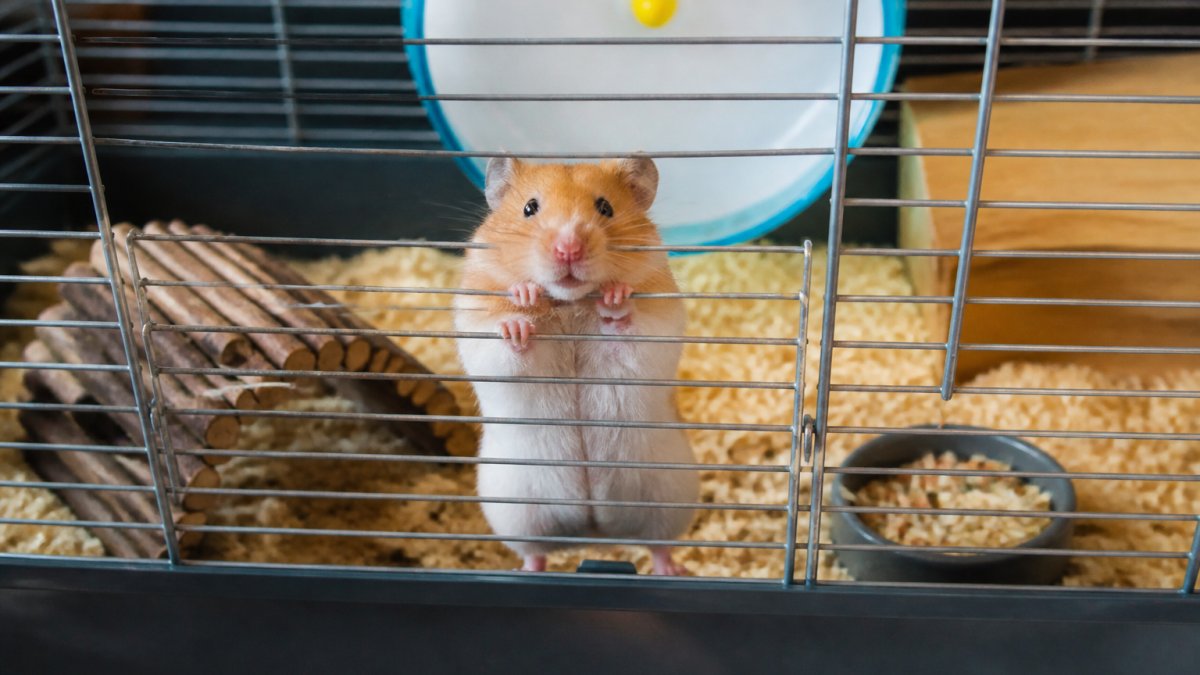
Table of Contents
- Physical Signs of Stress in Small Pets
- Behavioral Changes and Signs of Stress in Small Animals
- Small Pet Cage Size Requirements and Stress
- How to Reduce Stress in Small Pets
- Enrichment for Small Pets and Stress Relief
- Body Language and Facial Expressions: Reading Your Pet
- When to Seek Veterinary Help
- Frequently Asked Questions
Last Updated: October 15, 2026
Physical Signs of Stress in Small Pets
Recognizing stress in small pets starts with the physical signs. At Pawsibly Everything, we help pet parents spot these early.

Visible Body Responses
Trembling and shaking are among the first physical indicators of stress in small pets, a rabbit may shake visibly, a guinea pig may tremble when held.
Look for these physical stress signals:
- Trembling or shaking that appears without cause
- Rapid, shallow breathing or panting
- Drooling more than usual
Pacing, moving back and forth repetitively, unable to settle, often signals an enclosure that feels too small or lacks enrichment.
Watch the eyes and ears: stressed small animals often have dilated pupils, flattened or pinned-back ears, and drooping whiskers, signals that appear before behavioral changes.
Changes in Eating and Drinking
Appetite loss is a serious stress indicator: a pet that normally enjoys treats may refuse them entirely.
Pay attention to these feeding changes:
- Refusing favorite treats or food
- Drinking more or less water than normal
- Weight loss over a few weeks
Stress disrupts digestion: some pets stop eating or eat sporadically, others drink excessively or drink less. Both patterns suggest anxiety or discomfort.
Behavioral Changes and Signs of Stress in Small Animals
Behavioral shifts often appear before physical symptoms worsen, but the behaviors alone are not proof that cage size is the problem. Rabbits, guinea pigs, hamsters, rats, and other small pets show nearly identical stress behaviors whether the trigger is a too-small enclosure, a barking dog, rough handling, a bullying cage mate, illness, or boredom. The skill is telling those causes apart.
What Cage-Size Stress Looks Like Specifically
When usable floor area is the limiting factor, the behaviors cluster around movement and territory. Watch for these patterns, which tend to appear together rather than alone:
- Bar biting, bar chewing, or nose rubbing along the same section of the enclosure, often leaving worn fur or sore skin on the nose
- Repetitive pacing along one wall or in a fixed loop, sometimes called route tracing, with the animal returning to the same corner each time
- Rearranging or pushing bedding into a single corner because there is no separate area for sleeping, eating, and eliminating
These behaviors ease or stop within days to a couple of weeks after the enclosure is enlarged or reconfigured, the clearest confirmation that space was the trigger.
Behaviors That Usually Point Somewhere Else
If the signs below dominate and the movement-related behaviors above are absent, cage size is probably not the primary cause. Look at the other variables first:
- Sudden hiding and withdrawal after a specific event (a new pet, a move, a loud appliance, a change in handling) points to an environmental or social stressor rather than space
- Aggression directed at one specific cage mate suggests social conflict or resource guarding, not floor area
- Freezing only when handled points to a handling or trust issue
A practical rule: cage-size stress is a movement problem. If the animal has room but is still distressed, the cause is almost always something else.
A Quick Cause-Sorting Method
Before assuming the cage is too small, run through this short check:
- Measure usable floor area (interior length × interior width, minus the footprint of hides, bowls, and wheels). Compare it to the species minimums in the next section.
- Change one variable at a time. Add enrichment for a week. If behavior improves, boredom was likely the driver.
- Move the enclosure to a quieter room for a week. If behavior improves, noise or foot traffic was the trigger.
- Separate or re-pair cage mates temporarily if social conflict is suspected.
- Schedule a veterinary exam if physical signs (fur loss, weight change, discharge, head tilt) accompany the behavior.
If none of those help and the animal still paces, bar-bites, or cannot settle, inadequate space is the most likely remaining cause, enlarge the enclosure next.
Key Takeaway
Behavior alone does not prove cage size is the problem. Look for the movement-and-territory cluster (bar biting, route pacing, bedding rearrangement) and rule out noise, handling, social conflict, illness, and boredom before you spend money on a bigger cage.
Escape Attempts and Restlessness
Escape attempts are the most dramatic sign of confinement stress, but also the easiest to misread: a hamster climbing bars at dusk may simply be waking up, and a rat pushing at the lid may be anticipating handling.
Restlessness tied to inadequate space usually looks like this:
- Constant movement with no settling point, even during the species' normal rest period
- Chewing or scratching at the same bars or corner until the surface is worn
- Repeated climbing and falling in species that are not agile climbers
A stressed pet cannot relax, and the resulting sleep loss raises stress hormones, worsening the behavior, a cycle a larger enclosure breaks most reliably.
Watch Out
Escape attempts that include self-injury, a bloody nose from bar rubbing, broken teeth from bar biting, or a fall from height, need veterinary attention. Do not wait to see whether a cage upgrade resolves it.
Small Pet Cage Size Requirements and Stress
Cage size is the most controllable factor in small-pet stress, and the most often miscalculated. Packaging lists exterior dimensions, but what matters is usable floor area, interior length × interior width, minus the footprint of every floor-standing object. A cage marketed as "large" can lose a third of its floor to one oversized hide.
How to Calculate Usable Floor Area
- Measure the interior length and interior width in inches, wall to wall.
- Multiply them to get gross floor area in square inches.
- Measure the footprint of each item that touches the floor (hide, bowl, wheel, litter pan, water bottle base).
- Subtract those footprints from the gross area.
- The result is the usable floor area. Compare it to the species guidance below.
A cage that meets the exterior-size number but leaves less than half its floor free is still too small in practice.
Species-Specific Minimums and Why They Differ
These figures reflect commonly cited welfare guidance for single animals. They are starting points, not ceilings, larger is always better, and bonded pairs need more.
- Rabbits: at least 12 square feet of usable floor area for a single rabbit, with a minimum interior length of 48 inches so the rabbit can take three uninterrupted hops. Height should allow the rabbit to stand fully upright on hind legs without touching the ceiling, typically 24 inches or more. Rabbits also need a separate litter area and a hide, so the 12 square feet is floor the rabbit can actually move through.
- Guinea pigs: at least 7.5 square feet for one guinea pig and 10.5 square feet for a bonded pair. Guinea pigs do not climb, so height is nearly irrelevant; length and width are everything. A cage narrower than 24 inches forces the animals to walk single-file, which increases social friction.
- Hamsters (Syrian): at least 600 square inches of continuous, unbroken floor area, not connected by tubes or levels. Syrian hamsters are territorial and need one continuous space. Bedding depth of at least 6 inches, ideally 8 to 10, is part of the requirement, not an optional extra, because burrowing is a core stress-relief behavior.
Pro Tip
When in doubt, size up. The cost difference between a cage that meets the minimum and one that comfortably exceeds it is usually small, and the behavioral improvement is the fastest way to confirm that space was the problem.
Why Usable Floor Area Beats Height
Height only helps if the animal can use it. A tall, narrow cage gives a rabbit or guinea pig nothing, since neither climbs, and a tall rat cage is only useful if ramps and platforms connect the levels. The general rule:
- Ground-dwelling species (rabbits, guinea pigs, hedgehogs): prioritize length and width.
- Climbing species (rats, some hamsters): height counts, but only when connected by ramps and ledges.
- Burrowing species (hamsters, gerbils): bedding depth is part of the floor-area calculation, because deep bedding reduces the usable walking surface unless the cage is tall enough to accommodate it.
A tall but narrow cage creates stress rather than relieving it, because the animal cannot move naturally in any direction.
Assessing Your Current Cage Setup
Measuring is the first step toward reducing stress. Grab a tape measure and work through this checklist in order:
- Measure interior length, width, and height, not the exterior frame.
- Calculate gross floor area (length × width in inches).
- Subtract the footprint of every floor-standing item to get usable floor area.
- Check bar spacing. More than 1 inch allows escapes and injuries for hamsters, mice, and young rats; 0.5 inch or less is safer for small species.
- Check bedding depth. Can the animal burrow fully? If not, the cage is too shallow for that species.
- Count enrichment items, hides, platforms, tunnels, chew toys. Fewer than three suggests boredom risk even in a large cage.
- Evaluate ventilation and placement. No direct drafts, no direct sun, and not directly under a television or speaker.
- Log the stress signs you observe and the date you observed them, so you can compare after any change.
A Simple Behavior and Health Log
Tracking changes over time is the only way to know whether a cage upgrade helped. Keep a short daily or weekly log with these columns:
- Date
- Appetite (normal / reduced / refused)
- Water intake (normal / increased / decreased)
After enlarging or rearranging the enclosure, review two to four weeks of entries. Most owners see a measurable drop in pacing, bar biting, and hiding within the first week, and further improvement over the following month.
Watch Out
If the log shows weight loss, refusal to eat for more than 24 hours, loss of bladder or bowel control, or self-injury, stop adjusting the cage and contact a veterinarian. These signs can indicate illness, and attributing them to cage size alone can delay treatment.
When the Cage Is Not the Problem
A cage can meet every minimum above and the animal can still show stress. Before buying a larger enclosure, rule out:
- Noise and foot traffic, small pets are prey animals and startle easily
- Predator presence, a cat or dog that stares at or paws at the cage
- Social conflict, bullying, resource guarding, or an incompatible pair
If those are ruled out and the animal still paces, bar-bites, or cannot settle, inadequate space is the most likely remaining cause, and the next step is a larger enclosure with more usable floor area.
How to Reduce Stress in Small Pets
Reducing stress requires addressing the root cause: inadequate space.
Upgrading to an Appropriately Sized Enclosure
Upgrading is the most effective way to reduce stress in small pets. A larger enclosure eliminates the primary stressor. Your pet gains room to move, exercise, and express natural behaviors.
When upgrading your enclosure:
- Choose dimensions that meet or exceed minimum requirements
- Prioritize horizontal space over height
- Select sturdy construction (steel or wood frame)
The Pawsibly Everything Indoor Rabbit Enclosure offers 35.5" L x 20.75" W with a raised design that keeps your pet secure and dry. For small pets, the Hamster Cage/Pet Cage at 40.9" L x 16.1" W x 40.2" H delivers spacious upper and lower habitats with clear acrylic panels so you can observe your pet without stress.

Start with the largest cage you can accommodate. Your pet's stress levels will drop noticeably once they have adequate space to express natural behaviors.
Enrichment for Small Pets and Stress Relief
Space alone isn't enough. Enrichment transforms a cage into an engaging habitat that reduces stress in small pets.
Effective enrichment includes:
- Multiple hideouts and shelters for security
- Platforms and ramps for climbing and exploration
- Tunnels and tubes for burrowing simulation
Rotate toys weekly and change the cage layout monthly to keep your pet engaged and reduce boredom-related stress. Enrichment matters especially in larger enclosures, giving your pet reasons to explore and stay active.
According to the American Veterinary Medical Association's small animal care guidelines, environmental enrichment significantly reduces stress behaviors in captive animals.
Body Language and Facial Expressions: Reading Your Pet
Understanding your pet's body language helps you catch stress early.
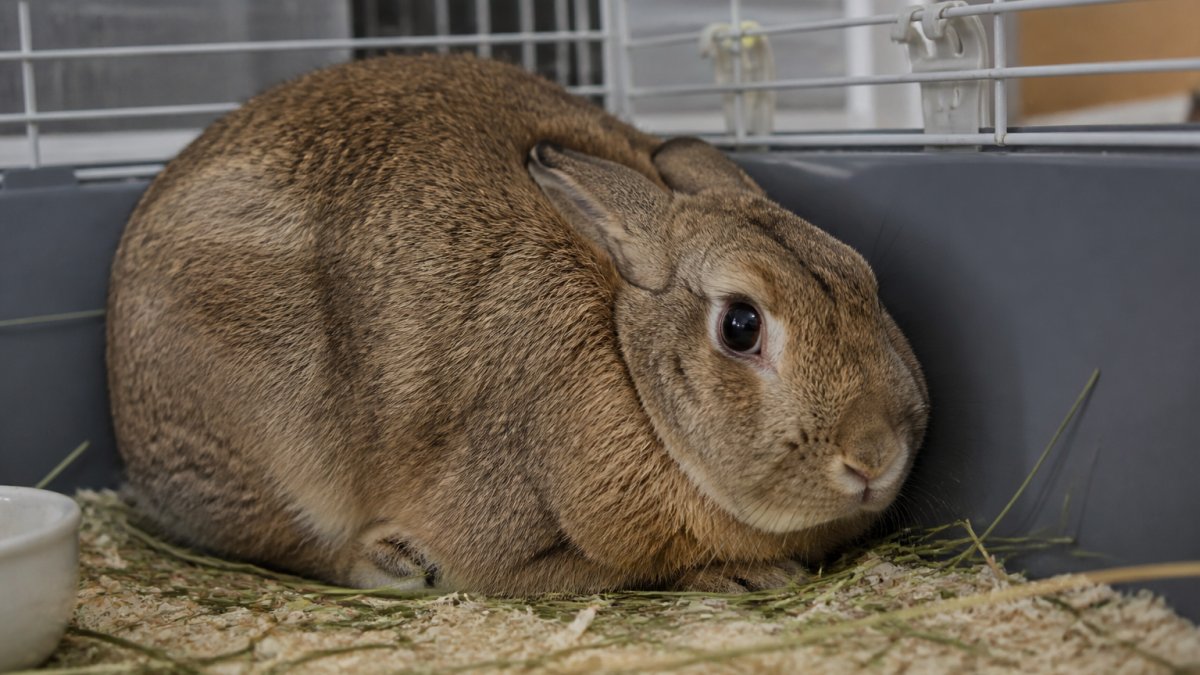
Ear position reveals emotion: pinned-back or flattened ears indicate fear or stress, while forward-facing ears suggest alertness and comfort.
Posture communicates stress clearly:
- Hunched body = fear or pain
- Stretched-out, relaxed posture = comfort
- Tense muscles throughout the body = anxiety
Stressed small pets may show a tightened mouth, narrowed eyes, or teeth.
Watch for these warning signs in your pet's face and body:
- Flattened or pinned ears
- Dilated pupils
- Tense facial muscles
Learning these signals lets you respond quickly: when you notice stress signs, check cage dimensions and enrichment.
When to Seek Veterinary Help
Some stress signs require professional attention. Know when to contact your veterinarian about stress in small pets.
Seek veterinary care if you observe:
- Prolonged appetite loss (more than 24 hours)
- Diarrhea or loss of bowel control
- Loss of bladder control or excessive urination
Your veterinarian rules out medical causes and confirms stress as the primary issue. They may recommend behavioral modifications or, in severe cases, medication to reduce anxiety during the transition to a larger enclosure. The Association of Exotic Mammal Veterinarians provides resources for finding specialists experienced with small pet stress and behavioral issues.
Document your pet's stress signs before the appointment, when behaviors started, triggers, and current cage dimensions, so your veterinarian can assess accurately.
Stress in small pets due to cage size is preventable and treatable. Pawsibly Everything offers spacious, durable enclosures designed specifically for small pets, like our Rolling Small Animal Cage with hideaway and enrichment features built in.
Frequently Asked Questions
What are the most common physical signs of stress in small pets?
Common physical signs include panting, trembling, excessive grooming or fur loss, loss of appetite, and rapid heartbeat. Stressed small pets may also show drooling, loss of bladder control, or overheating. These responses occur when your pet's body enters a fight-or-flight state due to anxiety from confinement or inadequate space.
Can a cage that is too small cause stress in small pets?
Yes, inadequate enclosure size is a major source of chronic stress. Small pets need sufficient space for natural behaviors like running, burrowing, and exploring. When confined to cages that are too small, they develop anxiety-like behavior, aggression, and physical stress responses. Upgrading to an appropriately sized habitat significantly reduces stress indicators.
How can I tell if my rabbit or guinea pig needs more space?
If your small pet shows pacing, hiding, restlessness, appetite loss, or refusal to take treats, these are clear signs the cage is too small. Check that your enclosure meets minimum dimensions: rabbits need at least 12 square feet of usable floor area, guinea pigs need 10.5 square feet per animal. Assess hideaway spaces, room for exercise, and enrichment opportunities in your current setup.
What enrichment options help reduce stress in small pet enclosures?
Environmental enrichment reduces anxiety by providing mental stimulation and opportunities for natural behaviors. Add tunnels, platforms, chew toys, and safe hiding spaces. Rotate toys regularly to maintain interest. Provide hay for foraging, branches for climbing, and materials for burrowing. A spacious enclosure like the 35x35x25-inch rolling cage offers hideaway spaces, ramps, and room for these enrichment items, helping minimize stress-related behaviors.

