

Cart
0

Table of Contents
- Why Safe Fish Tank Cleaning Matters
- Essential Components of a Safe Fish Tank Cleaning Kit
- How to Use an Aquarium Safe Glass Cleaner Without Scratching
- How to Clean Aquarium Gravel Safely and Preserve Beneficial Bacteria
- Fish Tank Water Change Frequency and Best Practices
- Chemical Safety and What to Avoid
- Common Cleaning Mistakes and How to Fix Them
- Recommended Safe Fish Tank Cleaning Kits
Last Updated: August 18, 2026
Why Safe Fish Tank Cleaning Matters
Fish live in a closed ecosystem where water quality directly determines survival. Standard household cleaners contain chemicals toxic to fish, while aggressive scrubbing damages tank surfaces and destroys beneficial bacteria that control ammonia and nitrite levels.
Safe fish tank cleaning uses tools and methods that remove waste and algae without introducing harmful substances or disrupting the biological filter. A proper safe fish tank cleaning kit protects your fish, preserves water quality, and makes maintenance faster than improvising with household items.

This guide walks you through every component of a safe fish tank cleaning kit and shows you exactly how to use them without compromising your tank's ecosystem.
Essential Components of a Safe Fish Tank Cleaning Kit
A complete kit includes four main categories: surface cleaners, substrate equipment, water treatment products, and maintenance accessories. Aquarium-grade tools are manufactured to avoid chemical residues that accumulate in water over time and are designed to work efficiently within confined tank spaces without damaging surfaces or fish.
Glass and Acrylic Surface Tools
Your tank material determines which surface cleaning tools are safe. Glass is durable and scratch-resistant; acrylic is lighter but more vulnerable to damage.
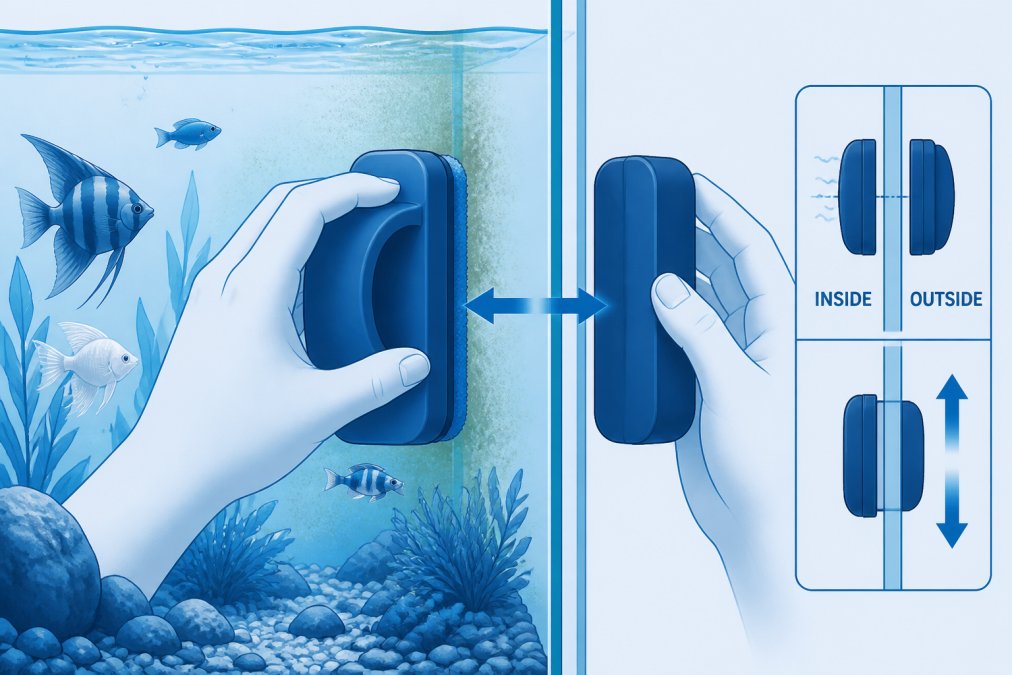
For glass tanks, magnetic algae scrapers use opposing magnets on either side of the glass to scrape algae without your hands entering the water. Manual scrapers with replaceable blades work well for stubborn buildup but require care to avoid scratching.
Acrylic tanks demand gentler treatment. Use magnetic cleaners with soft pads only; avoid blade scrapers entirely as they leave permanent scratches. Slow, deliberate movements matter more than speed.
The Magnetic Fish Tank Glass Cleaner from Pawsibly Everything is engineered with anti-scratch technology for both glass and acrylic surfaces. At $22.58, it eliminates manual scrubbing while keeping your hands out of the water entirely.
Substrate and Gravel Cleaning Equipment
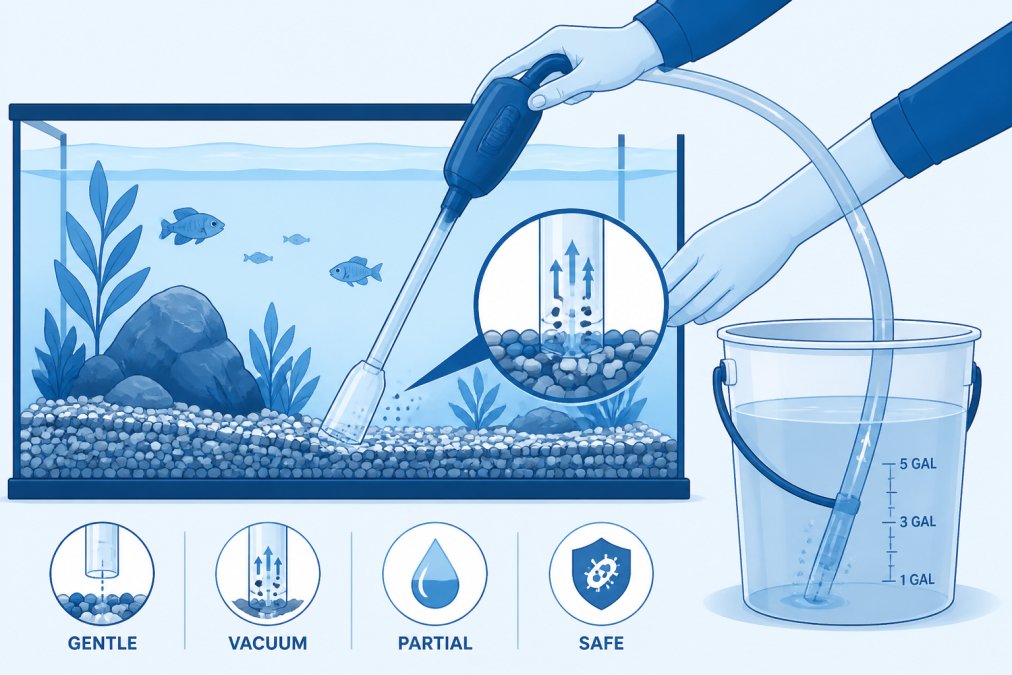
Aquarium substrate traps uneaten food, fish waste, and decaying matter that spike ammonia levels. A gravel vacuum removes debris while performing a partial water change. The key is maintaining proper flow rate, too fast disrupts beneficial bacteria colonies; too slow leaves debris behind.
Electric gravel cleaners automate this process with electronic flow control. The Electric Aquarium Gravel Cleaner Siphon from Pawsibly Everything ($22.00) includes multiple modes for different substrate types and tank sizes.

Water Treatment and Conditioners
Tap water contains chlorine and chloramine, toxic to fish. Water conditioners bind these chemicals and make water safe. Premium formulas also detoxify heavy metals, stabilize pH, and protect fish skin coating.
Water conditioners that include beneficial bacteria or bacterial stimulants help maintain the nitrogen cycle during cleaning when water is removed and replaced, a critical but often overlooked component of safe maintenance.
How to Use an Aquarium Safe Glass Cleaner Without Scratching
The most common mistake is applying too much pressure or using the wrong tool. Scratches reduce visibility and create crevices where algae spores lodge and multiply faster.
Magnetic vs. Manual Scrapers
Magnetic scrapers eliminate pressure problems because you control the scraper from outside the tank. The internal magnet follows your external magnet's movement, scraping algae without your hands entering the water and preventing cross-contamination.
Manual scrapers work better for thick algae buildup or hard water deposits but require entering the tank with a tool, introducing risk of slipping and scratching. They're best reserved for occasional deep cleaning, not routine maintenance.
For most aquarium owners, magnetic scrapers are safer for routine cleaning. The Magnetic Fish Tank Glass Cleaner from Pawsibly Everything glides smoothly across glass without catching or dragging, preventing micro-scratches that accumulate over months.
Step-by-Step Cleaning Process
Step 1: Prepare Your Tools Rinse your scraper with tank water before starting. Never use tap water directly on your scraper; chlorine residue can leach into your tank.
Step 2: Start at the Top Begin at the waterline and work downward. Algae particles naturally sink, so top-to-bottom prevents re-cleaning finished areas. Use smooth, deliberate strokes rather than circular motions.
Step 3: Apply Consistent Pressure With magnetic scrapers, maintain steady contact between magnets. With manual scrapers, use light to moderate pressure, you should hear soft scraping, not harsh grinding.
Step 4: Rinse as You Go After cleaning one section, rinse your scraper in tank water to remove accumulated algae.
Step 5: Check for Missed Spots View the glass from an angle under your aquarium light to reveal spots missed when viewing straight-on.
The entire process typically takes 5-10 minutes for a standard 20-gallon tank. Weekly cleaning prevents heavy algae buildup requiring aggressive scrubbing.
How to Clean Aquarium Gravel Safely and Preserve Beneficial Bacteria
Most aquarium owners vacuum gravel aggressively, destroying the substrate layer where beneficial bacteria live. These invisible bacteria convert toxic ammonia into less toxic nitrite, then into nitrate that plants consume or you remove during water changes.
Understanding Your Substrate Type
Sand compacts easily and can become anaerobic if you don't disturb it occasionally, but aggressive vacuuming destroys its structure. Gravel is more forgiving but still harbors beneficial bacteria in its pores.
Sand tanks need gentle, shallow passes with your siphon. Hover just above the surface and let water suction remove only loose debris. Don't push the siphon into the sand.
Gravel tanks tolerate slightly more aggressive cleaning. Push the siphon into the gravel only 1-2 inches deep, removing debris while leaving the deeper substrate layer where most beneficial bacteria live undisturbed.
Using a Gravel Vacuum Correctly
Electric gravel cleaners eliminate the coordination required for manual siphons. The Electric Aquarium Gravel Cleaner Siphon from Pawsibly Everything includes multiple suction settings, critical because different substrate types and tank sizes need different flow rates.
Step 1: Turn Off Equipment Shut down your filter and heater before starting to prevent debris-filled water from clogging filter media.
Step 2: Position the Intake Place the siphon intake just above your substrate. For sand, keep it barely touching the surface. For gravel, push it 1-2 inches deep into problem areas.
Step 3: Start at Low Suction Begin with the lowest suction setting. Watch how the substrate responds. You want to see debris moving into the intake tube, not gravel.
Step 4: Work Systematically Move the intake slowly across your substrate in overlapping passes. Spend extra time in corners and under decorations. Avoid areas directly around plant roots.
Step 5: Monitor Water Level Stop when you've removed 20-30% of the tank's volume, the standard water change amount that removes waste without shocking your fish.
Step 6: Refill with Treated Water Add back treated water at the same temperature as your tank. Temperature shock stresses fish and can trigger disease.
Step 7: Restart Equipment Turn your filter and heater back on. Wait 5 minutes before restarting air pumps or powerheads.
The entire process takes 15-20 minutes for a 20-gallon tank. Weekly cleaning maintains water quality without disrupting your beneficial bacteria colony.
Fish Tank Water Change Frequency and Best Practices
Water change frequency depends on your tank's bio-load, the amount of waste your fish produce. Most aquarium owners should aim for a 25-30% water change weekly. This removes accumulated waste without creating parameter swings that stress fish. Live plants help consume waste, potentially extending intervals between changes.
Consistency is key. Your fish adapt to routine. Sporadic changes create parameter spikes that stress fish. Weekly moderate changes create stable conditions fish thrive in.
Temperature matching is non-negotiable. Water more than 2-3 degrees different from your tank shocks fish and can trigger ich or other stress-related illnesses. Let replacement water sit for 30 minutes before adding it, or verify temperature with a thermometer.
Chemical Safety and What to Avoid
Some algae treatments contain copper, effective at killing algae but toxic to fish at high concentrations. Some water clarifiers contain aluminum compounds that accumulate in substrate. Some "beneficial bacteria" products don't survive in your tank's conditions.
Never use household cleaning products in or around your aquarium. Window cleaners, all-purpose sprays, and even vinegar leave residues that leach into water. Avoid sponges or brushes used for other purposes, they carry soap residue or chemical coatings.
Avoid any product that doesn't list ingredients clearly. Quality water conditioners and treatments list active ingredients and provide dosage instructions based on tank volume.
Remove activated carbon from your filter before using any chemical treatment. Carbon absorbs medications and treatments, rendering them ineffective. Replace it after treatment is complete.
Never mix different brands of water conditioner or treatment. If switching products, do a partial water change first to dilute the old product.
Common Cleaning Mistakes and How to Fix Them
Mistake: Cleaning the Filter During Water Changes
Your filter media contains beneficial bacteria that colonize during the first 4-6 weeks. Aggressive or frequent cleaning destroys the colony and spikes ammonia.
The fix: Rinse filter media only in water removed during your water change, using that same tank water to preserve bacteria. Replace media only when it's physically falling apart, typically 6-12 months depending on bio-load.
Mistake: Vacuuming the Entire Substrate Every Week
Aggressive substrate cleaning removes the beneficial bacteria layer that stabilizes your tank.
The fix: Vacuum only areas with visible debris buildup, usually 30-50% of your substrate. Let remaining areas rest to maintain your bacterial colony.
Mistake: Doing Large Water Changes to "Reset" the Tank
A 50-75% water change removes water containing beneficial bacteria and destabilizes parameters your fish have adapted to.
The fix: Do your normal 25-30% water change and address the root cause. If algae is blooming, reduce light duration or nutrient input. If ammonia is spiking, you're overfeeding or overstocked.
Mistake: Using Hot Water to Clean Decorations
Hot water warps plastic decorations and kills beneficial bacteria on their surfaces.
The fix: Clean decorations with tank water during your water change. If heavily soiled, soak them in tank water for 30 minutes before gently scrubbing with a soft brush. Never use soap or chemicals.
Mistake: Cleaning Before Testing Water Parameters
You can't know if your cleaning routine is working without testing water.
The fix: Test your water weekly before cleaning. Record results. After a month, you'll see patterns showing whether your routine maintains stable parameters or needs adjustment.
Recommended Safe Fish Tank Cleaning Kits
Focus on tools designed specifically for aquariums. Generic tools introduce hidden costs: fish disease from chemical residue, damaged tank surfaces, and disrupted beneficial bacteria causing water quality crashes.
The Magnetic Fish Tank Glass Cleaner from Pawsibly Everything is the foundation of any safe cleaning kit. At $22.58, it handles glass and acrylic surface cleaning without scratching or introducing chemicals.
The Electric Aquarium Gravel Cleaner Siphon from Pawsibly Everything ($22.00) automates substrate cleaning with multiple suction settings for different tank types.
Beyond these core tools, your kit should include:
- A water conditioner that removes chlorine and chloramine while detoxifying heavy metals
- A soft-bristled brush for cleaning decorations
- A thermometer to verify water temperature before refilling
- A water test kit to monitor ammonia, nitrite, nitrate, and pH weekly
- A bucket dedicated to aquarium use only
- Aquarium-safe sponges for gentle cleaning tasks
The total investment typically ranges from $60-100, a one-time investment lasting years. Compared to treating fish disease from poor water quality or replacing fish that die from cleaning-related stress, a proper kit is inexpensive insurance.
Maintaining a healthy aquarium requires understanding how your cleaning routine affects the invisible ecosystem of beneficial bacteria that keeps your fish alive. The right safe fish tank cleaning kit, combined with proper usage knowledge, transforms maintenance from guessing into a predictable, stress-free routine. Pawsibly Everything's magnetic glass cleaner and electric gravel vacuum eliminate the most common mistakes aquarium owners make, providing tools designed specifically for tank safety. Start with these core pieces, add a quality water conditioner, and test your water weekly. Your fish will reward you with vibrant health and years of enjoyment.
Frequently Asked Questions
What cleaning products are safe to use in a fish tank?
Only use products specifically formulated for aquariums. Avoid all household cleaners, bleach, and soaps like Dawn dish soap, even small residues are toxic to fish. Safe options include aquarium-specific glass cleaners, water conditioners that remove ammonia and chlorine, and dechlorinating products. When selecting a safe fish tank cleaning kit, verify all components are labeled non-toxic and ammonia-free. Never use anything containing harsh chemicals or surfactants that could damage your filtration system or harm the nitrogen cycle.
How often should I perform a water change with my cleaning kit?
Fish tank water change frequency depends on tank size and bioload. Most established tanks benefit from 25-30% water changes weekly. Heavily stocked tanks or those without strong filtration may need 50% changes twice weekly. New tanks cycling should have 25% changes every 3-4 days. Use a water conditioner during each change to remove chlorine and ammonia, protecting beneficial bacteria. Monitor water parameters, if ammonia or nitrite spike, increase change frequency. Your gravel vacuum removes debris during changes, helping maintain water quality between full cleanings.
Will cleaning my aquarium gravel kill the beneficial bacteria?
Gentle gravel cleaning preserves beneficial bacteria because most bacteria colonize filter media and tank surfaces, not the substrate itself. When you clean aquarium gravel safely using a gravel vacuum, you only disturb the top layer, beneficial bacteria deeper in the substrate remain intact. Avoid aggressive scrubbing or replacing all gravel at once. Perform partial cleanings during regular water changes rather than complete substrate overhauls. Use water conditioner when refilling to support the nitrogen cycle. If you must remove gravel, clean only 25-30% at a time, leaving the rest undisturbed.
Can I use vinegar or other household items to clean my fish tank?
No. Vinegar, bleach, and household cleaners leave chemical residue that harms fish and disrupts water chemistry. Even diluted solutions can damage the aquatic ecosystem and kill beneficial bacteria. Always use an aquarium safe glass cleaner specifically designed for tanks, these are formulated to rinse completely without toxic buildup. For stubborn algae on glass, a magnetic algae scraper or soft acrylic-safe tool works better than any chemical. Stick to products in your safe fish tank cleaning kit and avoid shortcuts with household items.
This article was written using GrandRanker

