

Cart
0
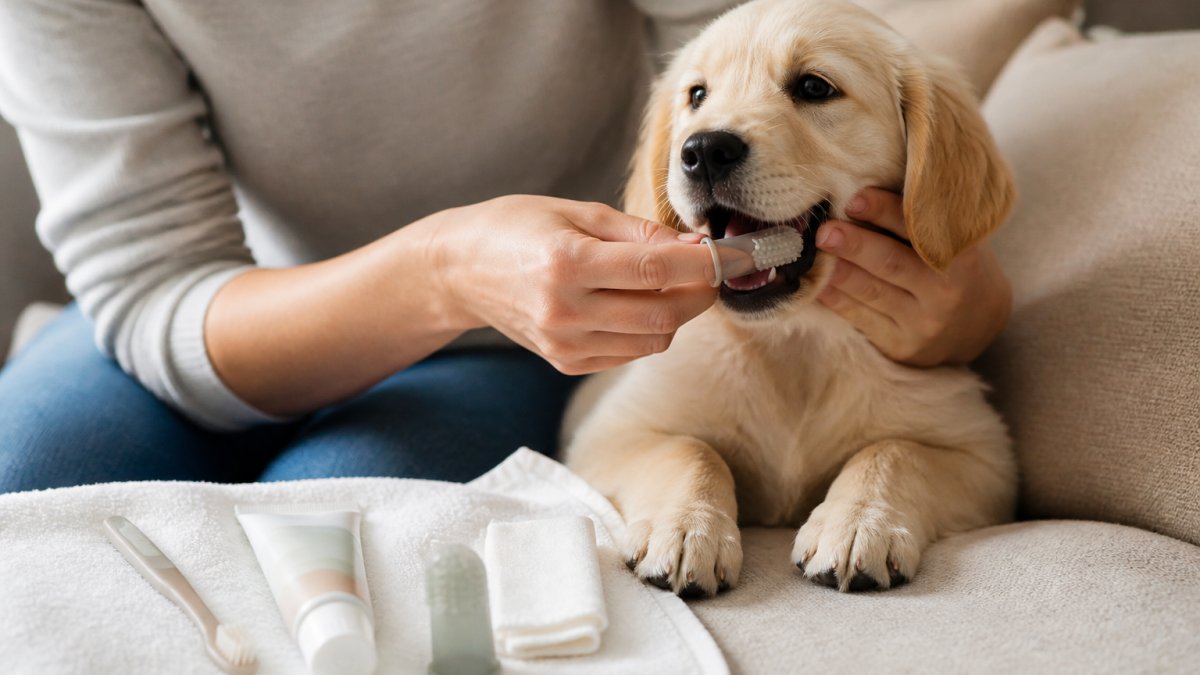
Table of Contents
- Why Puppy Dental Care Matters
- How to Brush Puppy Teeth: A Step-by-Step Guide
- Choosing Puppy Toothbrush and Toothpaste
- Understanding the Puppy Teething Timeline
- Signs of Dental Problems in Puppies
- Building a Daily Dental Routine That Sticks
- Dental Chews and Toys as Supplemental Care
- Conclusion
- Frequently Asked Questions
Last Updated: October 21, 2026
Why Puppy Dental Care Matters
Starting puppy dental care early sets your dog up for a lifetime of healthy teeth and gums. Many pet parents overlook oral hygiene until problems develop, but by then, damage has already occurred.
At Pawsibly Everything, we understand that new puppy owners juggle a lot. Feeding schedules, house training, socialization, dental care can feel like one more thing on an already full plate. But here's what makes it worth prioritizing: plaque and tartar buildup starts early.
Oral hygiene also builds a foundation for positive handling. When puppies get used to mouth handling and tooth brushing as part of their routine, they're less resistant to dental exams throughout their lives.
The investment you make now, a few minutes each day with a puppy-safe toothbrush and canine toothpaste, pays dividends for years to come. Puppies with healthy teeth chew better, eat more comfortably, and avoid the pain and behavioral issues that often accompany dental disease.
How to Brush Puppy Teeth: A Step-by-Step Guide
Getting Your Puppy Comfortable with Mouth Handling
Before you introduce a toothbrush, your puppy needs to feel safe with you touching their mouth. This is the foundation of everything that follows. Start by making mouth handling a positive, rewarding experience rather than something stressful.
Begin with short, gentle sessions. Use your finger to softly rub your puppy's gums and outer teeth surfaces for just 10-15 seconds. Immediately follow with a reward, a small treat, praise, or playtime.
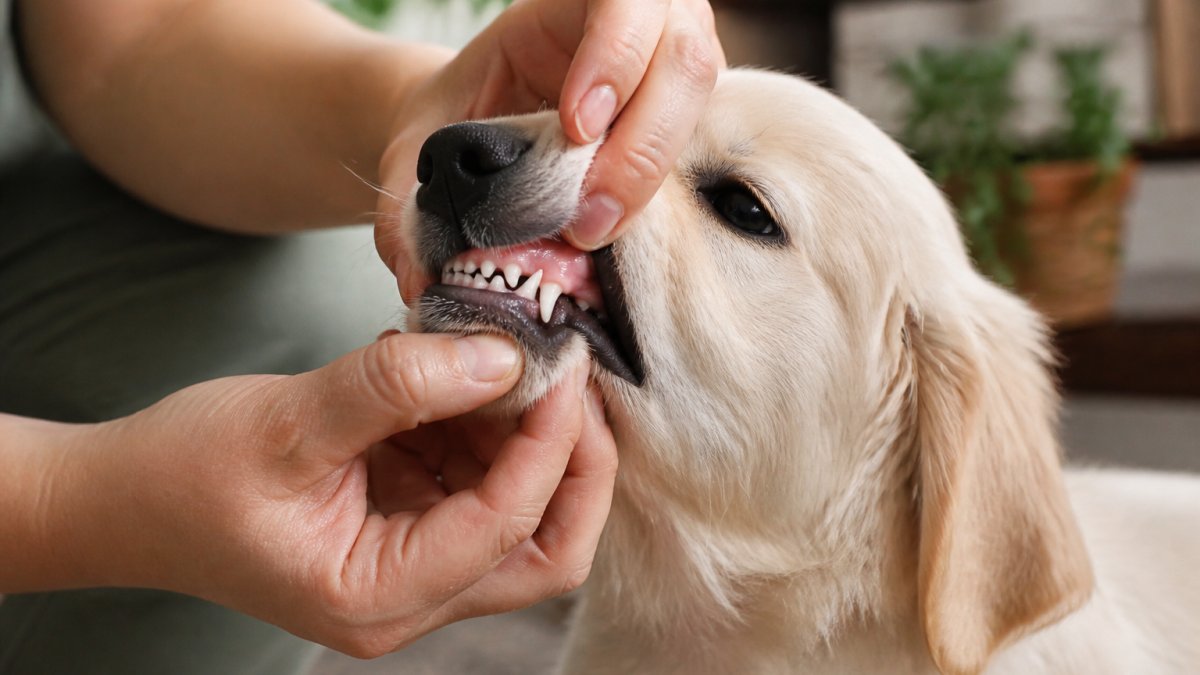
Gradually increase the duration as your puppy relaxes. Lift their lips gently to expose the teeth and gums. Let them get used to the sensation without any tools involved.
Watch for signs of comfort: relaxed ears, soft eyes, and a body that doesn't tense up. If your puppy seems anxious, back off and try again the next day. There's no rush.
Introducing the Toothbrush Gradually
Once your puppy accepts mouth handling, introduce the toothbrush slowly. Don't jump straight to brushing. Let your puppy see, smell, and lick the brush first. Many puppies are curious about new objects, and this curiosity works in your favor.
Apply a tiny amount of puppy-safe toothpaste to the brush and let your puppy lick it off. The flavor is usually appealing, most canine toothpastes taste like chicken, beef, or peanut butter. This creates positive associations before any actual brushing happens.
Next, gently touch the brush bristles to your puppy's outer teeth for just a second or two. Don't make any brushing motions yet. Simply let them feel the texture. Reward immediately. Repeat this step several times over a few days.
Only after your puppy accepts the brush touching their teeth should you begin gentle brushing motions. Start with just the outer surfaces of the front teeth. Keep sessions to 15-20 seconds. Gradually work toward the back teeth and longer sessions as comfort builds.
The Brushing Technique
Proper technique matters, but don't overthink it. You're not trying to achieve a dental hygienist's results, you're removing plaque and building a habit.
Hold the toothbrush at a 45-degree angle to the gum line. This angle helps the bristles reach just below the gum where plaque accumulates most. Use gentle, circular motions rather than aggressive back-and-forth scrubbing. The goal is soft and consistent, not forceful.
Focus on the outer surfaces of the teeth. These are where plaque builds up fastest and where your puppy can tolerate brushing most easily.
Aim for 30-60 seconds of actual brushing time. This is enough to make a real difference without overwhelming your puppy. As your puppy grows more comfortable, you can extend to 60-90 seconds.
Don't worry if your puppy swallows some toothpaste. Puppy-safe toothpaste is formulated to be non-toxic if ingested. That said, try to minimize swallowing by gently holding their mouth closed for a few seconds after brushing, allowing the toothpaste to do its job.
Choosing Puppy Toothbrush and Toothpaste
Selecting the Right Toothbrush
Puppy mouths are small and sensitive. A full-sized human toothbrush is too large and too stiff. Look for a toothbrush specifically designed for puppies, these have smaller heads and softer bristles.
You have two main options: a traditional small puppy toothbrush or a finger brush. A finger brush slides over your finger like a small cap with short bristles on the tip. Many puppies find finger brushes less intimidating because they're closer to your hand, which they already trust. The trade-off is slightly less brushing surface.
The TV New Product Dog Tooth Brush from Pawsibly Everything offers an excellent starting point. Made from soft silicone, it's designed specifically to clean teeth without causing discomfort. The gentle material is perfect for puppies transitioning to their brushing routine, and the size fits a puppy's mouth comfortably.

Whichever style you choose, prioritize softness. Hard bristles can damage a puppy's delicate gums and create negative associations with brushing. Replace your toothbrush every 3-4 months or sooner if bristles become frayed.
Using Canine Toothpaste, Not Human Toothpaste
This is non-negotiable: never use human toothpaste on your puppy. Human toothpaste contains fluoride and xylitol, both of which are toxic to dogs. Even small amounts can cause serious health problems.
Puppy-safe toothpaste is formulated without these harmful ingredients. It's designed to be swallowed safely and often contains enzymes that help reduce plaque naturally. The flavor is appealing to dogs, which makes the brushing experience more positive.
Look for toothpaste that's specifically labeled for puppies or dogs. The ingredients should be clearly listed, and you should recognize most of them. If you're unsure about a product, check with your veterinarian before using it.
Understanding the Puppy Teething Timeline
Puppies are born without visible teeth. Their baby teeth emerge around 3-5 weeks of age. By 8 weeks, most puppies have a full set of 28 baby teeth. These temporary teeth serve an important purpose but are eventually replaced.
Around 3-4 months of age, permanent teeth begin pushing through. This is when teething discomfort typically peaks. Your puppy may drool more, chew more aggressively, and show signs of sore gums.
TV new product dog tooth brush →
By 6-7 months, most puppies have all 42 permanent adult teeth. The transition from baby teeth to adult teeth is largely complete, though some retained baby teeth can occasionally linger.
During the teething phase, provide appropriate chew toys to relieve discomfort. Cold toys are particularly soothing, you can refrigerate rubber toys before offering them. Avoid hard toys that can fracture emerging teeth.
Dental chews designed for puppies can help during teething. The Chew Toys For Dog Teeth Cleaning from Pawsibly Everything are made from TPR material that's safe and has enough bite resistance without damaging developing teeth.

Signs of Dental Problems in Puppies
Most puppies develop healthy teeth with proper care, but it's important to recognize warning signs. Early detection prevents small issues from becoming serious problems.
Watch for these red flags:
- Bad breath that's stronger than typical puppy breath
- Difficulty eating or favoring one side of the mouth
- Excessive drooling beyond normal teething drool
- Swollen or bleeding gums
- Retained baby teeth that haven't fallen out by 7 months
- Visible tartar or discoloration on teeth
- Pawing at the mouth frequently
- Reluctance to chew toys or eat hard kibble
If you notice any of these signs, schedule a veterinary examination. Your vet can identify issues like baby teeth not falling out properly, bite problems, or early gum disease. Addressing these early prevents complications that require more extensive treatment later.
Some breeds are predisposed to dental problems. Smaller breeds often have crowded teeth that trap more plaque. Flat-faced breeds sometimes have bite misalignments. If your puppy falls into a higher-risk category, extra attention to dental care pays off significantly.
Building a Daily Dental Routine That Sticks
Consistency beats intensity. Five minutes of daily brushing does far more than an occasional deep cleaning attempt.
Pick a specific time each day. Many pet parents find success brushing right before bed or after morning walks. The exact time matters less than doing it at the same time every day.
Keep your supplies in one accessible location. Having your toothbrush, toothpaste, and treats ready to go removes friction.
Make it rewarding. Always follow brushing with something your puppy enjoys, a favorite treat, a few minutes of play, or a walk. This positive association means your puppy starts to anticipate brushing rather than dread it.
Track your progress with a simple calendar. Mark off each day you brush. Seeing a visual record of consistency is motivating, and it helps you spot patterns if you're slipping.
Here's a practical routine structure:
| Time | Action | Duration |
|---|---|---|
| Evening | Gentle mouth handling (if still building comfort) | 5-10 minutes |
| Evening | Brush outer teeth surfaces | 30-60 seconds |
| Evening | Offer dental chew or toy | 10-15 minutes |
| Evening | Reward with praise or treat | Immediate |
Don't aim for perfection. If you miss a day, brush the next day and move on. Consistency over weeks and months matters far more than any single session.
Dental Chews and Toys as Supplemental Care
Brushing is the gold standard, but it's not the only tool. Dental chews and toys provide supplemental cleaning and help maintain healthy teeth between brushing sessions.
Dental chews work by the physical action of chewing. As your puppy works the chew, the texture scrapes away plaque. Some chews also contain ingredients that help reduce plaque naturally.
The Spiked Dog Chew Toy Stick Dental Cleaning Toy from Pawsibly Everything combines play and dental care. The rubber spikes massage gums and scrape away plaque while your puppy chews.

Toys that encourage chewing are equally valuable. Rope toys, rubber toys, and puzzle toys all promote the chewing action that helps keep teeth clean.
The Dog Treat Dispenser Ball Toy from Pawsibly Everything serves double duty. The textured surface cleans teeth as your puppy plays, while the treat-dispensing feature keeps them mentally stimulated.
Avoid hard toys that could fracture developing teeth. Rawhide chews, while popular, can be choking hazards and don't provide the same dental benefits as modern alternatives.
Pro Tip
Rotate dental toys and chews every few days to maintain your puppy's interest. A toy your puppy ignored last week suddenly becomes fascinating again after a break, keeping them engaged and their teeth clean.
Conclusion
Puppy dental care isn't complicated, but it does require consistency. Starting early with gentle mouth handling, introducing a puppy-safe toothbrush and toothpaste, and building a daily routine sets your dog up for a lifetime of healthy teeth and gums. The few minutes you invest each day prevents costly dental problems, painful tooth loss, and infections that affect overall health.
At Pawsibly Everything, we believe every puppy deserves access to quality dental care tools. Our selection of puppy-safe toothbrushes, dental chews, and interactive toys makes it easy to build a routine that works. From the gentle silicone design of our TV New Product Dog Tooth Brush to the engaging dental benefits of our treat dispenser toys, we've curated products that support your puppy's oral health from day one. Start your puppy's dental care journey today and watch them grow into a healthy, happy adult with a bright smile.
Frequently Asked Questions
At what age should I start puppy dental care?
Start introducing your puppy to mouth handling and dental care habits around 3 to 4 weeks old, even before baby teeth fully emerge. Begin with gentle finger massages on the gums, then progress to a soft toothbrush around 8 weeks. Early exposure makes puppies more comfortable with brushing as adult dogs. Professional veterinary dental checks should begin at your puppy's first wellness visit.
How often should I brush my puppy's teeth?
Aim for daily brushing to establish a strong habit and maximize plaque prevention. Even 2 to 3 times weekly provides benefit if daily brushing isn't possible. Consistency matters more than frequency, a regular routine prevents plaque and tartar buildup better than sporadic sessions. Pair brushing with positive reinforcement to keep your puppy engaged and willing.
What signs indicate dental problems in puppies?
Watch for bad breath, swollen or red gums, retained baby teeth alongside adult teeth, difficulty eating, drooling excessively, or pawing at the mouth. Bleeding gums or visible plaque warrant a veterinary examination. Some puppies experience pain during teething; if your puppy stops eating or seems in distress, contact your veterinarian. Early detection prevents serious dental disease.
Can I use human toothpaste on my puppy?
Never use human toothpaste on puppies, it contains fluoride and xylitol, both toxic to dogs. Canine toothpaste is formulated to be safe if swallowed and often comes in flavors puppies enjoy, like poultry or beef. Enzymatic toothpastes designed for dogs actively reduce plaque and freshen breath. Always choose products labeled specifically for canine use to protect your puppy's health.

