

Cart
0
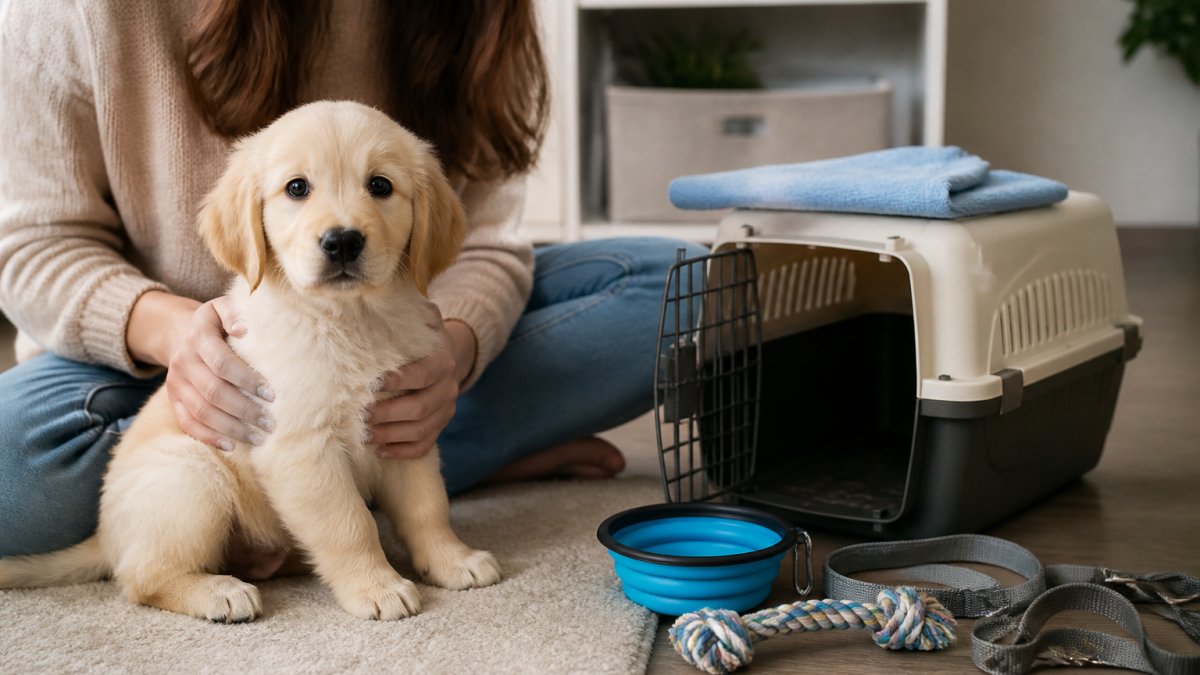
Table of Contents
- Why the First Vet Visit Matters and When to Schedule It
- Your Puppy First Vet Visit Checklist: What to Bring
- What to Expect at Your Puppy's First Vet Visit
- How to Calm a Puppy at the Vet: Fear-Free Preparation
- Puppy Vet Visit Questions to Ask
- Managing Incomplete Vaccinations and Illness Before the Visit
- After the Appointment: Follow-Up Care and Next Steps
- Frequently Asked Questions
Last Updated: October 22, 2026
Why the First Vet Visit Matters and When to Schedule It
Knowing how to prepare a puppy for their first vet visit starts with one fact: it is a full health baseline, not just a quick shot appointment.
At Pawsibly Everything, we talk with new puppy parents every day, and the same worry comes up again and again: "Is it too soon?" It is not.
Here is the timeline we recommend:
- Day 1: Call the clinic and book the first appointment. Ask whether they have a separate entrance or quiet hours for puppies with incomplete vaccinations.
- Days 1-2: Collect every record you have from the breeder, shelter, or rescue. Photograph each page and store it in one folder or app so nothing gets lost.
- Day 2-3: Visit the clinic just to say hello and get a treat. Keep it under five minutes and leave before your puppy gets tired.
- Day 3-7: Attend the full first appointment. Bring the records, a stool sample if the clinic requests one, and your written questions.
Many vets follow vaccination guidelines from the American Animal Hospital Association, which lay out the core vaccine schedule most puppies follow.
Pro Tip
Book the first visit for a quiet weekday morning. Clinics are calmer then, and your puppy meets fewer barking dogs in the waiting room.
A Practical Booking and Preparation Schedule
Use this schedule to work backward from appointment day. It turns a vague to-do list into a sequence you can actually follow.
One week before (or as soon as you bring your puppy home):
- Call at least two clinics and ask about new-puppy appointments, wait times, and whether they use fear-free handling techniques.
- Confirm what records they need and whether they want a stool sample brought in.
- Ask about their policy for puppies with incomplete vaccinations, some clinics schedule these visits at quieter times or use a side entrance.
Three days before:
- Gather all medical records, medication labels, and diet details into one folder.
- Write your questions down. Spoken questions get forgotten in the exam room.
- Confirm the appointment time and ask how early to arrive for paperwork.
The night before:
- Pack the carrier, leash, treats, comfort towel, records, and payment method.
- Set out the carrier with the door open so your puppy can sniff and settle in it overnight.
- Charge your phone and save the clinic's number.
The morning of:
- Feed your puppy a normal meal unless the clinic tells you otherwise.
- Take a short walk to empty the bladder and bowels before the car ride.
- Leave early enough to arrive five to ten minutes ahead without rushing.
When to Call the Clinic Before the Appointment
Call ahead if your puppy has vomiting, diarrhea, coughing, low energy, or a known exposure to a sick dog. The clinic may ask you to use a side entrance, wait in the car until called, or reschedule.
If your puppy came from a shelter or rescue, ask whether the clinic has a relationship with that organization. Some shelters partner with local vets for discounted first exams or already-forwarded records, which can save you a phone call and a duplicate vaccine.
Your Puppy First Vet Visit Checklist: What to Bring
A complete puppy first vet visit checklist covers records, comfort items, and safety gear. Pack these the night before so the morning stays calm:
- All medical records from the breeder, shelter, or rescue
- A written list of what your puppy eats and how much
- Any medications or supplements your puppy takes
- A leash and collar or harness that fits well
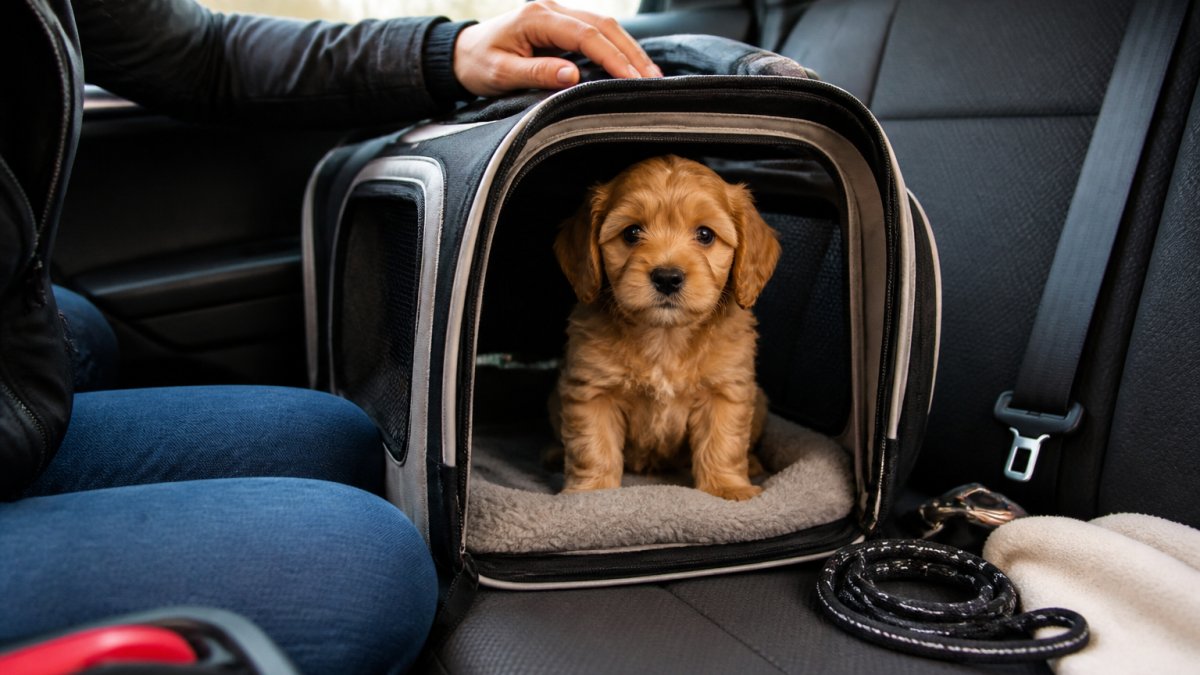
Our Pet Travel Carrier Bag checks most boxes on its own. It has seatbelt straps, locking safety zippers, and a removable, washable pad, so the ride there and back stays safe and clean. For small breeds, the Portable Pet Mesh Carrier Bag keeps air moving with its mesh design.


What to Expect at Your Puppy's First Vet Visit
Expect a physical examination, a health history review, and a talk about vaccines and parasite prevention. The whole visit usually takes 30 to 45 minutes.
The vet will check your puppy from nose to tail:
- Weight and growth: a starting number to track against.
- Heart and lungs: listening for murmurs or breathing issues.
- Temperature: a quick rectal reading.
- Ears, eyes, and nose: looking for discharge or irritation.
Bring your health history and medical records. Without them, the vet may repeat vaccines that were already given. Deworming and parasite prevention usually start here too, often with a fecal test.
How to Calm a Puppy at the Vet: Fear-Free Preparation
A calm puppy at the vet is a prepared puppy, and knowing how to prepare a puppy for their first vet visit is the fastest route there.
Step-by-Step Fear-Free Acclimation Plan
Work through these steps over three to five days before the appointment. Move at your puppy's pace and repeat any step that causes hesitation.
- Practice handling at home. Touch paws, ears, and mouth for a few seconds, then give a treat. Do this two or three times a day. Keep sessions under a minute so your puppy stays interested.
- Introduce the carrier as a good place. Leave the carrier open on the floor with a treat inside. Let your puppy walk in and out freely. Feed a meal or two near the carrier so it becomes ordinary.
- Take a short car ride. Drive around the block and return home. Reward your puppy for settling. This separates the car from the vet before the two are linked.
- Make a practice visit to the clinic. Stop by for a weigh-in and a treat, then leave. No exam. Keep it under five minutes. If your clinic allows it, ask the front desk to hand over a treat so the lobby becomes a place where good things happen.
- Reward calm, not fear. Use positive reinforcement with small treats and a quiet voice. If your puppy shivers or pulls back, pause and add distance rather than pushing through.
- Bring a familiar towel. A blanket that smells like home helps your puppy relax in the exam room.
- Use a chew toy as a distraction. It gives your puppy a job during waiting time and competes with the sounds of other dogs.
- Keep your own energy low. Puppies read your mood fast. Slow breathing and a relaxed leash hand do more than repeated reassurance.
Handling Exercises That Pay Off in the Exam Room
Vets and technicians handle puppies in predictable ways. Practicing those touches at home makes the real exam faster and less stressful.
- Ear checks: Lift each ear flap gently and look inside for two seconds, then treat.
- Mouth checks: Lift the lip to look at teeth and gums, then treat. Do not pry the mouth open.
- Paw handling: Hold each paw for a few seconds as if checking pads, then treat.
- Standing still: Reward your puppy for standing calmly on a table or a non-slip surface for five seconds.
A common pattern is that puppies who practice these touches at home settle faster during the physical exam and need less restraint, which makes the visit safer for everyone.
The Pet chest strap dog leash uses breathable mesh fabric that stays comfortable in a warm waiting room.

Watch Out
Never skip the carrier and carry your puppy in your arms through the lobby. A startled puppy can slip free, and an unvaccinated puppy should not meet unknown dogs nose to nose.
What to Do If Your Puppy Is Already Fearful
If your puppy panics in the car or the lobby, do not force the full visit. Call the clinic and ask whether they can do a curbside check-in, use a side entrance, or schedule a quieter time. Some clinics offer a "happy visit" slot where the puppy comes in only for treats and handling with no exam. Ask for one before the real appointment if your puppy is especially nervous.
Puppy Vet Visit Questions to Ask
Write your puppy vet visit questions down before you go. Spoken questions get forgotten in the exam room.
Ask these:
- How much should my puppy weigh at each stage?
- Which vaccines are due next, and when?
- What deworming and parasite prevention schedule do you advise?
- How much food, and how often?
For food and diet, bring the exact brand and amount. Vets give better answers when they know what is already in the bowl.
Managing Incomplete Vaccinations and Illness Before the Visit
A puppy with incomplete vaccinations can still go to the vet. In fact, that is exactly who needs the visit most. Call ahead and tell the clinic your puppy's vaccine status and any symptoms, so they can guide you to a safe entrance.
Follow these rules:
- Skip public dog areas. No parks, pet store floors, or puppy classes until your vet clears it.
- Carry your puppy in a carrier. Keep paws off shared ground.
- Call before you arrive if your puppy is sick. Vomiting, diarrhea, coughing, or low energy needs a phone call first.
- Keep the carrier clean. Wash the pad between visits.
A puppy with diarrhea or vomiting may need a different appointment type or a side entrance. Clinics plan for this every day.
After the Appointment: Follow-Up Care and Next Steps
The work continues after you leave the clinic. Put the next appointment on your calendar before the day gets busy.
Do these things:
- Book the follow-up appointment for the next vaccine round.
- File the medical records in one folder or app.
- Set reminders for deworming and parasite prevention doses.
- Watch for mild reactions after vaccines, such as sleepiness, and call the vet if anything worries you.
Preventive care is a routine, not an event. Consistent food, rest, and a comfortable bed help your puppy recover from the excitement of the day. A cozy, plush bed gives a tired puppy a place to settle, and it makes the next vet trip easier to plan.
Key Takeaway
The best-prepared puppies are not the calmest by nature. They are the ones whose owners practiced handling, booked early, and brought the records.
Frequently Asked Questions
What do I need to bring to my puppy's first vet visit?
Bring any medical records from the breeder, shelter, or rescue, including vaccination and deworming history. Pack a secure carrier or crate with a familiar blanket, a leash and collar or harness, and a few small treats for rewards. Also bring a list of questions and notes on your puppy's diet, appetite, bathroom habits, and any health concerns. A chew toy can help keep your puppy distracted during the appointment.
When should a puppy have their first vet visit?
Schedule the first vet visit within 48 to 72 hours of bringing your puppy home, ideally before they meet other animals or visit public spaces. Puppies typically start their vaccine series at 6 to 8 weeks of age, so an early appointment lets your veterinarian check their health history, set a vaccine schedule, and start parasite prevention. If your puppy came from a breeder or shelter, ask for their records before the visit.
How can I keep my puppy calm at the vet?
Use a secure carrier or crate with a familiar blanket, and place a towel over it to reduce visual stress. Bring high-value treats and a chew toy for positive reinforcement. Arrive a few minutes early so your puppy can settle, and ask the staff if you can wait in a quieter area. Handle your puppy gently at home before the visit, and keep the experience calm and rewarding so they learn the clinic is safe.
What questions should I ask at my puppy's first vet visit?
Ask about the vaccine schedule and which vaccines your puppy needs next, deworming and parasite prevention plans, and how to manage incomplete vaccination status around other dogs. Also ask about feeding amounts and diet, weight and growth tracking, and signs of illness to watch for. Confirm when to schedule the next appointment and whether a follow-up visit is needed for boosters or health checks.
Getting a puppy ready for that first exam takes planning, but the payoff lasts for years. At Pawsibly Everything, we stock the carriers, leashes, and comfort items that make the trip calmer for both of you. Our soft-sided carriers keep your puppy secure in the car, our mesh harnesses stay cool in the waiting room, and our plush beds give your puppy a soft place to rest afterward. Get started with Pawsibly Everything and make every vet visit a little easier.

