

Cart
0
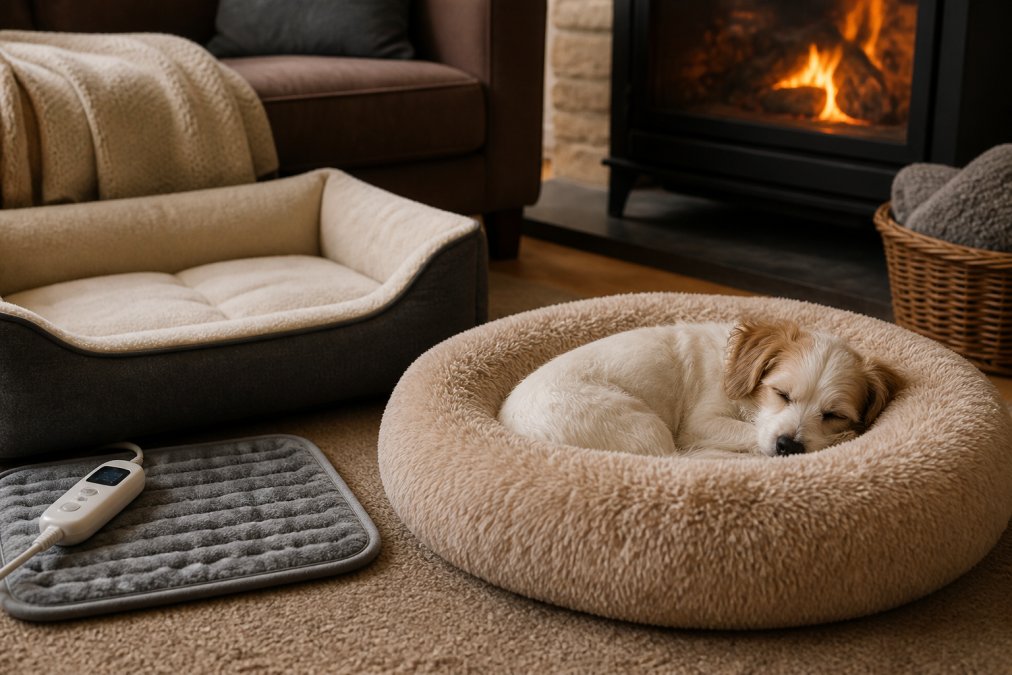
Table of Contents
- Why Heated Pet Beds Matter for Winter Comfort
- Self-Heating vs Electric Pet Beds: Which Works Better
- Best Orthopedic Beds for Senior Dogs
- Heated Pet Bed Safety Standards and Features
- Top Heated Pet Beds for Winter 2026
- Comparison Table: Features and Pricing
- How to Choose the Right Size and Style
- Cleaning and Maintenance for Durability
- Frequently Asked Questions
Last Updated: September 3, 2026
Why Heated Pet Beds Matter for Winter Comfort
Winter brings real challenges for pets, especially seniors and those with joint issues. A heated pet bed manages pain, improves circulation, and helps your companion sleep through cold nights without stiffness or discomfort the next morning.


Cold weather affects pets differently than humans. Pets lose body heat faster, especially small breeds and those with thin coats. When temperatures drop, arthritic joints stiffen, circulation slows, and sleep quality suffers. Many pet owners notice their older dogs become less active in winter or restless at night, physical responses to cold and joint pain, not behavioral changes.
At Pawsibly Everything, we understand that heated pet beds can help address this problem. They can maintain consistent warmth throughout the night, potentially reducing inflammation in aging joints and helping your pet wake up mobile rather than stiff. The thermal insulation can help keep your pet's body heat contained, while orthopedic support can provide joint dysplasia relief that senior pets may need.
Young puppies also benefit from heated beds during winter months, as their body temperature regulation isn't fully developed. Anxious pets may respond well to heated bedding; the consistent warmth can have a calming effect similar to swaddling.
Pro Tip
The ideal bed temperature for most pets is 101-103°F, which mimics the warmth of snuggling against another animal ([aaha.org](https://www.aaha.org/resources/beyond-the-basics-heat-safety-tips-for-pet-owners/)).
Self-Heating vs Electric Pet Beds: Which Works Better
The market offers two main heating technologies: self-warming beds that use your pet's own body heat through reflective materials, and electric heated beds that provide active warmth.
Self-warming beds use a Mylar reflective layer to trap and reflect your pet's body heat back to them. They require no electricity, cords, or safety concerns about overheating. They work well for pets in moderately cool environments and owners who prefer a passive solution. However, a very thin, elderly dog with poor circulation may not find self-warming beds effective enough during harsh winter conditions.
Electric heated beds deliver active warmth through heating elements built into the mattress, maintaining consistent temperature regardless of how much heat your pet produces. This makes them suitable for severe winter climates, pets with circulation problems, and those recovering from surgery or illness. Electric beds require a power outlet, a chew-proof cord, and attention to safety features like overheat protection and automatic shutoff timers.
Watch Out
Electric [pet bed](/products/winter-cat-nest-plush-warm-pet-bed) cords must be secured away from chewers. A pet that chews through a live heating cord risks electrocution. Always inspect cords weekly for damage and consider cord covers if your pet is a known chewer.
For many winter use cases, electric heated beds can provide reliable, consistent warmth independent of external conditions.
Best Orthopedic Beds for Senior Dogs
Senior dogs with arthritis, hip dysplasia, or joint pain need beds that combine warmth with structural support. Orthopedic support means the bed conforms to your dog's body, distributing weight evenly and reducing pressure on painful joints. This includes memory foam or high-density foam layers that support the spine and hips.
The best orthopedic beds for senior dogs have raised edges that provide head and neck support, deep cushioning that prevents your dog from feeling the floor beneath, and non-slip bases that prevent sliding when your senior dog climbs in or out. Many seniors have mobility issues, so a bed that stays put matters for safety.
Look for beds made from memory foam combined with plush outer fabrics, with the memory foam layer at least 2-3 inches thick. Hypoallergenic materials matter too, as older dogs often develop skin sensitivities.
A heated orthopedic bed addresses both needs simultaneously: the warmth reduces inflammation and improves circulation, while the orthopedic structure supports compromised joints.
Heated Pet Bed Safety Standards and Features
Safety is non-negotiable with electric pet beds. Your pet spends 12-16 hours per day on this bed, so any defect becomes a serious hazard (aaha.org).
Overheat protection is mandatory. Quality heated beds include automatic shutoff if the temperature exceeds a safe threshold, or thermostatic controls that prevent the bed from exceeding 104°F (ul.com). Look for beds that explicitly state their maximum temperature and safety cutoff point.
Cord safety and chew-resistance matter significantly. The power cord should be thick-gauge, well-insulated, and routed away from your pet's sleeping area. Some beds include reinforced cords or protective sleeves. If your pet is a chewer, consider additional cord covers or secure the cord along the wall where your pet can't access it.
Water-resistant covers prevent damage from accidents. Puppies, incontinent seniors, and pets with urinary incontinence need beds with removable, washable covers that protect the heating element underneath. The cover should be machine washable.
Safety certification from recognized testing organizations matters. Look for beds tested to UL (Underwriters Laboratories) standards or equivalent safety certifications.
Low-voltage heating systems are safer than high-voltage alternatives. Some premium beds use low-voltage (under 24V) heating elements, which can reduce electrocution risk if the cord is damaged.
Top Heated Pet Beds for Winter 2026
Pet Plush Winter Warm Bed
The Pet Plush Winter Warm Bed from Pawsibly Everything delivers reliable warmth in a simple, durable design. Available in eight colors and nine sizes (40cm to 120cm diameter), this bed fits every pet from toy breeds to large dogs. The cloth material is soft underfoot and holds warmth effectively, while the circular design with raised edges provides security and neck support older pets need.
At $40.50, this bed offers excellent value for winter heating. It's a self-warming design that works through insulation and heat reflection, meaning no cords, no electricity costs, and no safety concerns about overheating. For pets in moderate climates or as a supplemental bed, this performs well.
The size range is a genuine advantage, allowing you to match the exact dimensions your pet needs.
Pros: Affordable, no electrical hazard, wide size selection, soft plush material, easy to clean
Cons: Self-warming only, won't provide active heat in very cold climates, no orthopedic foam layer
Best For
Pet owners in mild climates or those seeking an affordable supplemental bed for winter. Best for anxious pets who benefit from the enclosed nest design.
Pet Long Plush Warm Bed
The Pet Long Plush Warm Bed combines donut-style comfort with practical materials. Made from warm PP cotton and Arctic fleece, this circular bed works for both cats and dogs. The donut shape with raised edges provides head and neck support, while the plush interior creates an inviting nest.
At $38.89, it's competitively priced and available in four sizes (45cm to 65cm diameter) with weight recommendations from 4kg up to 15kg. The Arctic fleece lining adds insulation, helping retain your pet's body heat throughout the night.
Pros: Affordable, suitable for cats and dogs, Arctic fleece provides good insulation, simple maintenance, no electrical risks
Cons: Self-warming only, limited size range, no orthopedic support
Soft Thick Cotton Plush Round Pet Bed
This bed prioritizes comfort and joint support at an exceptional price point. Made from high-quality plush with no pilling, the material resists shedding and maintains its soft texture through multiple washes. The raised rim creates security and provides head and neck support, critical for senior pets.
At $19.02, this is the most affordable option in Pawsibly Everything's lineup. The super-soft filling offers joint and muscle pain relief through cushioning, though it's not a true memory foam orthopedic design.
Pros: Lowest price, high-quality plush material, attractive design, good cushioning, easy to clean
Cons: Not electric heated, limited orthopedic support, not ideal for severe joint pain
Winter Cat Nest Plush Warm Pet Bed
Designed specifically for cats, this nest-style bed provides the enclosed security felines prefer during winter. Available in four sizes (45cm to 63cm) and multiple colors, it creates a den-like environment that reduces stress and anxiety.
At $98.50, this premium option justifies its price through specialized design. The nest shape with tall sides acknowledges that cats need privacy and enclosure. Multiple color options mean you can match your home décor while providing your cat with a winter refuge.
Pros: Designed for cat behavior and preferences, tall sides provide privacy, attractive design options, good insulation
Cons: Cat-specific only, not electric heated, premium pricing
Removable and Washable Plush Warm Pet Bed
This design puts maintenance front and center. The removable, washable cover protects the bed from accidents, dirt, and odors while keeping cleanup simple. Available with pink, gray, or beige corduroy backrests in medium and large sizes, this bed balances style with practicality.
At $65.86, it sits in the mid-to-premium range. The removable cover is the standout feature, you can wash it independently from the bed structure, extending the life of the entire product significantly. For households with puppies, incontinent seniors, or multiple pets, this feature justifies the price.
Pros: Removable, machine-washable cover, extends bed lifespan, corduroy backrest adds durability, practical for messy households
Cons: Not electric heated, self-warming design only, limited size options
Comparison Table: Features and Pricing
| Bed Name | Price | Heating Type | Best For | Key Feature | Size Range |
|---|---|---|---|---|---|
| Pet Plush Winter Warm | $40.50 | Self-warming | Budget-conscious owners | 9 size options | 40-120cm |
| Pet Long Plush Warm | $38.89 | Self-warming | Cats & dogs | Arctic fleece lining | 45-65cm |
| Soft Thick Cotton Plush | $19.02 | Self-warming | Budget buyers | Affordable comfort | Multiple sizes |
| Winter Cat Nest | $98.50 | Self-warming | Indoor cats | Enclosed nest design | 45-63cm |
| Removable & Washable | $65.86 | Self-warming | Messy households | Machine-washable cover | M, L |
How to Choose the Right Size and Style
Measure your pet from nose to tail when fully stretched, then add 6-12 inches to that measurement. A bed should be large enough for your pet to stretch out completely, but not so large that they feel unsupported or exposed.

For round beds, the diameter matters most. A 60cm round bed works well for dogs up to 25-30 pounds, while an 80cm bed suits 40-50 pound dogs. Cats typically prefer 45-55cm beds that feel cozy without excessive space.
Consider your pet's sleeping style. Dogs that curl up can use slightly smaller beds, while those that stretch out need more space. Senior dogs often prefer beds with raised edges for head and neck support. Anxious pets benefit from enclosed nest designs that provide security.
Material influences comfort and practicality. Plush fabrics feel softer but require more frequent washing. Corduroy or cotton blends resist staining and hold up to frequent cleaning better. If your pet has skin sensitivities, hypoallergenic materials matter more than style.
Dark colors hide dirt and stains better than light colors, which is crucial if your pet spends time outdoors before napping. Light colors help you spot issues like bleeding or discharge that might indicate health problems.
Pro Tip
For senior dogs with arthritis, prioritize raised edges and firm support over size. A slightly smaller bed with orthopedic structure beats a large soft bed that doesn't support joints properly.
Cleaning and Maintenance for Durability
Proper maintenance extends the life of your pet bed by years. Vacuum weekly to remove hair, dirt, and dander. Use an upholstery brush to loosen embedded hair before vacuuming.

For beds with removable covers, wash covers separately in cold water on a gentle cycle. Hot water can damage fabrics and cause shrinkage. Air-dry covers whenever possible; machine drying can weaken elastic edges. Covers should be washed every 2-4 weeks depending on use, or immediately after accidents.
For non-removable beds, spot-clean stains with equal parts white vinegar and water. Apply the solution, let it sit for 5 minutes, then blot with a clean cloth. For odors, sprinkle baking soda over the entire bed, let it sit overnight, then vacuum thoroughly.
Inspect the bed regularly for damage. Check for loose seams, worn areas, or signs of mold. Replace the bed if seams are separating or filling is compacting unevenly.
Store beds in a dry location during off-season months. Avoid damp basements or attics where moisture can cause mold growth. Before returning a stored bed to use, vacuum thoroughly and air it out for a few hours.
For electric heated beds, never submerge the heating element in water. Unplug before cleaning, and ensure the bed is completely dry before plugging it back in. Check cords monthly for damage, fraying, or exposed wires. Replace any bed with a damaged cord immediately.
Choosing the right heated pet bed for winter involves balancing warmth, support, and safety. At Pawsibly Everything, we offer a curated selection of pet beds to address the specific needs of winter pet care, from budget-friendly self-warming options to premium designs with removable, washable covers. Whether your pet needs orthopedic support for aging joints or simply wants a cozy nest to escape winter's chill, the right bed can make a measurable difference in comfort and mobility. Start with the size and style that matches your pet's needs, then invest in regular maintenance to keep that bed comfortable for seasons to come. Add to Cart and give your pet the winter comfort they deserve.
Frequently Asked Questions
Q: Are heated pet beds safe for senior dogs?
A: Yes, when they meet safety standards. Look for beds with overheat protection, chew-resistant cords, and temperature control features. Senior dogs benefit from the orthopedic support and heat that improves circulation and eases joint pain. Always ensure the bed has been tested for electrical safety and uses low-voltage heating elements to help prevent burns or fire hazards.
Q: What's the difference between self-heating and electric heated pet beds?
A: Self-heating pet beds use your pet's body heat reflected back through materials like Mylar, requiring no electricity. Electric beds use heating elements powered by a cord. Self-heating options are safer for chewing risks and energy-free, while electric beds offer consistent warmth in very cold climates. Choose based on your pet's chewing habits and your local winter temperatures.
Q: Do heated pet beds really help with arthritis in senior dogs?
A: Yes. Heat improves blood circulation and reduces stiffness in arthritic joints. The best orthopedic beds for senior dogs combine thermal insulation with raised rims for neck support and joint relief. Look for beds with thick, supportive filling and materials that distribute heat evenly across pressure points, helping your dog move more comfortably.
Q: How do I safely clean a heated pet bed?
A: Always unplug electric heated beds before cleaning. Check the manufacturer's instructions first. Most plush beds have removable, machine-washable covers. Wash covers in cool water and air-dry. For the bed base, spot-clean with mild soap and water, then air-dry completely before plugging back in. Never submerge electric heating elements.
This article was written using GrandRanker

