

Cart
0
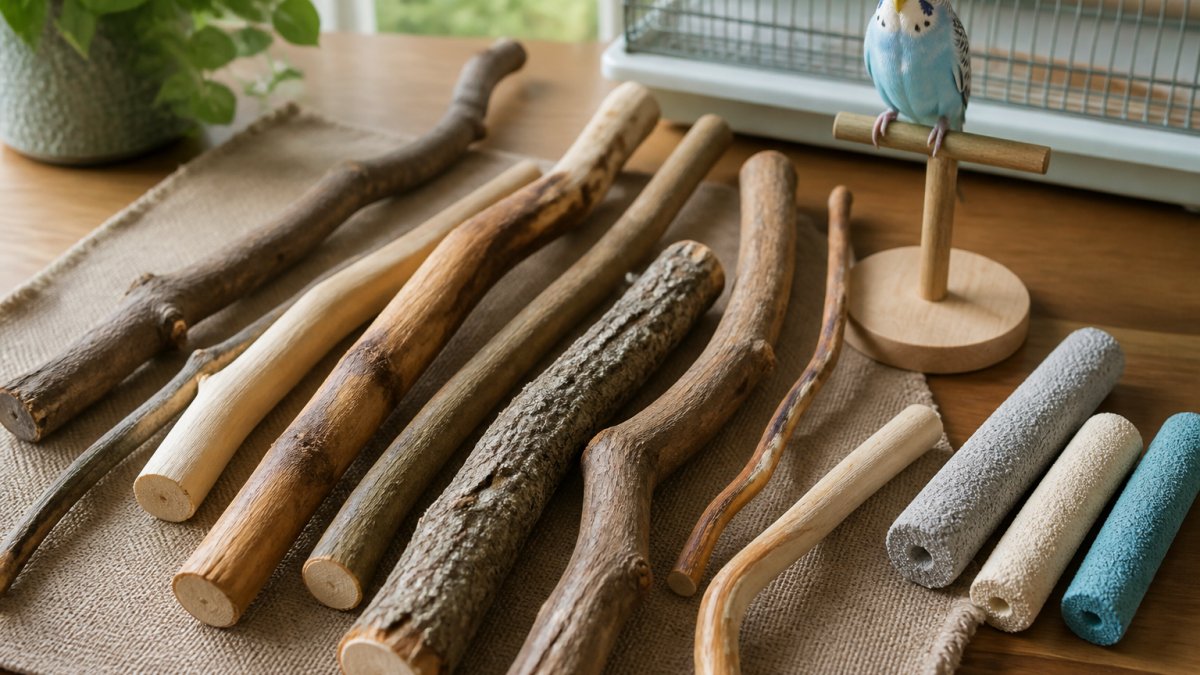
Table of Contents
- Why Perch Material Matters More for Senior Birds
- Best Wood for Bird Perches and Natural Materials
- Rope Perches for Birds: Safety and Comfort Considerations
- Platform and Flat Perches for Elderly Birds with Arthritis
- Setting Up a Senior Bird Cage Setup for Mobility and Comfort
- Warning Signs Your Elderly Bird's Perch Needs to Change
- Frequently Asked Questions
Last Updated: October 10, 2026
Why Perch Material Matters More for Senior Birds
As birds age, their grip weakens, balance becomes less reliable, and pressure sores develop more easily on rough surfaces. This is why the best perch materials for elderly birds differ dramatically from what works for younger flocks.
A perch perfect for a five-year-old parrot can cause pain in a fifteen-year-old. Senior birds need perches that reduce joint stress, provide secure footing without requiring maximum grip strength, and support their weight safely through the night.
Selecting the right perch material is one of the most overlooked decisions in senior bird wellness, yet it directly impacts foot health, sleep quality, and mobility throughout their final years.
Best Wood for Bird Perches and Natural Materials
Natural wood remains the gold standard for elderly birds because it offers grip security without the slipperiness of plastic or harshness of concrete. The best wood for bird perches combines texture with gentle give, it doesn't compress under weight like soft materials, but it also doesn't create pressure points.
Untreated hardwoods like apple wood, willow, and ash provide natural texture elderly birds grip instinctively. Grapevine perches are particularly valuable because their irregular shape naturally varies the diameter, preventing the repetitive pressure that causes arthritis pain.
Avoid treated wood, painted surfaces, and varnish or polyurethane coatings, they become slippery and harbor bacteria. The wood should feel slightly rough to your fingertip; if smooth, it's too slippery for a senior bird's compromised grip.
Replace natural wood perches every 6-8 weeks. Wood absorbs moisture and bacteria, and elderly birds are more susceptible to fungal and bacterial infections. Fresh perches aren't just a comfort upgrade; they're a health necessity.
Rope Perches for Birds: Safety and Comfort Considerations
Rope perches carry real risks for elderly birds with arthritis, reduced grip strength, or compromised immune systems.
Why Rope Is Problematic for Aging Birds
Senior birds often lack the grip strength to hold securely on rope. When feet slip, they compensate by gripping harder, accelerating joint pain. Rope collects moisture and debris, creating an ideal environment for mold and bacteria, a serious concern for birds with weakened immune systems.
Rope frays over time, and loose fibers can wrap around toes, causing circulation problems or tissue damage.
Material-Specific Risks: Rope vs. Wood vs. Platforms
Natural wood branches offer grip security without maximum muscular effort and are self-draining. Platforms eliminate gripping entirely, distributing weight across a flat surface, far more effective for birds with arthritis. Rope's moisture-retention problem is unique among common perch materials and makes it particularly hazardous for immune-compromised elderly birds.
When Rope Might Be Used Safely (If at All)
If you use rope perches, reserve them for daytime supervised activity only. Never use frayed or damaged rope. Inspect daily for wear, moisture, or mold, and replace every 2-3 weeks.
For most senior birds, rope is better replaced entirely with solid alternatives that provide security without requiring maximum grip effort or creating infection risk. If your elderly bird has used rope perches for years and shows no signs of foot problems, gradual transition to wood or platforms is still recommended. Do not wait for visible injury to make the switch; prevention is far easier than treating foot infections or arthritis complications in aging birds.
Recognizing Rope-Related Injury
Watch for these signs that rope perches are causing harm: reluctance to grip (bird avoids the rope perch and spends time on the floor), swelling or redness around the toes, visible fibers wrapped around toes or feet, or behavioral changes like excessive foot chewing or aggression when you touch the feet. Any of these signals means rope should be removed immediately and replaced with a safer alternative. If swelling, redness, or signs of infection persist after removing the rope, consult an avian veterinarian to rule out fungal or bacterial infection.
Platform and Flat Perches for Elderly Birds with Arthritis
Platform perches and flat surfaces are often the best choice for elderly birds with arthritis or severe mobility issues. Unlike rounded branches, platforms distribute weight across a larger surface area, reducing joint stress and pressure point pain. A flat perch allows a bird to rest without constantly engaging foot muscles to maintain grip, a critical advantage for birds experiencing stiffness, reduced balance, or chronic pain from degenerative joint disease.
Ideal Platform Dimensions and Materials
The optimal platform for a senior bird should measure 4-6 inches in length and 2-3 inches in width, sized large enough to accommodate the bird's full foot span without forcing the toes into a gripping position. For smaller species like cockatiels or lovebirds, aim for 3-4 inches; for larger parrots like macaws or African greys, 6-8 inches is more appropriate. The surface should be slightly textured, not smooth (which causes slipping) and not abrasive (which irritates fragile skin).
Thickness matters too. A platform 0.5-0.75 inches thick provides stability without being so thick that it becomes difficult for an arthritic bird to grip the edge. Platforms that are too thin flex under weight and feel unstable; those that are too thick force the bird into an awkward posture.
Platform Placement and Cage Layout
Position platforms at varying heights so your elderly bird can move between them without jumping from high distances. A bird struggling with arthritis benefits from gentle, accessible transitions between resting spots. The sleeping platform should be positioned 12-18 inches from the top of the cage, high enough to feel secure (birds instinctively roost elevated), but not so high that descending in the morning requires a painful jump or controlled fall.
Arrange platforms in a direct line or shallow triangle so your bird can move from one to another by stepping sideways or taking a single short hop, rather than requiring a long flight or a high jump. This layout is especially important for birds with reduced wing strength or balance issues. Leave at least 8-10 inches of clear space around each platform so your bird can land safely without striking cage bars or other perches.
Combining Platforms with Branches: A Hybrid Approach
Many senior birds benefit from a combination approach: a flat platform for sleeping and extended resting, plus one or two natural wood branches at accessible heights for gentle movement and mental enrichment during the day. The key is understanding when to use each. Use platforms as the primary sleeping perch and for birds that show reluctance to grip (swollen feet, arthritis pain, or reduced grip strength). Use branches for daytime activity and enrichment, but only if your bird demonstrates the mobility and grip strength to use them safely.
For birds transitioning from branches to platforms due to arthritis, introduce the platform gradually. Place it alongside the existing branch perch for 3-5 days, allowing your bird to explore it without pressure. Many elderly birds will naturally migrate to the platform once they discover it reduces pain. If your bird ignores the platform, try placing food or water near it to encourage exploration.
Warning Signs That Platforms Alone Are Not Enough
If your elderly bird still shows reluctance to perch, spends extended time on the cage floor, or displays signs of severe pain (vocalizing, trembling, or refusing to move), consult an avian veterinarian. Arthritis pain may require medication, or your bird may have an underlying condition (neuropathy, gout, or foot infection) that perch changes alone cannot address. Platforms are a critical support tool, but they are not a substitute for veterinary care when mobility or pain is severe.
Setting Up a Senior Bird Cage Setup for Mobility and Comfort
A proper senior bird cage setup prioritizes accessibility over entertainment. Your elderly bird's energy is limited, so every perch placement should support rest, recovery, and easy movement rather than climbing challenges.
Arrange perches in a staggered pattern at heights your bird can reach without strain. The sleeping perch should be slightly higher than daytime resting spots, this is instinctive for birds and helps them feel secure at night. However, avoid placing the sleeping perch so high that your bird must jump down with force in the morning, which can injure aging joints.
Create a clear path between food, water, and sleeping areas. Elderly birds with arthritis or vision changes need straightforward navigation. Remove obstacles and unnecessary perches that force your bird to navigate around clutter.
Temperature and lighting affect how comfortable your senior bird feels on their perches. Older birds are more sensitive to temperature fluctuations, so ensure perches are positioned away from drafts and direct heat sources. Consistent day-night lighting cycles support healthy sleep, which is when most joint recovery happens.
Warning Signs Your Elderly Bird's Perch Needs to Change
Watch for these specific signals that your senior bird's current perches are causing discomfort. If your bird spends unusual amounts of time on the cage floor instead of perches, their feet likely hurt too much to grip. Floor time is a red flag for pain, it's not normal resting behavior for most bird species.
Swollen feet, redness around the base of the toes, or visible sores on the bottom of the feet indicate pressure damage from unsuitable perches. These signs mean you need to switch to softer materials or platforms immediately. Pressure sores can become infected quickly in older birds.
If your elderly bird is chewing or plucking at their feet excessively, they're responding to discomfort or irritation. This behavior often develops when a perch material is too rough, too smooth, or contaminated with bacteria. Change the perch and monitor the behavior, it should decrease within a few days if the new perch is appropriate.
Listen for changes in sleep patterns. If your senior bird is shifting positions frequently throughout the night or vocalizing in distress, their sleeping perch may be causing pain. Elderly birds need solid, comfortable sleep to maintain immune function and manage chronic conditions like arthritis.
| Warning Sign | Likely Cause | Recommended Action |
|---|---|---|
| Spending time on cage floor | Perches cause foot pain | Switch to softer materials or platforms |
| Swollen or red feet | Pressure sores or infection | Use gentle platforms; consult avian vet |
| Excessive foot chewing | Discomfort or contamination | Replace perch; ensure cleanliness |
| Frequent position shifts at night | Sleeping perch discomfort | Evaluate height and material |
| Reluctance to grip | Weakening grip strength | Add platforms; reduce perch diameter |
Selecting the right perch materials for your elderly bird is one of the most direct ways to improve their quality of life in their senior years. Birds that have secure, comfortable perches rest better, move more confidently, and experience less chronic pain. When you choose the right materials and set up your cage thoughtfully, you're giving your senior companion the comfort and support they deserve.
Frequently Asked Questions
What type of wood is best for elderly bird perches?
Natural, untreated wood from safe species like apple, willow, and elm works best for senior birds. Avoid treated, painted, or varnished wood, which can release toxins. Natural wood provides varied textures that support natural grip and foot health. Diameter matters too, thicker branches (0.5 to 1 inch) reduce foot strain compared to thin perches. Replace wood perches regularly as they wear and splinter with age.
Are rope perches safe for elderly birds with arthritis?
Rope perches can work for senior birds but require careful selection. Cotton or sisal rope is safer than synthetic materials. The main risk is that elderly birds with weak grip strength may slip on rope, causing falls or injury. Soft rope perches are gentler on arthritic feet than hard surfaces, but they don't provide the stability and grip support that natural branches offer. Use rope perches alongside firmer options rather than as the only choice.
How should I set up perches for a senior bird with limited mobility?
Use a mix of perch types at varying heights within easy reach. Place flat platform perches near food and water bowls to reduce energy expenditure. Include thicker natural branches (0.75 to 1 inch diameter) for secure gripping. Space perches close enough so your bird doesn't need long flights to move between them. Avoid slippery surfaces like plastic or cement perches. Add extra resting spots near roosting areas and ensure at least one perch is positioned for comfortable sleeping without strain.
What perch diameter is best for an older bird's feet?
Older birds need thicker perches than younger birds. A diameter of 0.75 to 1 inch is ideal for most senior parrots, allowing them to grip comfortably without overextending their toes. Thinner perches (under 0.5 inch) force excessive gripping effort and cause foot fatigue and pressure sores. Vary perch diameters slightly to exercise different foot muscles and prevent repetitive strain. Check that your bird's toes wrap around the perch naturally without gaps or excessive overlap.

