

Cart
0
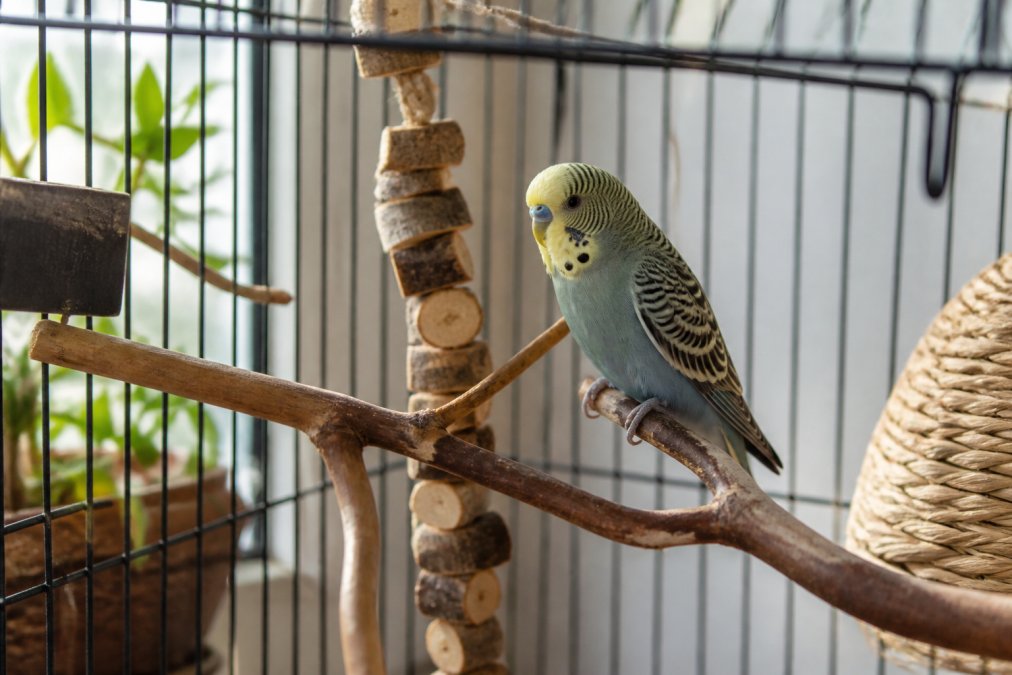
Table of Contents
- Why Plastic Bird Perches Cause Foot Problems
- The Best Wood for Bird Perches: Natural Hardwood vs. Softwood
- Rope, Sisal, and Hemp Perch Alternatives
- How Bird Foot Health and Perches Are Connected
- How to Clean Natural Bird Perches Safely
- DIY Perch Installation and Transition Tips
- Frequently Asked Questions
Last Updated: September 13, 2026
Why Plastic Bird Perches Cause Foot Problems
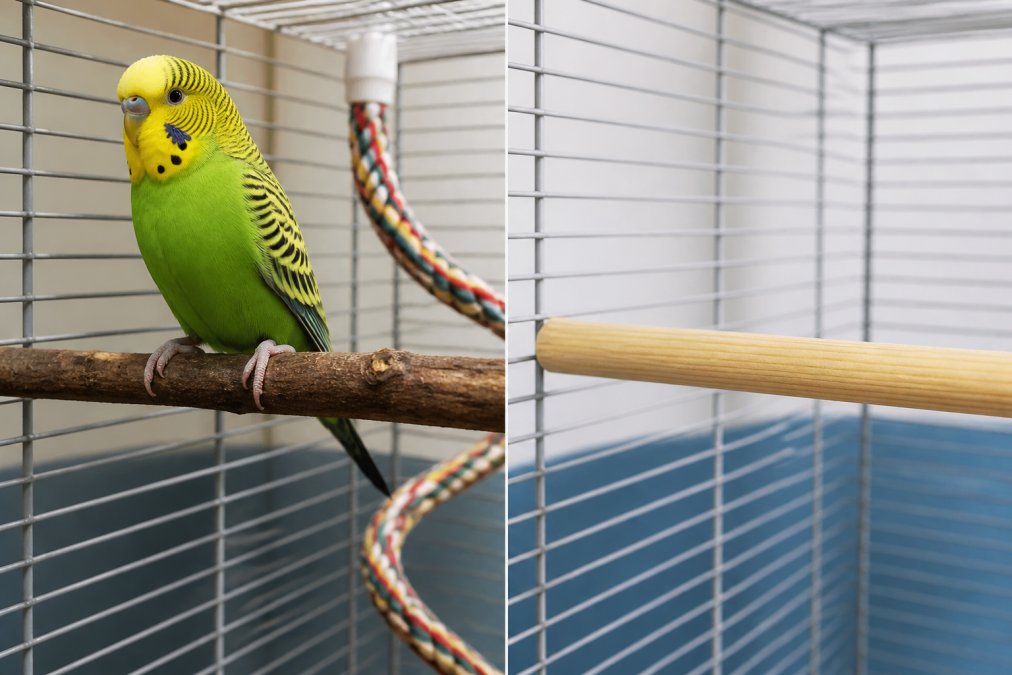
Plastic bird perches are a common default in starter cages, yet they create two problems that show up in parakeet feet within months: a surface with zero give, and a diameter that never changes. This guide covers alternatives that actually support foot health, from hardwood branches to rope wraps, plus cleaning routines and a transition plan.
The uniform surface is the core issue: a molded plastic dowel presses the same contact points into the same tissue every hour of every day. Avian veterinarians group this repetitive pressure under the term pododermatitis, one of the most preventable cage-related conditions in small parrots (merckvetmanual.com).
The Uniform Surface Problem
A plastic perch never flexes, so every landing, overnight sleep, and shift in weight loads the same spots on the foot. Natural wood and rope give slightly under pressure, spreading the load across the toes and the metatarsal pad instead of concentrating it on one point.
There's a second problem most owners miss: plastic is smooth. A parakeet's grip depends on friction and on the foot wrapping partway around the perch. On a slick, uniformly sized dowel, the toes can't close properly, so the bird grips harder to stay balanced, tiring micro-adjustment that's why parakeets shift their feet repeatedly on plastic but settle quickly on a branch.
Signs Your Parakeet's Feet Are Suffering
Watch for these early indicators, which tend to appear before visible damage:
- Repeated foot shifting or lifting one foot while resting
- Reluctance to step onto a particular perch
- Redness, swelling, or shiny skin on the underside of the foot
- Favoring one leg when moving around the cage
- Chewing at the feet or feathers around the legs
A common mistake is waiting for an open sore before acting. By the time a lesion is visible, the damage is established and recovery takes weeks of perch changes plus veterinary care.
Watch Out
Don't sand down a plastic perch to add grip. Sanding leaves rough edges that abrade the foot pad, and most plastic dowels are hollow, so the wall can crack and expose a sharp rim. Replace the perch instead.
The Best Wood for Bird Perches: Natural Hardwood vs. Softwood
The best wood for bird perches is untreated natural hardwood, because it resists chewing damage and holds its shape under a bird's weight. Softwood wears down quickly, splinters under a determined beak, and often carries irritating resins.
Hardwoods worth using include apple, pear, maple, and birch, dense enough that a parakeet can't shred them into sharp fragments, and they hold texture for grip. Skip pine and cedar: pine dents and splinters, and cedar's aromatic oils are a known respiratory irritant for small birds.
Safe Woods vs. Toxic Woods
Not every branch from the yard belongs in a cage. Fruit woods and maple are safe once cleaned; several common ornamentals are not.
| Wood Type | Safe for Parakeets? | Notes |
|---|---|---|
| Apple, pear | Yes | Dense, holds texture, bird-safe |
| Maple, birch | Yes | Good hardness, widely available |
| Willow, vine | Yes | Soft enough to shred, good for foraging |
| Pine | Caution | Splinters easily; kiln-dried only |
| Cedar | No | Aromatic oils irritate airways |
| Cherry, apricot | No | Pit and bark carry cyanogenic compounds |
| Oleander, yew | No | Highly toxic |
Two rules matter more than the species list: the wood must be untreated (no stain, varnish, or pesticide), and never collect branches from roadsides or herbicide-treated areas.
Pro Tip
Bake scavenged hardwood branches at a low oven temperature for about an hour to kill insects and eggs, then let them cool completely before mounting. Skip this step and you can introduce mites straight into the cage.
Rope, Sisal, and Hemp Perch Alternatives
Rope perches solve a problem wood can't: they're soft and reshapable. A cotton rope perch bends into a curve, so you can vary height and angle without new hardware, while sisal and hemp offer a rougher surface that helps wear nails naturally. But the label tells you almost nothing about safety, because the risk usually isn't the fiber, it's what was done to it before it reached your cage.
What's Actually in a Rope Perch
Three things to check before a rope, sisal, or hemp perch goes in the cage:
- Dyes. Colored rope is often dyed with fiber-reactive or acid dyes; food-safe vegetable dyes exist, but most mass-market perches don't disclose which was used. A parakeet chewing frayed fibers also ingests the dye. Undyed natural cotton, sisal, or hemp removes the question entirely.
- Treatments and finishes. "Rope" can mean raw twisted cotton or a synthetic blend treated for mildew resistance or UV stability. Avoid mildew treatments and stain-resistant finishes on a surface a bird's feet and beak contact constantly. If the packaging doesn't say untreated, assume it isn't.
- Adhesives and end fittings. The glue holding a sisal wrap to its core and the end cap are the two spots birds pick at most. Choose perches with bird-safe adhesive or glue-free mechanical wrapping, and stainless or nickel-plated hardware rather than zinc-coated fittings a beak can flake.
Cotton vs. Sisal vs. Hemp: Real Trade-offs
| Material | Grip | Durability vs. chewing | Best use |
|---|---|---|---|
| Untreated cotton rope | Soft, low abrasion | Low, frays quickly | Sleeping and resting perch |
| Sisal | High, abrasive | High | Nail wear, active perching |
| Hemp | Medium-high | High | All-purpose, holds shape |
| Jute | Medium | Medium | Short-lived; sheds fibers |
Untreated cotton is safe if your bird doesn't ingest it, but a bored parakeet will pick at frayed ends. Loose threads can wrap around a toe or get swallowed, a single strand can cut off circulation before you notice. Check rope perches weekly and trim or replace them at the first sign of unraveling.
Sisal and hemp resist chewing better and provide more grip, but a rough sisal wrap can be abrasive on already-irritated feet, so pair it with smoother options. Hemp sits in the middle, rougher than cotton, less abrasive than sisal, and it holds a bend better than either.
A Quick Field Test
Before mounting any rope perch, run a damp white cloth along the surface: if color transfers, the dye isn't fixed and will end up on your bird's feet and in its mouth. A strong chemical or perfumed smell signals an unwanted treatment. Finally, tug the end cap and wrap, if either moves, a parakeet will find the loose edge within a day.
Merck Veterinary Manual on pododermatitis in birds
Pro Tip
When in doubt, buy undyed. Natural, uncolored cotton, sisal, and hemp perches cost the same as dyed versions and eliminate the dye question entirely, you can always add color through cage-safe toys instead.
How Bird Foot Health and Perches Are Connected
Bird foot health and perches are linked through three variables: diameter, texture, and position. Get all three right and most foot problems never develop. Get them wrong and even a well-fed, well-exercised parakeet will show pressure damage.
Diameter Variety and Grip
A single-diameter perch is the most common setup mistake. Real branches taper and branch, so a bird's foot never rests in the same position twice. Offer several diameters, from roughly the width where a parakeet's toes wrap about two-thirds of the way around, up to a thicker branch for sleeping.
Texture works alongside diameter: smooth surfaces force a tighter grip, textured ones let the toes relax. Rotating between smooth wood, bark-covered branch, and rope changes the load pattern through the day.
Preventing Bumblefoot in Parakeets
Preventing bumblefoot in parakeets comes down to removing constant pressure and keeping feet clean. Bumblefoot, or pododermatitis, starts as a red, flattened area on the foot pad and progresses to swelling and infection if the pressure source stays in place.
- Replace plastic dowels with natural branch perches of varying diameter
- Offer at least one soft rope perch for resting and sleeping
- Keep perches clean; droppings and food residue soften the skin
- Check feet weekly during handling, especially the underside
- See an avian veterinarian at the first sign of a persistent red patch
Obesity and inactivity make bumblefoot more likely, since extra weight increases pressure on the foot pad. Encourage climbing and foraging, and a shredding toy set gives a parakeet something to work at instead of sitting on one perch all day.

How to Clean Natural Bird Perches Safely
Knowing how to clean natural bird perches safely is mostly about avoiding residue. Wood is porous, so anything you soak into it stays there and ends up under your bird's feet.
The routine that works:
- Remove droppings and food debris daily with a damp cloth.
- Scrub textured perches weekly with a bird-safe cleaner and a stiff brush.
- Rinse thoroughly and let the perch air-dry completely before returning it.
- Replace wood perches when they're soiled through, cracked, or chewed thin.
- Wash rope perches by hand, then dry fully to prevent mold.
Skip bleach and heavy disinfectants on porous wood. If you use a diluted cleaner, rinse until no residue remains, because a parakeet's feet contact the surface constantly.
DIY Perch Installation and Transition Tips
Swapping perches all at once stresses a parakeet, so transition gradually: keep one familiar perch, add one new perch, and give your bird a few days to use it before changing anything else. Most guides skip the week-by-week protocol that accounts for how parakeets actually respond to new cage objects.
Why Parakeets Resist New Perches
Parakeets are neophobic, treating unfamiliar objects as potential threats until proven otherwise. A new perch appearing overnight in a spot the bird already uses can trigger avoidance, alarm calls, or refusal to roost on that side of the cage. The fix isn't forcing contact, it's letting the bird observe from a safe distance before it's asked to stand on it.
A Five-Step Transition Protocol
Step 1, Quarantine the perch (1 day). Clean and dry the new perch completely, then leave it on a table near the cage, not inside it. Your parakeet can see and hear it without being asked to interact.
Step 2, Introduce at the cage edge (2-3 days). Mount the new perch on the outside of the cage bars, or on the door, at a height your bird already uses. It's visible, it's touchable through the bars, and it doesn't disrupt any existing routine.
Step 3, Swap the least-used perch first (3-4 days). Remove the perch your bird uses least, usually a plastic dowel near the food dish, and mount the new one in its place. Leave the sleeping perch and the favorite resting perch untouched. One change at a time is the whole point.
Step 4, Add, don't replace (1 week). Once the bird is using the new perch, add a second new perch of a different material or diameter. Don't remove anything else yet. The goal is to build a varied setup before you pull the last plastic dowel.
Step 5, Retire the plastic (after 2 weeks). By now the bird uses at least two alternatives voluntarily. Remove the remaining plastic dowel and replace it with a third material, typically a rope perch for sleeping. If the bird shows stress (pacing, feather-picking, refusing to roost), back up one step for a few more days.
Installation Basics
- Mount perches at different heights, with the highest perch reserved for sleeping
- Keep perches away from food and water dishes so droppings don't land in them
- Space perches so your parakeet can hop between them without a long stretch
- Use stainless mounting hardware; zinc and rusted fittings are a chewing hazard
- Place at least one perch near a shreddable toy so your bird can work while perched
- Vary the angle, not just the height, a slightly sloped perch loads the foot differently than a level one
Signs the Transition Is Working
You're on track when your parakeet steps onto the new perch without hesitation, settles rather than shifting its feet, and chooses it over the old plastic dowel. You've moved too fast if the bird avoids one side of the cage, vocalizes more than usual, or refuses to sleep on its normal perch.
A natural vine branch swing ring makes an easy first swap. It's textured, it curves, and it moves, which gives the feet a different load and gives your parakeet something to do.

Association of Avian Veterinarians client resources
For owners who want a head start, Pawsibly Everything carries natural wood and rope perch options alongside shredding toys. Pairing a new perch with a foraging toy also eases the transition, because your bird focuses on the toy rather than the cage change.
Key Takeaway
Transition on the bird's schedule, not yours. A two-week rollout with one change at a time prevents the stress that makes owners give up and put the plastic dowel back.
Frequently Asked Questions
Why are plastic perches bad for parakeets?
Plastic perches have a uniform, hard surface that puts constant pressure on the same spots on your parakeet's feet. This can lead to pododermatitis, also called bumblefoot, which causes painful sores and swelling. Plastic also offers poor grip, so birds may slip and develop an unnatural stance. Switching to natural wood, rope, or sisal bird perches with varied diameters distributes weight more evenly and supports healthier foot tissue.
What are the best natural wood perches for budgies?
Apple, willow, birch, and manzanita branches work well because they are non-toxic and have natural texture. Avoid cedar, which contains aromatic oils that irritate a parakeet's respiratory system, and any wood treated with pesticides or paint. A natural vine branch swing like the one from Pawsibly Everything gives your budgie a textured, shreddable surface that also encourages balance and play. Always scrub new branches with hot water and let them dry fully before placing them in the cage.
How do I clean natural wood perches safely?
Remove droppings and debris weekly with a stiff brush and warm water. For deeper cleaning, scrub with a diluted white vinegar solution (one part vinegar to three parts water), then rinse thoroughly and let the perch air-dry completely before returning it to the cage. Avoid bleach unless you rinse and dry the perch for at least 24 hours. Replace wood perches when they become heavily soiled, splintered, or chewed down, usually every three to six months depending on your bird's chewing habits.
How many different types of perches should a parakeet have?
Offer at least three to four perches of different materials and diameters in every cage. A mix of natural hardwood, rope, and sisal gives your parakeet variety underfoot, which helps prevent pressure sores and keeps foot muscles engaged. Place the thickest perch near food and water stations where your bird rests longest, and rotate thinner perches for active climbing. Rotating perch positions every few weeks also provides mental stimulation and mimics the changing branches a wild parakeet would encounter.

