

Cart
0
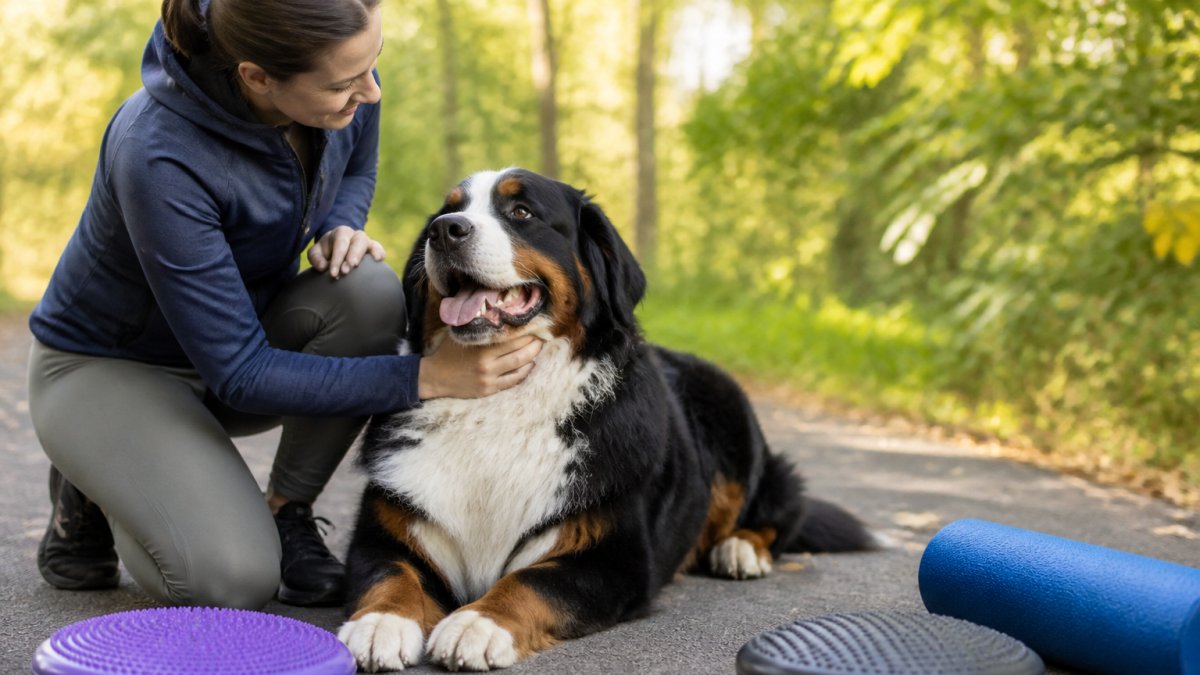
Table of Contents
- Why Large Dog Breeds Face Higher Joint Pain Risk
- Early Signs of Joint Pain and Mobility Changes to Watch For
- Large-Breed Puppy Joint Health: Protecting Growth Plates From Day One
- Healthy Weight for Dogs and Joint Health: The Single Biggest Lever
- Low-Impact Exercise for Dogs: Building Muscle Without Stressing Joints
- Orthopedic Dog Beds for Joint Support and Practical Home Changes
- Supplements, Nutrition, and When to Call Your Vet
- Conclusion
- Frequently Asked Questions
Last Updated: October 17, 2026
Why Large Dog Breeds Face Higher Joint Pain Risk
Preventing joint pain in large dog breeds starts with understanding one fact: big dogs carry more weight on the same joints. That extra load wears down cartilage faster, and it explains why so many large dogs slow down early.
At Pawsibly Everything, we hear from owners of Labs, Shepherds, and Danes who notice stiffness long before they expect it. The risks stack up in predictable ways:
- Hip dysplasia and elbow dysplasia, where the joint doesn't form quite right
- Cruciate ligament injury, a common knee tear in heavy dogs
- Osteoarthritis, the wear-and-tear form of joint pain
- Rapid growing puppies that add weight before joints are ready
The American Kennel Club's canine health resources notes that large and giant breeds face higher rates of these conditions. Genetics play a part. So does body weight, exercise, and nutrition. None of that means joint problems are guaranteed. It means the choices you make now carry more weight, literally.
Early Signs of Joint Pain and Mobility Changes to Watch For
The earliest sign of joint pain in dogs is usually subtle: a slower rise after a nap, or a slight reluctance on stairs. Dogs hide discomfort well, so watch for changes in routine rather than dramatic limping.
Here's what to track:
- Stiffness after rest that eases once your dog moves around
- Limping or favoring one leg, even briefly
- Reluctance to jump, climb stairs, or get in the car
- Slower walks and lagging behind on familiar routes
- Licking at a joint or shifting weight off a leg
A common mistake is waiting for a full limp. By the time a large dog is visibly lame, the problem is often advanced. Start a simple log now: note activity tolerance and any stiffness you see. That record helps your vet spot patterns early.
Watch Out
Dismissing occasional stiffness as "just aging" lets treatable problems worsen. Early intervention with a vet gives you far more options than waiting for a limp.
Large-Breed Puppy Joint Health: Protecting Growth Plates From Day One
Large-breed puppy joint health comes down to one rule: grow slowly. Puppies have soft growth plates at the ends of their bones, and pushing rapid weight gain on those plates raises the risk of dysplasia and joint damage.
Feeding Large-Breed Puppy Food at the Right Pace
Large-breed puppy food exists for a reason. It balances calcium, phosphorus, and calories so a big puppy grows steadily rather than fast. Follow the feeding guide on the bag and your vet's advice, and resist free-feeding.
- Choose a food labeled for large-breed puppies
- Measure portions instead of eyeballing them
- Keep your puppy lean, not roly-poly
- Avoid extra calcium and supplements unless your vet recommends them
That last point matters. Adding calcium to a balanced puppy food can actually harm bone development. Let the food do its job.
Healthy Weight for Dogs and Joint Health: The Single Biggest Lever
If you do one thing for your dog's joints, control its weight. Healthy weight for dogs and joint health are directly linked: every extra pound adds joint pressure and speeds joint damage.
Large dogs gain weight easily and hide it under thick coats. Learn to check body condition by feeling the ribs. You should feel them under a thin layer, not press hard to find them. From above, your dog should have a waist.
Here's how to keep weight in check:
- Weigh your dog at the vet regularly and track the number
- Cut treats and account for them in daily calories
- Swap some kibble for green beans or carrot for low-calorie rewards
- Increase gentle activity before cutting food too hard
Even modest weight loss takes real load off sore joints. It's the most reliable, lowest-cost step you can take.
Low-Impact Exercise for Dogs: Building Muscle Without Stressing Joints
Low-impact exercise for dogs builds the muscle strength that supports joints without pounding them. Strong muscles take pressure off the joint itself, which slows joint damage and protects range of motion.
The mistake many owners make is all-or-nothing activity: a quiet week followed by a huge weekend hike. That spike is exactly what strains joints. Steady, controlled activity beats intense bursts.
Good low-impact options include:
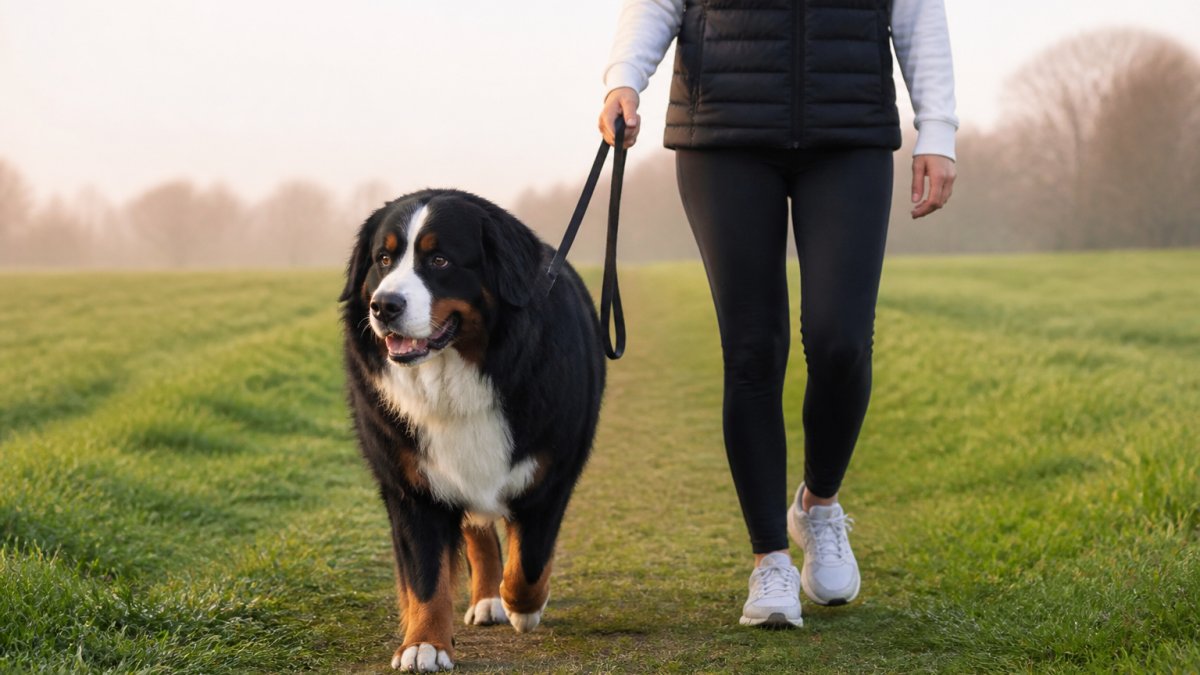
- Leash walks on flat, soft ground
- Swimming, which is easy on joints
- Slow, controlled games instead of frantic fetch
- Short, frequent sessions rather than one long one
Avoid hard ground, sharp turns, and jumping on and off furniture. Watch for over-exercising: if your dog is stiff the next day, you did too much.
An Age-Adjusted Activity Plan
Match activity to age and activity tolerance:
| Life Stage | Daily Activity | Watch For |
|---|---|---|
| Puppy | Short walks, free play on soft ground | Over-exercising during growth |
| Adult | 30-60 minutes, split into sessions | Weekend spikes, hard ground |
| Senior | Gentle walks, swimming, sniffing time | Stiffness, slower recovery |
Adjust as you go. A dog that's sore after a walk needs less, not more.
Orthopedic Dog Beds for Joint Support and Practical Home Changes
Orthopedic dog beds for joint support give a big dog a soft, supportive place to rest, which eases pressure on sore joints. But the home changes around the bed matter just as much, and this is where large dogs differ from small ones: a 90-pound dog generates far more force on slippery floors and stairs than a 15-pound dog ever will.
Large dogs struggle most with slippery floors, stairs, and jumping on and off furniture. Small fixes make a real difference, and most cost less than a single vet visit:
- Add rugs or runners over hard floors for grip, especially at the top and bottom of stairs and in front of food bowls
- Use ramps for cars and couches instead of jumping, and teach your dog to use them before stiffness starts
- Put an orthopedic bed in a warm, draft-free spot, and add a second bed on the main floor so your dog doesn't have to climb stairs to rest
- Raise food and water bowls to reduce neck and joint strain, particularly for tall breeds like Danes and Shepherds
- Block stair access with a baby gate when your dog is recovering from a flare-up, and use a sling or harness to help with car loading
- Trim nails regularly; long nails change how a big dog stands and shift load onto the joints
A supportive bed helps your dog rest without pressing sore joints into a hard floor. Our orthopedic beds use plush, supportive materials built for big dogs, so heavier companions get real comfort through the night.
Matching the Home to Your Dog's Breed and Size
Home modifications should match the dog in front of you. A Great Dane needs a bed long enough to stretch out fully and a ramp rated for its weight; a Labrador retriever may need traction on hardwood stairs more than a ramp. Giant breeds also struggle more with temperature regulation on hard floors, so a bed with a washable, insulating cover helps. Walk through your home once a season and look for the spots where your dog hesitates, slips, or avoids, because those are the places to fix first.
Place a rug at the bottom of stairs and beside your dog's bed. The two spots where big dogs slip most are the ones owners forget.
Ramps and stairs are not interchangeable. A dog that is already stiff may refuse a steep ramp, so introduce it slowly with treats and never force a sore dog to climb.
Supplements, Nutrition, and When to Call Your Vet
Joint supplements for dogs often contain glucosamine, chondroitin, collagen, and omega-3 fatty acids. Some owners report improvement, but the evidence is mixed, and supplements are not a cure for arthritis. A balanced diet does more than any pill: look for quality protein, the right minerals, and omega-3s from fish or a vet-approved source.
What the Evidence Actually Shows
Most practitioners find that glucosamine and chondroitin are safe for most dogs but modest in effect, and results vary by dog. Omega-3 fatty acids from fish oil have the most consistent support for managing inflammation, though dosing matters and too much can cause digestive upset. Collagen and green-lipped mussel are popular but less studied. Because supplements are regulated as food, not drugs, product quality varies widely: look for a third-party testing seal or a brand that publishes its analysis, and check the label for the actual amount of active ingredient rather than the total pill weight.
Talk to your vet before starting anything, especially if your dog takes anti-inflammatory medication or pain relief. Some supplements interact with drugs, and a vet can help you set a realistic dose for your dog's weight.
When to Call Your Vet
Call your vet if you notice:
- Persistent lameness or limping that lasts more than a day or two
- Stiffness that doesn't ease with rest, or that gets worse after activity
- Reluctance to move, a drop in quality of life, or changes in appetite and sleep
- Any sudden swelling, yelping, or inability to bear weight, which warrants a same-day call
Early intervention and a proper veterinary assessment open up more treatment options. A vet will typically watch your dog move, feel the joints, and may recommend imaging or a trial of pain relief to confirm what's going on. The FDA's guidance on pet medications and safety is a useful starting point for understanding what's regulated and what isn't.
Weight control, steady low-impact exercise, and a balanced diet do more for joint health than any single supplement. Build those habits first, and treat supplements as a possible add-on your vet helps you choose.
Conclusion
Protecting a big dog's joints is a daily habit, not a one-time fix. The challenge is consistency: steady weight, sensible exercise, and a home set up to reduce strain.
That's where we can help. Pawsibly Everything offers comfortable beds, plus durable toys and grooming essentials to keep your companion comfortable. Browse our bedding and comfort supplies, and give your big dog the supportive rest its joints deserve.
Frequently Asked Questions
How can I help prevent joint problems in a large-breed puppy?
Start with large-breed puppy food that supports steady, moderate growth rather than rapid weight gain, since excess growth stresses developing joints. Keep your puppy lean using body condition scoring, avoid repetitive high-impact activity like long stair runs or jumping, and limit forced exercise until growth plates close. Ask your vet about breed-specific risk factors such as hip dysplasia. Early habits around weight, nutrition, and controlled activity do more for large-breed puppy joint health than any single product.
Can keeping a dog at a healthy weight reduce joint stress?
Yes. Extra pounds add load to every step, and for large dog breeds that load compounds quickly. A healthy weight for dogs and joint health go hand in hand: keep ribs easy to feel under a light fat layer, and check body condition monthly. Cut treats, measure meals, and increase gentle activity rather than crash dieting. If your dog needs to lose weight, ask your vet for a target weight and a feeding plan before changing portions.
When should I take my dog to the vet for possible joint pain?
Book a veterinary assessment if you notice limping, stiffness after rest, reluctance to climb stairs or jump into the car, or a slowdown on walks that lasts more than a few days. Large-breed dogs hide discomfort well, so changes in activity tolerance matter. Early intervention gives your vet the chance to check for hip or elbow dysplasia, cruciate ligament injury, or osteoarthritis and to start pain relief or anti-inflammatory medication if needed.
Do orthopedic dog beds for joint support actually help?
A supportive bed cushions pressure points and makes it easier for a stiff dog to rise, which matters for large breeds carrying more weight. Look for dense foam that does not flatten, a low entry edge, and a washable cover. Pair the bed with practical home changes: rugs over slippery floors, ramps for the car, and raised bowls. Beds ease comfort, but they work best alongside weight management and low-impact exercise for dogs.

