

Cart
0

Table of Contents
- What Defines a Power Chewer and Why Durability Matters
- Material Durability: Rubber vs. Nylon vs. Rope for Heavy-Duty Toys
- How to Stop a Dog From Destroying Toys: Prevention Strategies
- Mentally Stimulating Toys for Power Chewers: Beyond Basic Chewing
- Top Durable Toys for Power Chewers: Product Recommendations
- Safety Considerations for Heavy Chewers: What to Watch For
- Signs of Toy Wear and Tear: When to Replace
- Supervised Play and Interactive Engagement for Power Chewers
Last Updated: August 8, 2026
What Defines a Power Chewer and Why Durability Matters
A power chewer is a dog with an intense, persistent drive to chew, often driven by strong jaw muscles, high energy levels, or anxiety. These dogs systematically destroy toys, shredding rubber, splintering nylon, and obliterating anything not engineered to withstand aggressive chewing. If your dog demolishes a standard toy within hours, you're dealing with a power chewer.
A destroyed toy becomes a choking hazard. Pieces of rubber, nylon fragments, and stuffing can lodge in the digestive tract, requiring emergency surgery. Power chewers need outlets for their natural behavior; without appropriate toys, that energy redirects toward your furniture, baseboards, and shoes. The right durable toy prevents injury and channels destructive behavior constructively.
Certain breeds are prone to aggressive chewing, pit bulls, German shepherds, Rottweilers, and Labradors, due to jaw strength and high energy. But individual temperament matters more than breed. An anxious rescue dog or bored young dog can chew with equal intensity.
Durability testing matters because "durable" is marketing speak. A toy labeled tough might survive one session and shred the next.
Material Durability: Rubber vs. Nylon vs. Rope for Heavy-Duty Toys
Not all materials perform equally under aggressive chewing. Understanding the strengths and limitations of each material is essential for selecting a toy that will actually last.
Natural Rubber: The Gold Standard
Natural rubber is the top choice for power chewers because it combines durability with safety. Unlike synthetic rubber or plastic, natural rubber degrades safely if ingested and won't cause intestinal blockages. The best natural rubber toys use reinforced compounds that resist punctures and tears while remaining flexible enough not to damage teeth.
Natural rubber toys cost $15 to $40, compared to $5 to $15 for basic nylon options. But they last months or years with power chewers, while cheaper alternatives last days. The per-use cost actually favors natural rubber. These toys also handle temperature variation well, won't crack in winter, and float in water for dogs who enjoy water play.
Ballistic Nylon: Long-Lasting Durability
Ballistic nylon, the same material used in military gear and luggage, offers serious durability at a lower price point than premium natural rubber. Toys made from ballistic nylon resist tearing and puncturing better than standard nylon, making them solid for power chewers without the strongest jaws.
The limitation: nylon is harder on teeth than rubber. Dogs with sensitive teeth or previous dental work may do better with softer options. Nylon splinters can be ingested, though this is less dangerous than plastic fragments. Nylon toys work well for dogs who chew intensely but don't have the jaw strength to systematically destroy everything.
Rope Toys: When to Avoid Them
Rope toys are popular and inexpensive, but for power chewers, they're a poor choice. The fibers unravel easily, and dogs can ingest long strands that cause intestinal blockages. Rope toys work for supervised tug-of-war with gentle chewers, but power chewers should avoid them entirely.
If your dog has destroyed rope toys, monitor for signs of blockage: vomiting, lethargy, loss of appetite, or constipation. These require immediate veterinary attention.
How to Stop a Dog From Destroying Toys: Prevention Strategies
Even the most durable toy won't last if your dog's underlying drive to destroy isn't addressed. Prevention strategies focus on redirecting chewing behavior and reducing triggers.
Provide appropriate outlets first. A power chewer needs multiple durable toys rotated regularly. Boredom is often the culprit. Rotate toys every few days to maintain novelty. This strategy alone reduces destruction rates significantly.
Address anxiety. Destructive chewing is often a symptom of separation anxiety or general anxiety. Treat-dispensing toys like the Dog Treat Dispenser Ball Toy can occupy anxious dogs for extended periods, redirecting nervous energy into problem-solving rather than destruction.

Supervise initially. When introducing a new toy, watch how your dog interacts with it. If your dog shreds a toy within minutes, that toy isn't durable enough for your dog's chewing intensity.
Avoid toys with small parts. Squeakers, plastic eyes, and attached pieces are choking hazards. Solid toys without removable components are safer for power chewers.
Establish a "safe chew" zone. Confine your dog to an area where toy destruction is acceptable during unsupervised time. A crate or pen prevents furniture destruction while allowing appropriate chewing behavior.
Mentally Stimulating Toys for Power Chewers: Beyond Basic Chewing
Power chewers often have high intelligence and energy. A toy that only allows passive chewing will bore them quickly. Mentally stimulating toys combine physical chewing with problem-solving, keeping dogs engaged longer and reducing destructive behavior.
Treat-dispensing toys are the gold standard for mental stimulation. The Dog Treat Dispenser Ball Toy requires dogs to manipulate the toy to access treats, engaging both mouth and mind. Dogs work at these toys for extended periods, especially if you freeze treats inside for added difficulty.
The key principle: a mentally engaged dog is less likely to engage in destructive behavior. Combine a durable toy that also dispenses treats, and you've addressed both durability and enrichment needs.
Top Durable Toys for Power Chewers: Product Recommendations
The following toys have proven track records with power chewers.
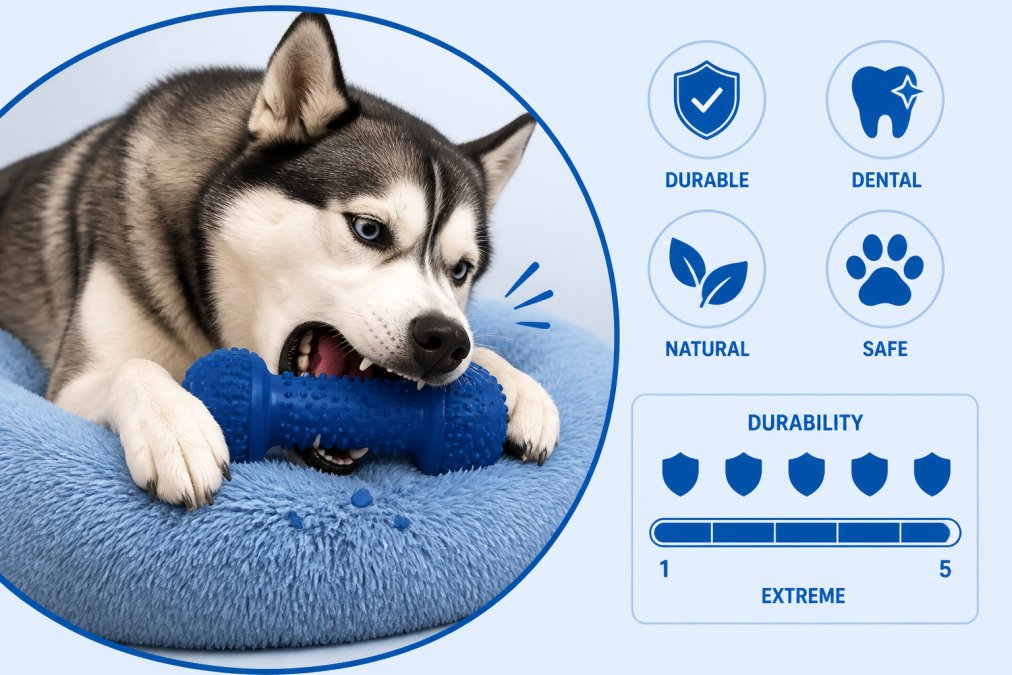
Natural Rubber Options: Vocal Rugby Pet Toys
The Vocal Rugby Pet Toys from Pawsibly Everything are made from strong, durable rubber specifically designed for aggressive chewing. At $15.62, these offer excellent value for power chewers. The molar sound design provides auditory feedback that keeps dogs engaged, and the natural rubber construction means it's safe if pieces are accidentally ingested.
These toys work best for dogs who enjoy interactive play and respond to sound. The rugby shape makes them easy to grip, and the rubber compound resists tearing under sustained chewing.
The limitation: these toys don't dispense treats, so they're less effective for dogs motivated primarily by food rewards.
Treat-Dispensing Durability: Dog Treat Dispenser Ball Toy
The Dog Treat Dispenser Ball Toy from Pawsibly Everything at $21.89 combines durability with mental enrichment. The rubber construction is tough enough for power chewers, and the treat-dispensing mechanism keeps dogs engaged longer than passive chew toys.
This toy works by dispensing treats as the dog manipulates it. You fill the center chamber with kibble, treats, or peanut butter, and the dog works to extract them. The unpredictability of treat release extends engagement time significantly.
The design is dishwasher-safe for easy cleaning. For anxious dogs or those prone to boredom-related destruction, this toy often becomes a daily staple.
Dental-Focused Chewing: Spiked Dog Chew Toy Stick
The Spiked Dog Chew Toy Stick from Pawsibly Everything at $18.22 serves dual purposes: it provides a durable chewing surface and promotes dental health through its textured design. The spikes help clean teeth and reduce plaque buildup while the stick shape makes it easy for dogs to grip.
This toy works well for dogs who prefer elongated toys over balls or rings. The dental benefits make it particularly valuable for older dogs or those prone to tartar accumulation. The rubber construction is durable enough for sustained chewing.
Safety Considerations for Heavy Chewers: What to Watch For
Durability doesn't eliminate all risks. Even the best toys require responsible use and monitoring.
Choking hazards remain real. Even indestructible toys can have small parts added later or worn-away pieces. Inspect toys regularly for damage and remove any toy showing signs of deterioration.
Supervise play during introduction. Watch how your dog interacts with new toys. If a toy shows damage within the first session, it's not durable enough for your dog.
Monitor for signs of intestinal blockage. If your dog ingests toy material, watch for vomiting, lethargy, loss of appetite, constipation, or abdominal pain. These warrant immediate veterinary attention.
Avoid toys with toxic materials. Stick with reputable brands that use non-toxic, food-grade materials. Pawsibly Everything's toys are made from safe materials appropriate for aggressive chewing.
Don't leave toys unattended indefinitely. Even durable toys wear down over time. Regular inspection prevents accidents.
Consider your dog's individual risk profile. Some dogs swallow toy pieces; others spit them out. Know your dog's behavior and adjust toy selection accordingly.
Signs of Toy Wear and Tear: When to Replace
Knowing when to replace a toy is as important as choosing a durable one. A worn toy becomes a safety hazard.
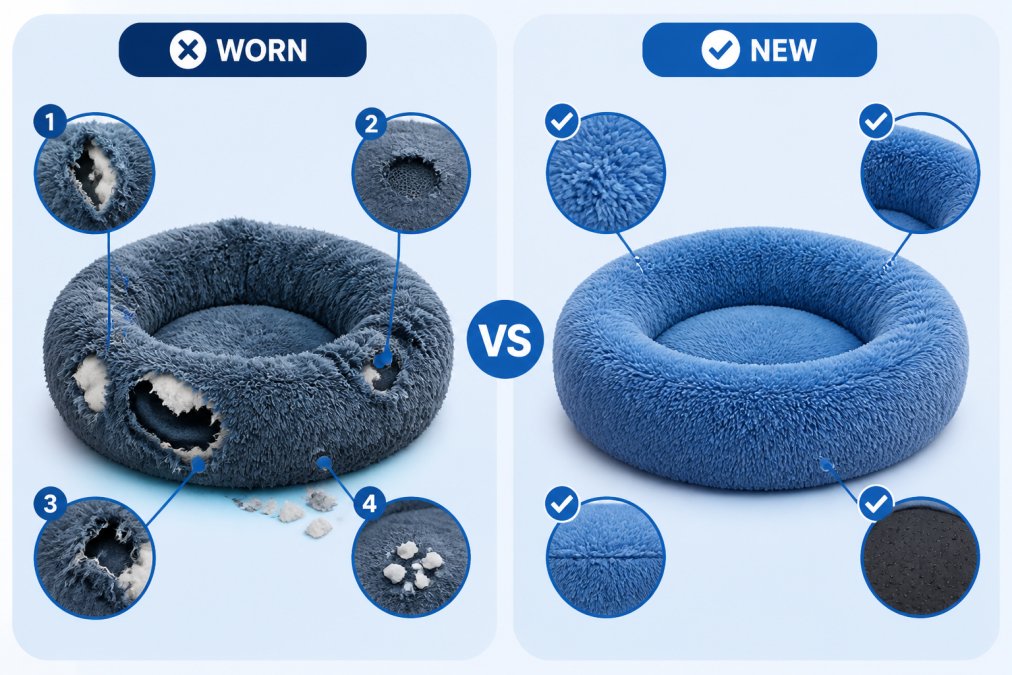
Visible tears or punctures. If the toy's surface shows tears, punctures, or separation of layers, it's time to replace it. These openings allow your dog to access interior materials, which become choking hazards.
Flaking or peeling material. When rubber or nylon begins to flake off, your dog will ingest those pieces. Flaking indicates the material is breaking down and the toy is no longer safe.
Squeakers or parts coming loose. If squeakers, plastic caps, or other components are no longer securely attached, remove them or discard the toy.
Visible cracks that go deep into the toy. Deep cracks that penetrate the toy's structure indicate structural failure. The toy will likely break apart under continued chewing.
Loss of shape or structural integrity. If the toy no longer holds its original shape or feels mushy, it's degrading.
Discoloration or odor changes. Sudden color changes or foul odors may indicate mold growth or material breakdown. Discard these toys.
The toy has been in use for longer than its expected lifespan. Quality natural rubber toys typically last 3-6 months with power chewers. Nylon toys last 1-3 months. Once you've hit the upper end of that range, replace the toy even if it looks okay.
Supervised Play and Interactive Engagement for Power Chewers
The most durable toy is only effective if your dog actually uses it. Interactive engagement determines whether a toy becomes a favorite or gets ignored.
Rotate toys to maintain novelty. Rotate toys every 2-3 days. What was boring yesterday becomes exciting again when you reintroduce it.
Play with your dog. Toys designed for interactive play are most engaging when you participate. Tugging with your dog reinforces the toy as a fun object and burns energy that might otherwise go toward destructive behavior.
Use toys as rewards. If your dog views a toy as a high-value reward, they'll engage with it more. Bring out special toys only after training sessions or good behavior.
Freeze treats inside treat-dispensing toys. A frozen treat inside a Dog Treat Dispenser Ball Toy extends engagement time dramatically by increasing difficulty.
Supervise play sessions initially. Watch how your dog interacts with new toys. Showing them how treats come out often kickstarts their interest.
Match toys to play style. Some dogs prefer solo chewing; others love interactive tug games. Observe your dog's natural play style and choose toys that align with it.
The goal isn't just durability, it's creating a toy your power chewer actually wants to use. A toy that sits ignored, no matter how durable, doesn't prevent destructive behavior. The combination of durability and engagement is what actually works.
Destructive chewing is frustrating, expensive, and dangerous. But the right toy, one that's genuinely durable, mentally engaging, and matched to your dog's chewing intensity, transforms the situation. At Pawsibly Everything, we understand that power chewers need more than cute toys; they need engineered solutions. The Vocal Rugby Pet Toys, Dog Treat Dispenser Ball Toy, and Spiked Dog Chew Toy Stick are built for exactly this purpose. Start with a durable natural rubber toy, monitor wear closely, and rotate in mentally stimulating options to keep your power chewer engaged. Your furniture, and your dog's safety, will thank you.

Frequently Asked Questions
Are there truly indestructible toys for aggressive chewers?
No toy is completely indestructible, but some come close. Toys made from carbon-reinforced natural rubber or proprietary compounds like VULCRON™ withstand extreme chewing for years. Brands like GoughNuts and Monster K9 offer lifetime replacement guarantees, meaning if your power chewer destroys them, you get a free replacement. The key is choosing toys engineered specifically for aggressive chewing and supervising play sessions.
What safe materials should I look for in heavy-duty dog toys?
Natural rubber, ballistic nylon, and food-grade TPR are the safest materials for power chewers. Avoid toys with loose stuffing, plastic squeakers, or thin stitching that can be ingested. Look for non-toxic, BPA-free materials that are third-party tested. The Vocal Rugby Pet Toys and Dog Bite Resistant Rubber Grinding Toys from Pawsibly Everything use safe rubber compounds that resist tearing while protecting your dog's digestive health.
How do I choose the right size toy for a power chewer?
Select toys larger than your dog's mouth to prevent choking hazards. For small dogs under 9 kg, choose smaller puzzle bones; for medium to large dogs, opt for full-sized rings or sticks. The toy should be difficult to swallow whole but comfortable for your dog to grip. Always supervise initial play to ensure the size is appropriate for your dog's jaw strength and bite intensity.
What mentally stimulating toys work best for power chewers?
Treat-dispensing toys combine chewing with mental enrichment. The Dog Treat Dispenser Ball Toy ($21.89) and Dog Treat Dispenser Ball Launcher ($34.23) from Pawsibly Everything keep power chewers engaged by rewarding their chewing effort with treats. Puzzle toys that require problem-solving extend playtime and reduce boredom-related destructive behavior. Rotate toys weekly to maintain novelty and engagement.
When should I replace a durable dog toy?
Replace toys when you see visible damage like cracks, punctures, missing chunks, or exposed interior materials. Check weekly for wear and tear, especially with power chewers who can degrade even durable toys over months. If red safety indicators appear (like on GoughNuts toys), replacement is overdue. A toy that once lasted a year may need replacing every 3-6 months with an aggressive chewer.
This article was written using GrandRanker

